The COVID-19 pandemic has revealed structural weaknesses in health systems worldwide and  negatively impacted individuals, societies, and economies. In the pandemic’s wake, political leaders and everyday people alike recognize the importance of resilient health systems that can prevent, prepare for, respond to, and learn from infectious outbreaks and other shocks while continuing to deliver quality essential health services. But urgent questions remain. Which features of a health system are most important for achieving resilience? How can countries—especially poor ones—build resilient health systems? Which investments should countries prioritize to make their systems resilient to future challenges?
Thursday, November 3rd- 8-9AM EDT
EVENT REGISTRATION
This new World Bank report, “Change Cannot Wait: Building Resilient Health Systems in the Shadow of COVID-19,” builds on previous work, leverages new research, and considers countries’ frontline experiences during the pandemic. It presents a new framework for making health systems resilient, shows how countries can build them, and where countries and partners can target investments to improve health outcomes.


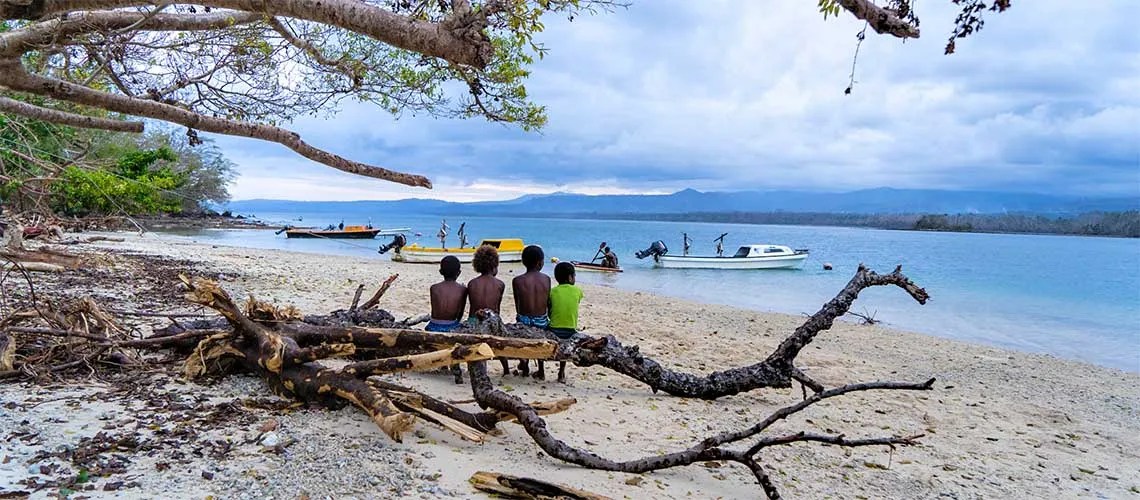 impacts and growing pandemic risks to deepening conflicts and the
 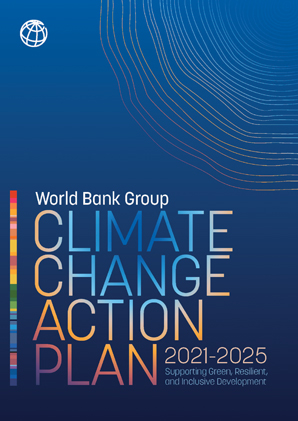 the WBG’s Green, Resilient, and Inclusive Development (GRID) approach, which pursues poverty eradication and shared prosperity with a sustainability lens. In the Action Plan, we will support countries and private sector clients to maximize the impact of climate finance, aiming for measurable improvements in adaptation and resilience and measurable reductions in GHG emissions. The Action Plan also considers the vital importance of natural capital, biodiversity, and ecosystems services and will increase support for nature-based solutions, given their importance for both mitigation and adaptation. As part of our effort to drive climate action, the WBG has a long-standing record of participating in key partnerships and high-level forums aimed at enhancing global efforts to address climate change. The new Action Plan represents a shift from efforts to “green” projects, to greening entire economies, and from focusing on inputs, to focusing on impacts. It focuses on (i) integrating climate and development; (ii) identifying and prioritizing action on the largest mitigation and adaptation opportunities; and (iii) using those to drive our climate finance and leverage private capital in ways that deliver the most results. That means helping the largest emitters flatten the emissions curve and accelerate the downward trend and ramping up financing on adaptation to help countries and private sector clients prepare for and adapt to climate change while pursuing broader development objectives through the GRID approach.
 Netherlands for the World Bank
You must be logged in to post a comment.