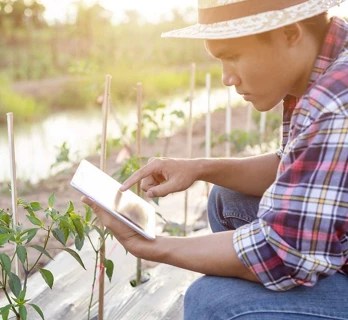
The global agriculture and food system can do more than just feed a growing population—it holds immense potential as a driver of growth and job creation. However, to unlock this potential for the long term, the agrifood system needs to prioritize nutrition, climate resilience, and halting environmental degradation.
This flagship event at the World Bank Annual Meetings 2024 will explore how governments and businesses can lead this transformation.
Have questions? Don’t wait—submit them below. Our experts will be responding live on October 23rd!


persistent gender disparity in the labor market.
exciting positions that the World Bank is looking to fill by June this year.
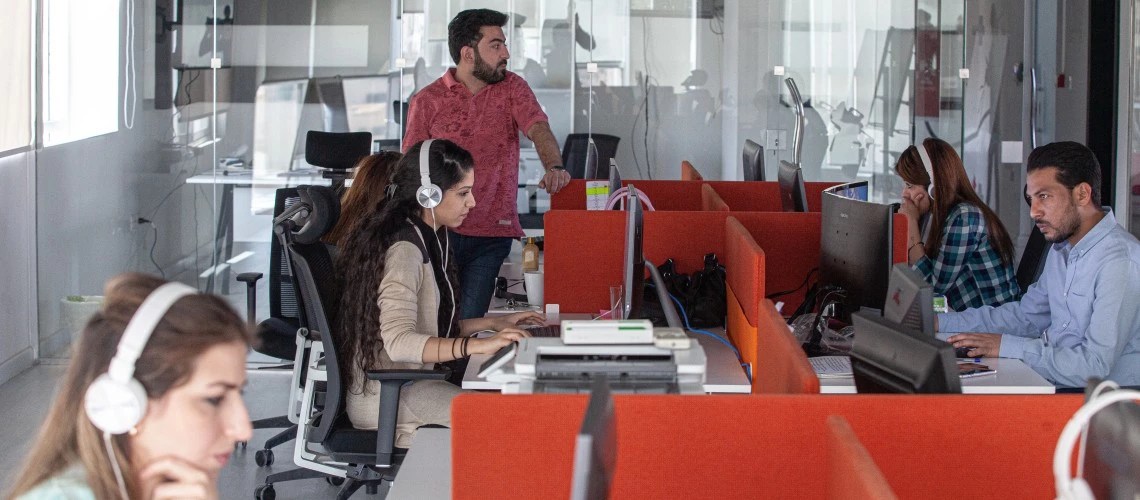
In recent months across the Middle East and North Africa (MENA) region, youth have been taking to the streets in ever larger numbers to demand improvements in governance, transparency, service delivery, the environment, and job opportunities.
faster and with fewer errors than humans. I wanted to test this on analyzing labor market demand and skills gaps. So, earlier this year, I partnered with
the future of work. Will robots replace humans in the work place? Will digital technologies create a new “digital divide” and widen inequalities between the higher-educated connected and lower-educated unconnected people? Will new opportunities open up for African countries to create jobs, improve incomes, reduce poverty and climb up the development ladder?
leaders and laggards. Through institutional reform that leverages the advantages of digitalization, the Mashreq can become a vital hub in international data networks. Furthermore, digital transformation can assuage pressing challenges. It can deliver higher transparency, accelerate lackluster productivity and increase economic opportunities for all, especially the youth of this region. A new report,
You must be logged in to post a comment.