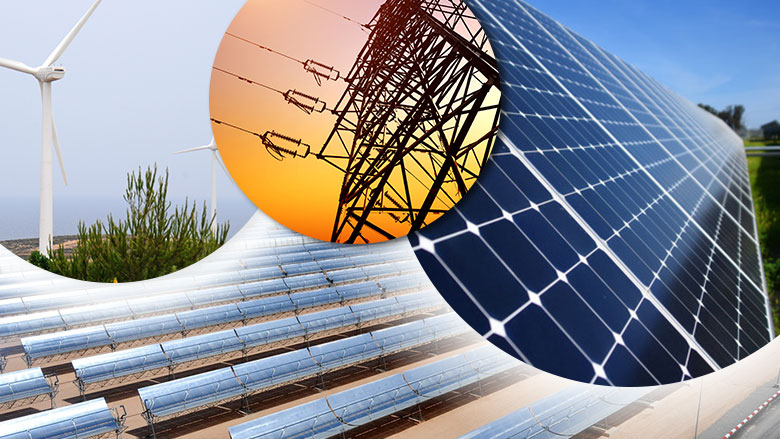
Private capital for infrastructure: Resilience amid uncertainty, urgency amid gaps

As the global economy continues to adapt to macroeconomic shifts, infrastructure investment remains a critical driver of job creation, long-term development opportunities and resilience. While recent interest rate hikes and inflationary pressures have reshaped return expectations and complicated financing conditions, infrastructure has stood firm as a preferred asset class. With relatively stable revenues and strong government support, infrastructure investment continues to offer investors lower risk, more predictable returns, and stronger performance than other private investment opportunities.

The World Bank’s Infrastructure Monitor 2024 presents new data and insights on how global trends are shaping private investment in infrastructure. It shows that while investment has continued to grow, especially in primary markets (i.e. greenfield and brownfield infrastructure as well as privatizations), disparities between regions and income levels are deepening. It also underscores that to close the investment gap, we must scale what works: targeted public support, sound regulation, and innovative financing instruments such as blended finance and guarantees.

Continue reading
Joint World Bank, UN Report Assesses Damage to Gaza’s Infrastructure

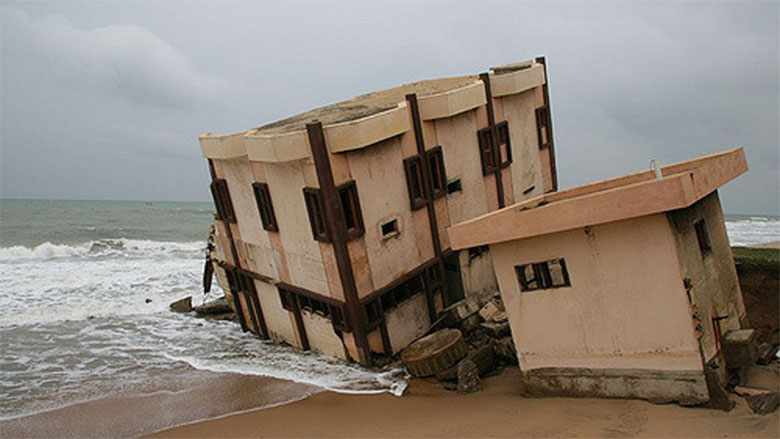
Damages to Physical Structures Estimated at $18.5 billion as of end January

WASHINGTON, April 2, 2024 – The cost of damage to critical infrastructure in Gaza is estimated at around $18.5 billion according to a new report released today by the World Bank and the United Nations, with financial support of the European Union. That is equivalent to 97% of the combined GDP of the West Bank and Gaza in 2022.

Continue reading

Want More Investment in African Infrastructure? Think Better Quality Institutions

An Article on How Institutional Reform Can Attract More Private Investment in Infrastructure.

A greater focus on regulatory quality and institutional reforms would bring much-needed extra private sector investment in Sub-Saharan Africa’s infrastructure, a new IFC study finds. Improvements in areas like strengthening the rule of law and lowering corruption levels would boost private investment by up to 0.8 percent of GDP over four years—or $20 billion. The benefits would reverberate across sectors including energy, environment, municipal services, telecommunications, information technology, transportation, and water

Continue reading

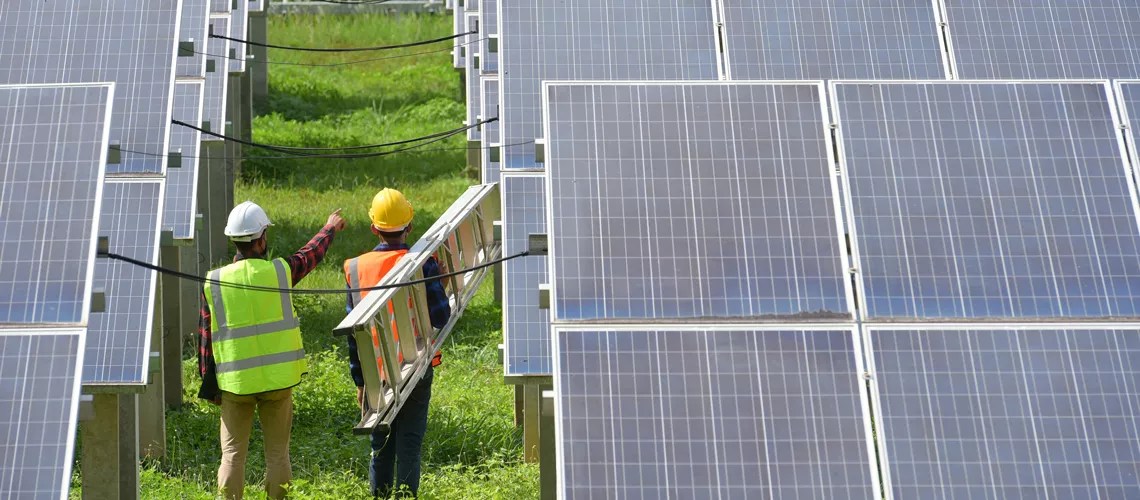
Private Investment in Infrastructure: Where are we now?

A quick scan of the headlines tells you everything that those of us working in internationalinfra_hero.jpg development already know: today’s world is not business as usual. In just a few short years, the global landscape has transformed in a way that very few of us could ever have anticipated.
Continue reading

The Future of Government: What does it mean for infrastructure finance?

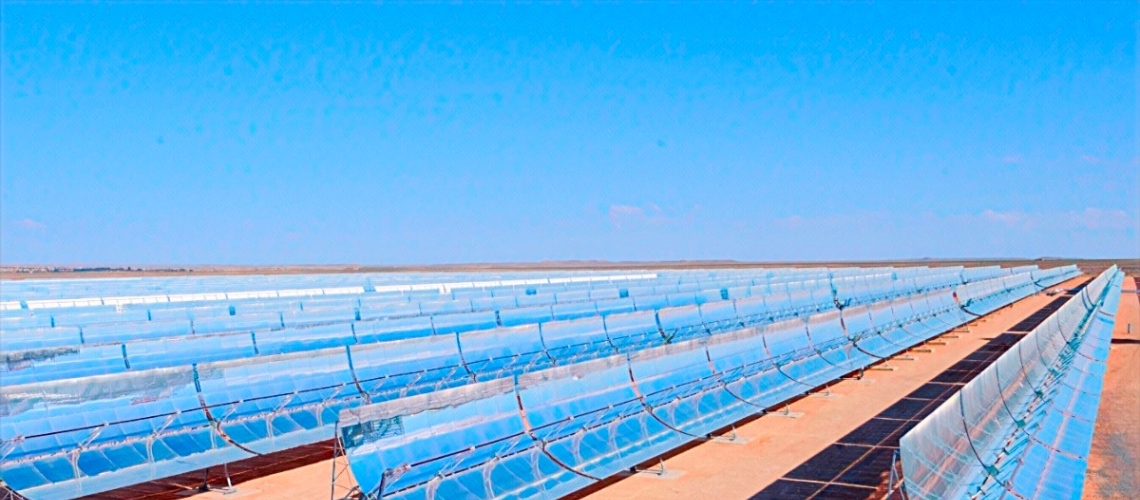
Recognizing that governments across the globe find themselves at an important inflectionsolar_porwe_wb point—with overlapping crises such as the COVID-19 pandemic, the war in Ukraine and other conflicts, sharp economic slowdown, and the effects of climate change that will touch us all—the World Bank recently launched a report on The Future of Government.

Continue reading

Empowering local people to engineer their own futures: a new infrastructure planning approach

Climate change is challenging our status quo as the frequency of extreme weather events 1140x500-ninos-corriendokeeps increasing. Water scarcity could cost some regions up to 6% of GDP and floods could force hundreds of millions of people from their homes by 2050. At the same time, we’re facing a $15 trillion infrastructure finance gap.

Continue reading

A green reboot for cities: Strategies for post-COVID growth

Around the world, cities have paid a high price for the COVID-19 pandemic.  Thousands of municipalities are facing increased pressures to provide essential services while simultaneously coping with dramatic revenue declines. The situation is particularly severe in emerging markets where resources are sparse. 

Continue reading

eC2: Smart Grid Infrastructure in Developing Economies: Emerging Experience and Guidance

Deadline:  23-Dec-2020 at 11:59:59 PM (Eastern Time – Washington D.C.)

World Bank Group's Business Opportunities Fair: Climate-Smart En

The World Bank is launching a competitive procurement process to select consultant services for a new assessment and guidance on smart grid infrastructure. The objective of this activity is three-fold: (i) to take stock of the status of existing smart grid infrastructure in the developing world, (ii) to assess the experience of a sample of WBG client countries with smart grid infrastructure deployment and implementation and identify barriers and emerging lessons, (iii) to develop detailed guidance and recommendations on how the World Bank Group may assist clients in the deployment of smart grid infrastructure (both transmission and distribution) to enhance core outcomes and emerging challenges (e.g., improve overall efficiency and quality of service, integrated variable renewable energy and distributed generation).

Continue reading

eC2:  Saint Vincent and the Grenadines -Improving Urban Resilience of Coastal Cities in the Caribbean through Resilient Infrastructure and Urban Planning

Deadline:   21-Oct-2020 at 11:59:59 PM (Eastern Time – Washington D.C.) blog-in-benin-can-resilient-investment-solutions-save-a-battered-coast-780x439

The objective is to provide professional expertise to develop a comprehensive urban resilience plan for the select coastal cities in Saint Vincent & the Grenadines, which aims to,
1.Study approaches for improving urban infrastructure planning to achieve resilience goals in coastal cities for the sustainable concurrence of the urban space with natural environment;
2.Help urban practitioners better understand the integration of green with existing grey infrastructure and contextually inform cities planning strategies; and
3.Forge an urban vision to identify infrastructure need and investment opportunities for the cities in the selected coastal areas.
Scope of Work: As part of the EU-GFDRR/WB Regional Resilience Program for LAC, the project will focus on carrying out diagnostic work related to urban resilience in selected coastal cities in Saint Vincent and the Grenadines. The main obj. is to develop an integrated vision for building resilience and sustainability into infrastructure.

Continue reading

How Can We Increase Women’s Participation in Infrastructure Projects?

On construction sites, it is more common to see men working than women. With the aim Clara1of improving the gender balance in construction, the World Bank is implementing gender strategies in urban transport projects in Colombia. These have  led to the increased participation of women in infrastructure projects.

Gender discrimination not only has a negative impact on women’s income; it also impedes companies and society from making use of the special skills that women contribute to the economy. The implementation of a gender equality strategy in the Bucaramanga Integrated Mass Transport System– Metrolínea – revealed the advantages of including women in this type of project and provided lessons that could be shared with other systems, sectors and projects.

Continue reading