
Financial inclusion 2.0. – creating more inclusive, resilient, and green futures
In recent years, the world has faced many unprecedented shocks and stresses that have exacerbated existing development challenges—all of which have disproportionate impacts on the most vulnerable, especially women and girls. People living in poverty constantly juggle an evolving set of risks and crises in their daily lives. However, the additional challenges posed by the COVID-19 pandemic, inflation, climate change, conflicts, and other shocks have intensified poverty and inequality. The World Bank now projects that 7% of the world’s population—more than half a billion people—will remain in extreme poverty in 2030 (Figure 1). The World Economic Forum predicts that the timeline to close the global gender gap1 has increased by a full generation (from 99.5 years to 135.6 years).

 Finance Corporation and Mastercard Foundation Partnership for Financial Inclusion outlining Sub-Saharan Africa’s successes and challenges in building digital financial inclusion. The notes—all of which are available for download at
  as digital transaction accounts and payment services, which serve as the gateway to financial inclusion. Providers are now diversifying their products offerings to newer DFS, such as credit, insurance, and savings. A recent World Bank Group report examines DFS products geared toward longer-term savings.
  song in Kosovo. Its equivalent in Bosnia and Herzegovina says “I am from Bosnia, take me to America” and in Albania the most famous morning show goes by the motto “Love your country, like Albania loves America”. In these countries, migration and remittances are synonyms of economic prosperity in the homeland. More than 40 percent of the population of these countries lives and works abroad for decades, and regularly sends money to their families back home. Remittance inflows in 2018 are estimated to range from $1.3 to $2.3 billion in these countries, exceeding foreign direct investment and accounting for 10 to 16 percent of the GDP.
 save, borrow, make payments, and manage risk. Launched with funding from the Bill & Melinda Gates Foundation, the database has been published every three years since 2011. The data are collected in partnership with Gallup, Inc., through nationally representative surveys of more than 150,000 adults in over 140 economies. The 2017 edition includes updated indicators on access to and use of formal and informal financial services. And it adds new data on the use of financial technology (fintech), including the use of mobile phones and the internet to conduct financial transactions.
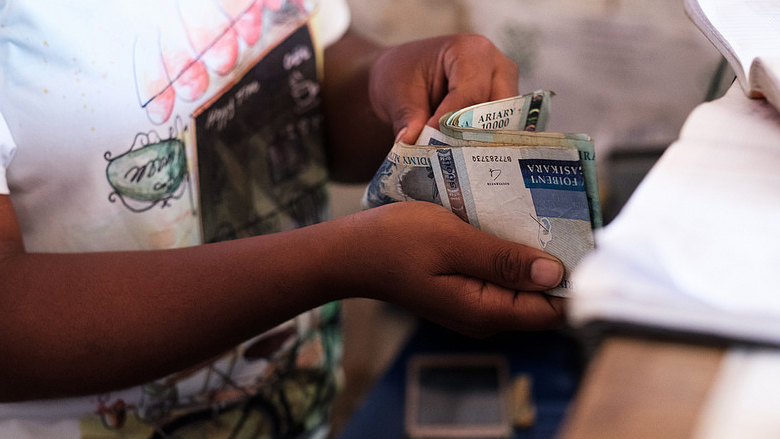 This has been a demanding challenge. At the start of our engagement on financial access back in 2013, we said that having a real target with an end date would keep us focused and give us a benchmark against which we could measure progress.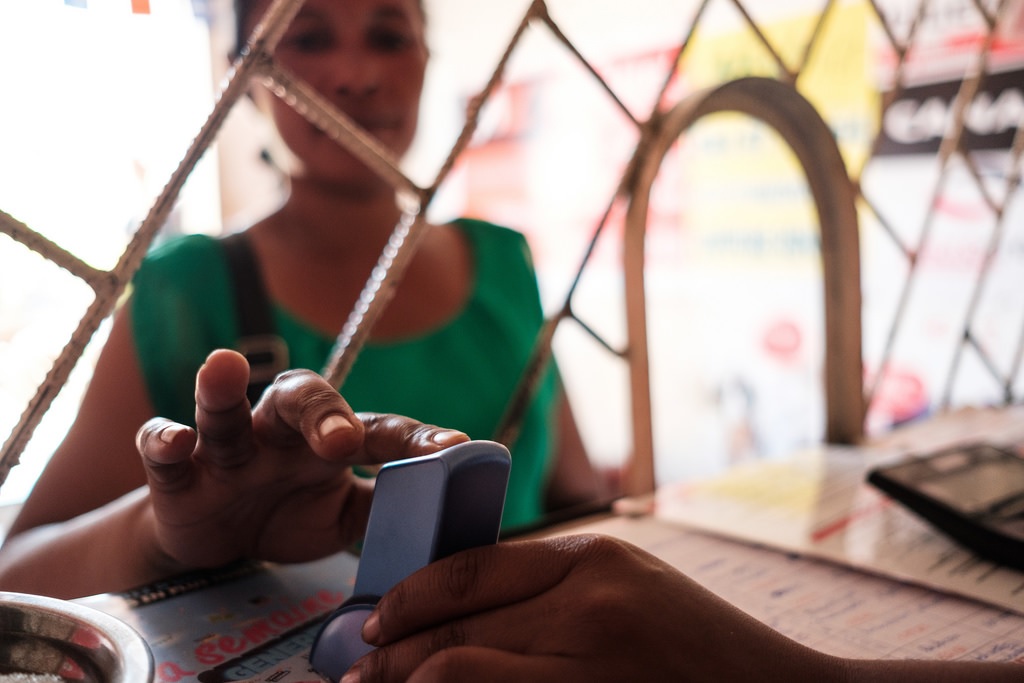
 by
by 

 operator (MNO) in Cameroon to expand their existing customer segment to new clients and markets. IFC is supporting the MNOs plans to implement an expansion and financial inclusion strategy with research to identify opportunities in the market that will help the MNO develop the best products to service its customer base. IFC is looking for a market research firm (Consultants) for this research assignment on mobile money and access to finance in Cameroon. Consultants will be hired to conduct desk research, data collection and analysis on customer needs and preferences for financial services and the extent to which these needs may be met through mobile money. The market research will also involve a competitor analysis, agent profiling, customer segmentation, and product assessment. The goal is to identify and quantify the potential customer base in the Cameroonian market.
 Netherlands for the World Bank
You must be logged in to post a comment.