
Climate change is an urgent human crisis. Since 2022, 400 million students worldwide have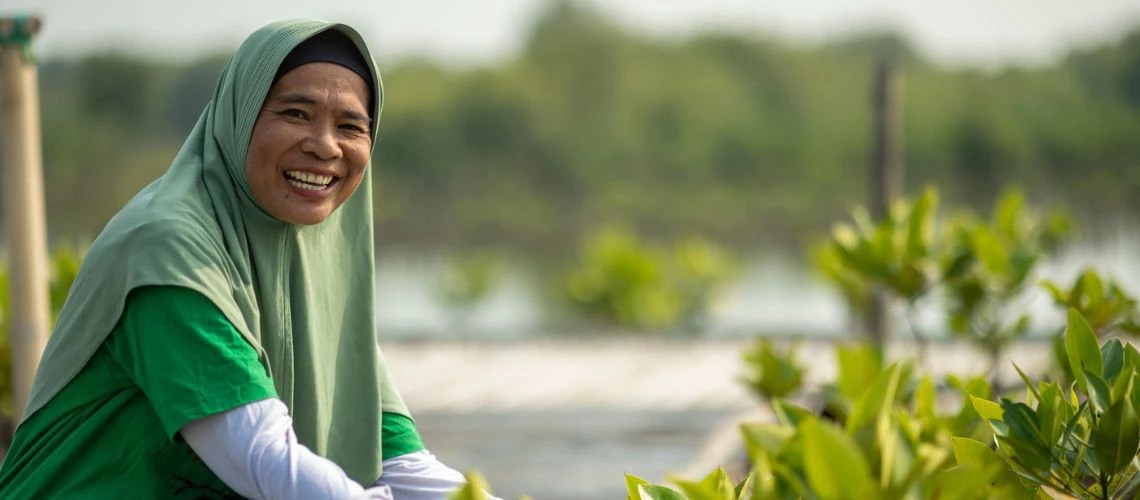 faced school closures due to extreme weather, with low-income countries losing an average of 18 school days each year. By 2050, the health costs of climate inaction may well surpass $21 trillion in low- and middle-income countries.
Tackling a silent killer: why antimicrobial resistance matters
Antimicrobials, natural or manufactured substances that can resist and prevent the growth of microbes such as bacteria, viruses, fungi and parasites, are essential for the health and welfare of both animals and humans.
USAID: Business Forecast and Partner Update – FY 2025 First Quarter
On Wednesday, December 11 at 9:00 a.m. ET, we will host our FY 2025 First Quarter Business Forecast and Partner Update webinar.
You can click here to register.
Submitting Business Forecast Questions
Introduction: Advisor to Executive Director Nadia van Huisstede
About 3 months ago (September 2024) I started my position at the Dutch executive  director’s office at the World Bank. Coming from the NL Ministry of Finance, my previous job was coordinating the team responsible for World Bank, IMF and G20 matters where my focus was on the World Bank and sovereign debt. Great to be at the Bank now and to remain engaged – albeit in a different role – in the leading multilateral development bank.
In previous roles at the Ministry of Finance I focused on the European Investment Bank and on the NL budget. My expertise is in financial issues (capital increases, domestic resource mobilization, illicit financial flows, financial instruments). No surprises there when looking at my background.
At the Bank I will continue to cover those issues and IDA, climate including biodiversity & nature and procurement.
WACA: Nature Based Solutions Study Tour
From 18 to 22 November, the Nature-Based Solutions (NBS) study tour took place in the  Netherlands. West African countries that are part of the WACA program (West African Coastal Areas Management Program) of the World Bank, visited various Dutch Nature Based water management Solutions. The delegation consisted of 22 participants including Worldbank staff, government officials and environmental experts responsible for water management (coastal erosion), from eight West African countries: Benin, Guinea-Bissau, Senegal, Togo, Ghana, Sao Tome & Principe, Gambia and Mauritania.
Update: WBG Procurement
The World Bank group recently appointed a new Chief Procurement Officer, Hiba Tahboub.  Hiba Tahboub is the Chief Procurement Officer (CPO) of the Operations Policy and Country Services (OPCS) Vice-Presidency of the World Bank since September 2024. In this role, Hiba is strengthening the implementation of the Procurement Framework while supporting further innovation and alignment across Multilateral Development Banks (MDBs.) She champions simplification and efficiency in procurement processes while enhancing value-adding approaches and provides strategic oversight of operational procurement work across all regions, in support of the Bank’s corporate priorities. Since Ms. Tahboub just started and we haven’t provided a written procurement ( only webinar ) update we would like to share with you the following updates on operational and corporate procurement.
Recap: IMF & WBG Annual Meetings 2024
From October 22 to 26 the World Bank Group (WBG) and International Monetary Fund (IMF) Annual Meetings took place in Washington D.C.:
This year the Minister for Foreign Trade and Development Aid (BHO), Reinette Klever, could not attend and was represented by Finance Minister, Eelco Heinen. Beyond that numerous other Dutch Government and Banking Officials (including from Aruba and Curacao) were present.
Haiti’s food crisis needs long-term solutions
Imagine being hungry but feeling too scared to go outside your home to buy food. And even if you venture to the store, you might find empty shelves because farmers and food suppliers dare not stock them.
This is the daily horror many Haitians face as armed gangs rampage in cities and the countryside. Five million Haitians, or nearly half the population, are going hungry and thousands are imperiled by famine.
New Hope: Ethiopia’s Bold Move Grants Refugees the Right to Work
In a bustling marketplace on the outskirts of Addis Ababa, Lula Maygag Guray’s food stall hums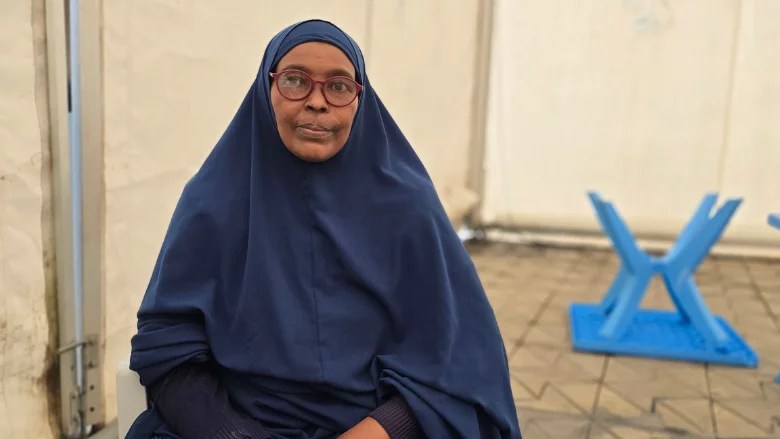 with activity. The smell of injera and samosa draws a crowd each day. However, ever since she arrived in Ethiopia, Lula has run her business informally because she did not have the right to work as a refugee. Continue reading
Why economic inclusion is key to reducing poverty and empowering people
As the world grapples with complex global concerns like poverty, inequality, and climate change, it’s the poorest communities that are often hardest hit and the most challenging to support.
To address these pressing issues, the World Bank Group has set ambitious goals to provide social protection measures to at least 500 million people by 2030, including 250 million women.
 Netherlands for the World Bank
You must be logged in to post a comment.