Lighting Up Eastern Africa: How Greater Access to Energy is Creating Jobs and Improving Public Services in Rural Ethiopia

STORY HIGHLIGHTS

  • Ethiopia has made significant progress in energy access in recent years; however, despite a 94% electrification rate in urban areas, around 60 million Ethiopians remain without electricity access.
  • The World Bank-supported Ethiopia Electrification Program (ELEAP), has facilitated nearly 1.3 million on-grid connections, providing electricity to about 6.3 million people, and more than 19,000 public facilities such as schools, healthcare centers, and administrative government buildings, across Ethiopia.
  • ELEAP has supported the installation of 11 mini-grids, bringing electricity to nearly 20,000 people in isolated communities, promoting social and economic growth, and particularly benefiting rural women.
Continue reading

How to close Africa’s energy access gap

What will it take to bring electricity to 300 million people in Africa who currently live without it? This is the goal we’ve set for Mission 300—to halve the number of people on the continent without reliable electricity by 2030. But setting a goal is just the spark. We need a full-blown power surge of bold reforms, investments, and an enabling environment for sustainable, scalable, and affordable energy solutions. 

Continue reading

Five alarming statistics on global hunger

As we welcome 2025 and close the first quarter of the 21st century, it is a moment for reflection. We find ourselves at a pivotal midpoint—five years since the onset of the COVID-19 pandemic and five years away from the 2030 deadline for the Sustainable Development Goals (SDGs). Yet, food and nutrition insecurity remain pressing global challenges. Many countries continue to grapple with recurring crises fueled by climate change, high food prices, and conflict, all of which undermine access to the healthy, nutritious food that people need to thrive.

Continue reading

Heads of State Commit to Concrete Plans to Transform Africa’s Energy Sector, with Strong Backing from Global Partners

DAR ES SALAAM, January 28, 2025 — Thirty African Heads of State and governments today committed to concrete reforms and actions to expand access to reliable, affordable, and sustainable electricity to power economic growth, improve quality of life, and drive job creation across the continent.  

Continue reading

Cameroon’s journey toward affordable, reliable, and universal electricity access for all

STORY HIGHLIGHTS

  • In rural Cameroon, 75% of the population remains without electricity, even though many live near the grid.
  • The Nachtigal Hydropower Plant financed by the World Bank Group together with partners, will increase Cameroon’s power generation capacity by 30%.
  • In addition to hydropower, Cameroon is developing several solar photovoltaic plants with a total installed capacity of 250 MW to transition to a greener electricity generation mix.
Continue reading

Bringing Light and Life to Rural Health Centers in Madagascar

A rural health center in Mateliona Betafo, Madagascar, has transformed healthcare delivery with solar-powered electricity through the World Bank-supported LEAD Project. For nearly seven years, midwives like Lovatiana Rasoarinjanahary worked under unsafe, dim conditions, relying on candles or dying phone batteries. Since June 2024, the center – one of 500 electrified by LEAD – now provides safe, well-lit care, benefiting vulnerable populations. The project improves lighting, refrigeration, and sterilization, enhancing maternal and child healthcare while supporting Madagascar’s goal to double electricity access through cost-effective, off-grid solutions. Lives and communities are brighter and safer with this innovation.

Continue reading

Why developing economies need a new playbook

As the 21st century dawned, world leaders were in a confident mood. They resolved to make “the right to development a reality for everyone” and free “the entire human race from want.” Fifteen years later, buoyed by the initial burst of progress, they set a tight deadline: “We resolve, between now and 2030, to end poverty and hunger everywhere.”  

Continue reading

International Day of Education 2025: Digital solutions for equitable education systems

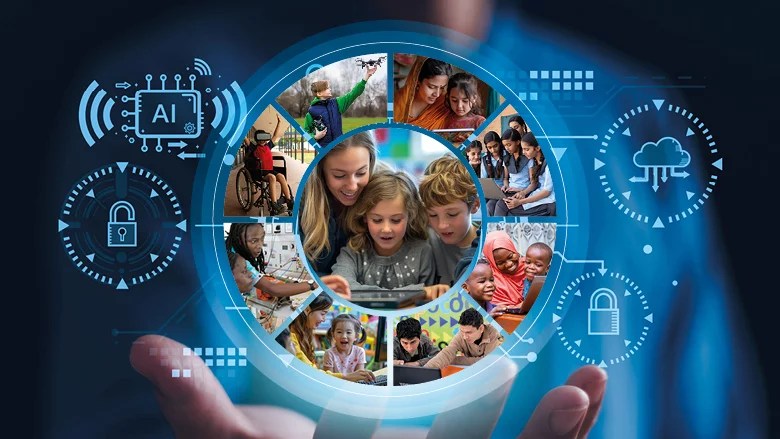
The 2025 International Day of Education inspires reflectionson the power of education to equip individuals and communities navigate, understand and influence technological advancement. This year the focus is “AI and Education: Preserving Agency in a World of Automation.”

Continue reading

Emerging and Developing Economies in the 21st Century

Image

Global growth is expected to hold steady at 2.7 percent in 2025-26. However, the global economy appears to be settling at a low growth rate that will be insufficient to foster sustained economic development. Emerging market and developing economies are set to enter the second quarter of the 21st century with per capita incomes on a trajectory that implies feeble catch-up toward those of advanced economies. Most low-income countries are not on course to graduate to middle-income status by 2050. Policy action at the global and national levels is needed to foster a more favorable external environment, enhance macroeconomic stability, reduce structural constraints, address the effects of climate change, and thus accelerate long-term growth and development.

Global Economic Prospects

Transforming Public Education: Innovative Programs Aim to Close Learning Gaps and Foster Student Success in Salvador, Brazil

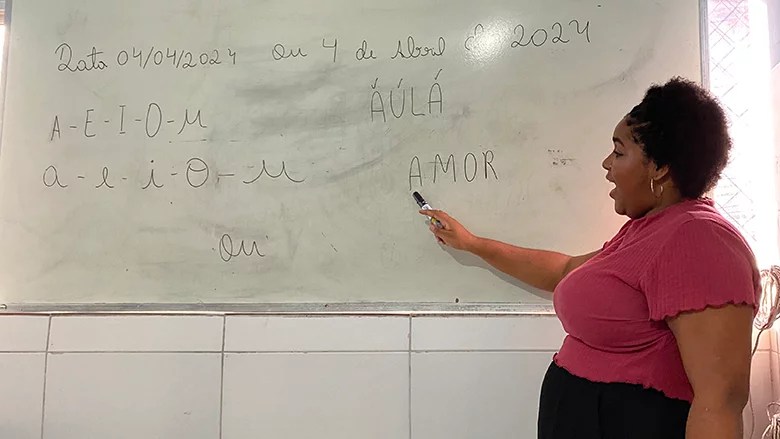
A visit to the Iacy Vaz Fagundes school, tucked away on a side street in the Federação neighborhood of Salvador, Brazil, quickly reveals the challenges faced by vulnerable students. In one of the classrooms, a learner from the City Council’s Learning Support Program (PAAP) was working with two girls aged 9 and 10. Despite being old enough to read and understand simple texts, they couldn’t even associate the sound of the vowel “A” with words like “amor” (love), “abacaxi” (pineapple), and “açúcar” (sugar). Witnessing this, one can’t help but wonder about the future jobs and lives these girls will have if they continue to struggle with basic reading skills, which are essential for learning a wide range of subjects.

Continue reading