
Since its launch in March 2016, as a global road safety fund, the GRSF had focused on  getting maximum value for the use of its donor funds by making a difference in how we invest in road safety. This is in line with our Strategic Objectives of developing capacity for sustainability in road safety results, promoting a global network of road safety funding, coordination and advocacy mechanisms, and leveraging development bank projects, particularly those of the GRSF host organization, the World Bank.
Reports
 challenge that has been shown to contribute to a number of harmful consequences, including school dropout, early pregnancy, intimate partner violence and infant mortality. But what are the economic impacts of child marriage? Join the International Center for Research on Women (ICRW) and the World Bank to discuss the findings from a groundbreaking research project to uncover the economic costs of child marriage.

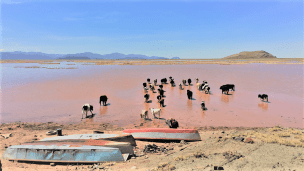
 displaced due to conflict and persecution has increased to 65.6 million by the end of 2016, according to UNHCR’s latest
  met with opportunity or frustration? As President of the World Bank Group, Jim Yong Kim wants to end extreme poverty and boost shared prosperity. He shares how the institution is working to improve the health and financial futures of people in the poorest countries by boosting investment and de-risking development.
 impacts are expected to grow. Low- and middle-income countries are seeing the worst effects as they are most vulnerable to climate shifts and least able to adapt given weak health systems and poor infrastructure. The good news is that the cumulative impacts of climate change on health have been extensively discussed for decades and understanding is growing.
 to the 2017 update of the

You must be logged in to post a comment.