
Teachers matter enormously to student learning. Teachers deliver academic knowledge.  Teachers impart model socioemotional skills. Good teachers boost students’ long-term life outcomes. Teachers can inspire (and in another demonstration of their importance, in some cases, sadly, teachers can disappoint or even abuse).
Tag Archives: World Bank
The COVID-19 pandemic has reinforced gender inequalities around the world
COVID-19 has seriously impacted the global progress towards gender equality, with women around the world continuing to face laws and restrictions that hinder their economic opportunity, according to the latest Women, Business and the Law 2021. Reforming laws toward gender equality must be a priority as governments look to recover from COVID-19.
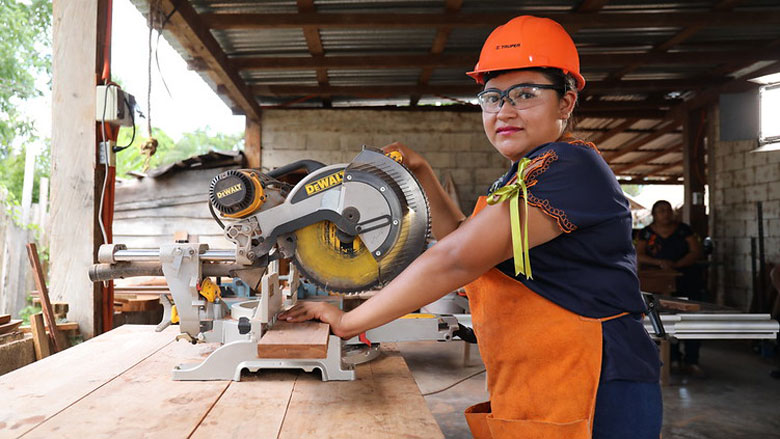
India: Rural women go digital to manage the pandemic’s disruptions
Muskanben Vohara and her group of women weavers in Gujarat’s Anand district were 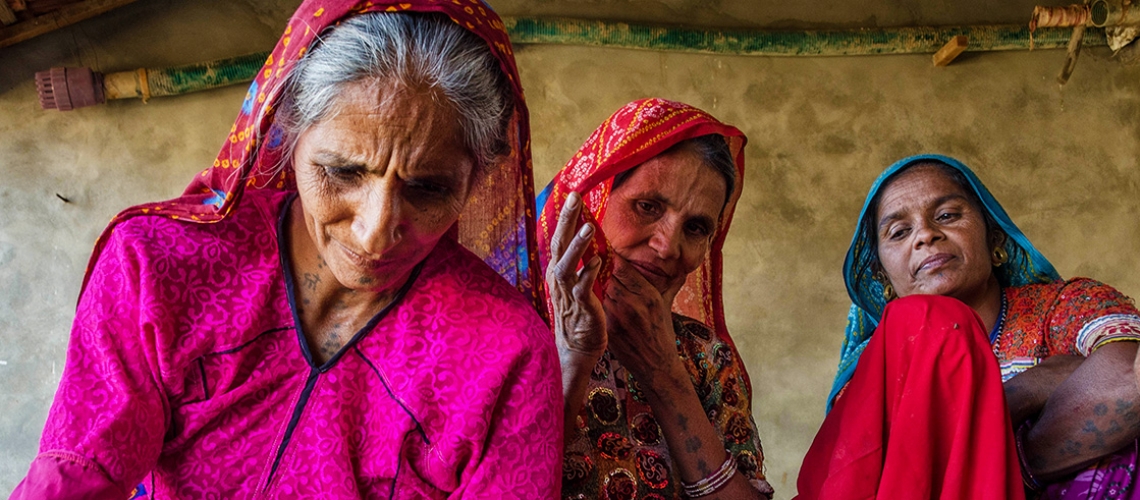 overcome with worry when the lockdown was announced to contain the Covid-19 pandemic.
Tracking an Unprecedented Year for Businesses, Everywhere
STORY HIGHLIGHTS

Woman worker in leather goods factory in Bogota, Colombia
- Nearly every business in the world has been affected by COVID-19—in different ways. While one-fourth of companies saw sales falling 50 percent in October-January from pre-pandemic levels, a third said their sales increased or stayed the same.
- To capture the impact of the pandemic on firms’ performance, the World Bank launched ongoing surveys with more than 120,000 firms in over 60 countries. The assessment is expected to help inform recovery efforts.
- Developing countries have introduced multiple support programs, but businesses most affected by the shock—small firms and those in poorer countries—were the least likely to receive government support.
Prevent the next food crisis now
Firms and workers continue to be deeply impacted by the COVID-19 pandemic as it enters its  eleventh month. Building on insights from COVID-19 Business Pulse Surveys, the first blog post in this series described the implications of the crisis for firm sales, employment, and financial performance, while the second discussed record levels of uncertainty and firms’ coping strategies, including adoption of digital technology. This third and final part of the series focuses on public policy responses.
Matching climate change ambition with collective action
Despite contributing the least to the climate crisis, Sub-Saharan Africa, home to over 1 billion  people, continues to suffer some of the worst consequences of a changing climate. In 2019, we saw the catastrophic impacts of Cyclone Idai on millions of people in Mozambique, Zimbabwe, and Malawi, and in 2020, locusts caused widespread food insecurity in the amidst of a global pandemic.
Recap: The impact of the pandemic on woman and girls.
Evidence from outbreaks similar to COVID-19 indicates that women and girls can be affected in particular ways, and in some areas, face more negative impacts than men. In fact, there is a risk that gender gaps could widen during and after the pandemic and that gains in women’s and girls’ accumulation of human capital, economic empowerment and voice and agency, built over the past decades, could be reversed. The World Bank Group is working to ensure that projects responding to COVID-19 consider the pandemic’s different impacts on men and women.
COVID-19 spurs big changes in Pakistan’s education
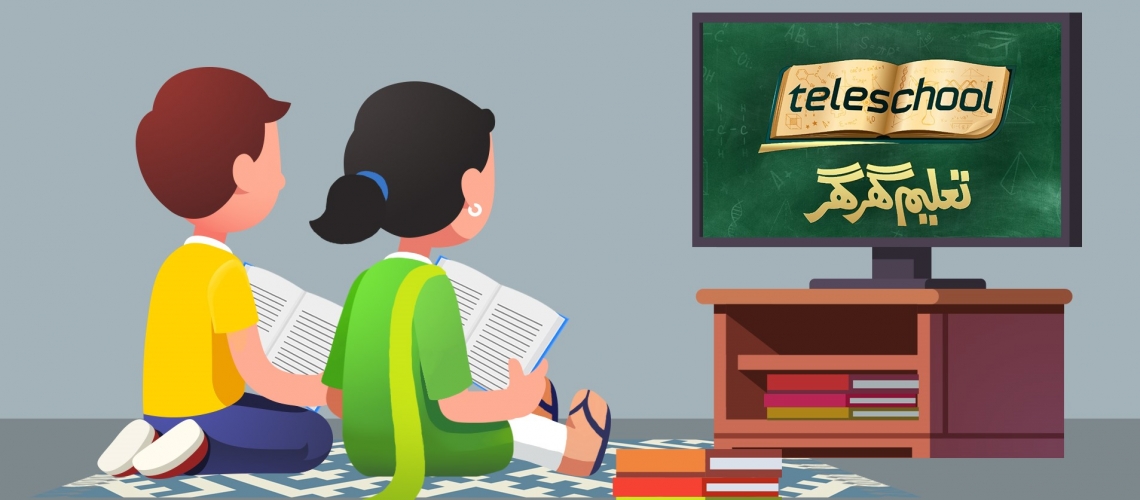 Pakistan’s schools are reopening again today after a nearly uninterrupted 11-month hiatus. In March 2020, the Government of Pakistan closed all schools as part of a nationwide lockdown, prompting the Ministry of Federal Education and Professional Training (MoFE&PT) to seek education alternatives to ensure learning continuity.
Realizing the returns to schooling: How COVID-19 and school closures are threatening women’s economic future
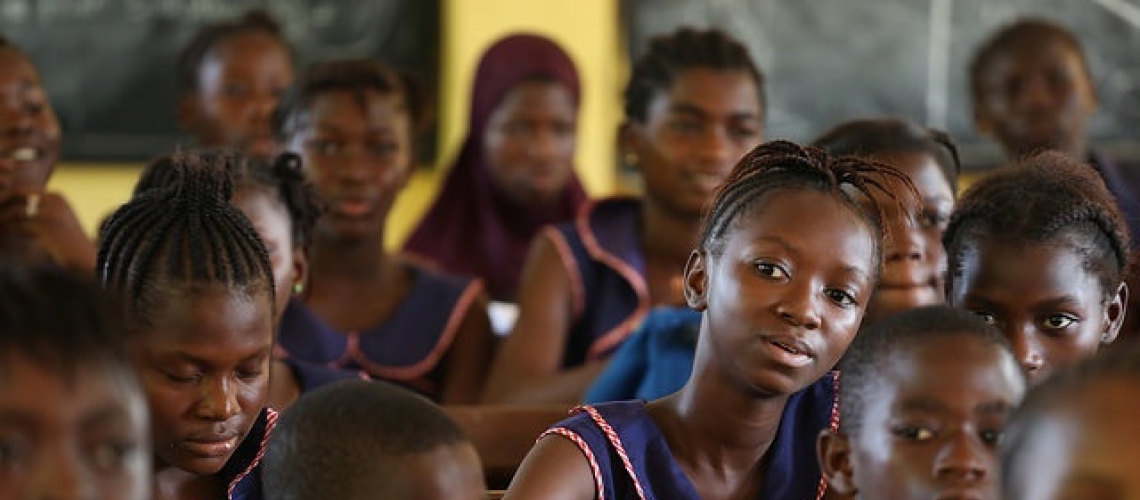 ensure that girls and women can realize the returns to their schooling.
 Returns to schooling for women are high – so says Bono and the research. A couple of years ago, in an essay in Time magazine Bono wrote: “Give girls just one additional year of schooling and their wages go up almost 12 percent.” He said the same thing a year before that at the Munich Security Conference. The source of that quote was a 2014 World Bank paper and a recent update confirms this is still the case. At the same time, girls are staying in school longer and learning more. However, these gains are at risk as COVID-19 is presenting a crisis within a crisis for girls’ education.
Prevent the next food crisis now
The toxic cocktail of climate change, conflict, and COVID-19 is making itself felt most intensely 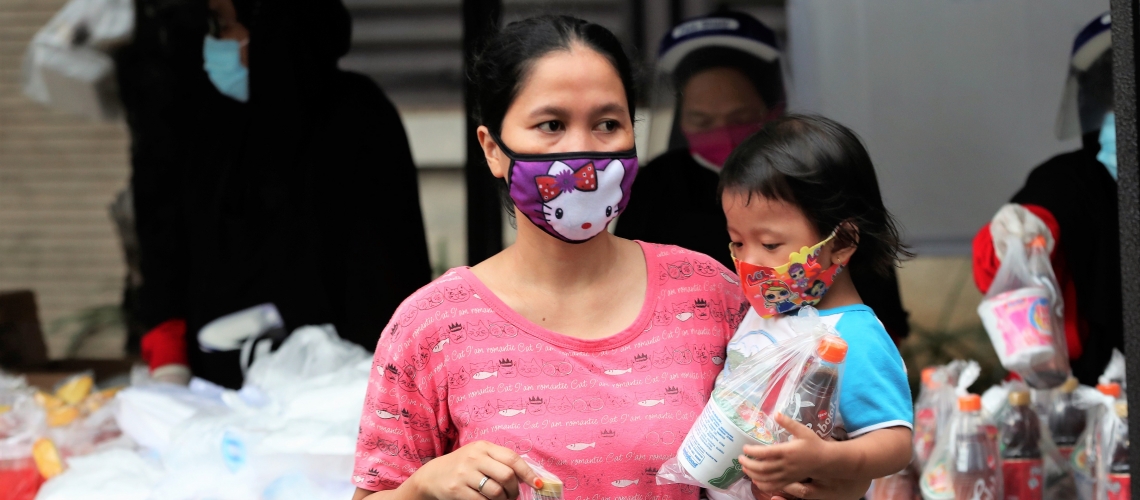 in the world’s poorest and most vulnerable countries. As a result, a record 235 million people worldwide will need humanitarian assistance and protection in 2021 – an increase of 40% from last year.


You must be logged in to post a comment.