When risks stack up: Threats to global food markets in 2026

Global food commodity markets entered 2026 on a relatively stable footing, supported by ample grain and edible oil supplies. However, escalating conflict in the Middle East has disrupted that stability, introducing new volatility into food trade and input markets. The World Bank Group’s April 2026 Commodity Markets Outlook projects a 2.5 percent increase in the global food commodity price index this year, but risks are firmly tilted to the upside. The emergence of El Niño conditions, rising energy and fertilizer costs, growing biofuel demand, and potential trade restrictions could all push food prices significantly above current projections.

Continue reading →

Harnessing Urban Growth for Recovery: New World Bank Report Charts Pathways for Resilient and Inclusive Cities in South Sudan

JUBA, June 9, 2026 — The World Bank Group, in partnership with the Government of the Republic of South Sudan, today launched the South Sudan Urbanization Review: Cities as Anchors of Recovery and Resilience, calling for urgent, coordinated action to harness rapid urbanization as a driver of stability, jobs, and inclusive growth.

Continue reading →

Closing the skills gap: why industry must help lead the way

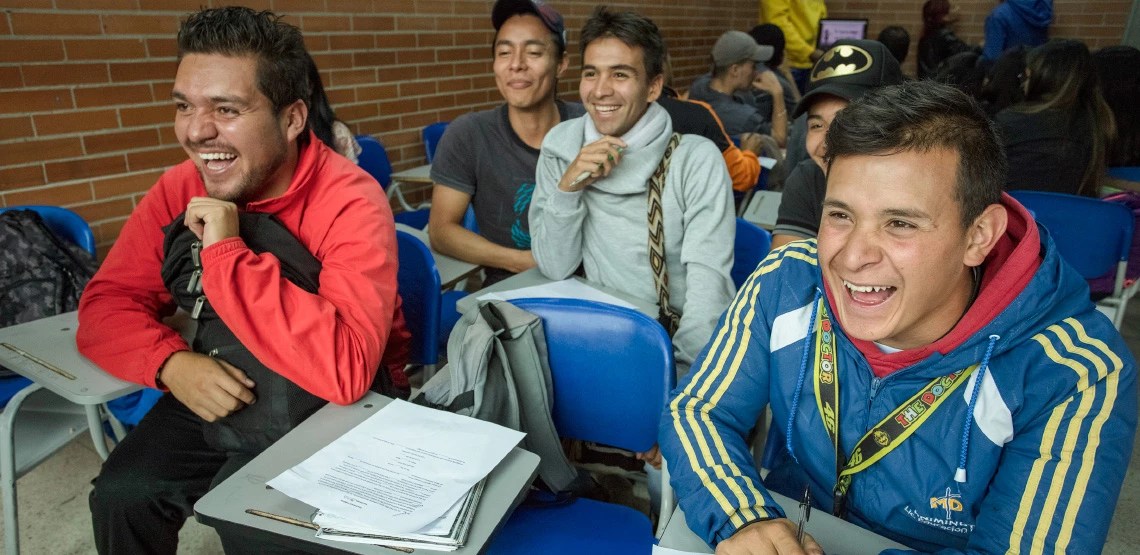
The global economy is changing at extraordinary speed, and education and training systems are struggling to keep up. Artificial intelligence is transforming jobs almost overnight. The green transition will create tens of millions of new ones. By 2050, 22 percent of the world will be over the age of 60, creating urgent shortfalls in health and care workers. And yet, despite a large and untapped global labor force, employers cannot find the talent they need. The result is a paradox: mass unmet demand for talent, alongside a vast untapped labor force.

Continue reading →

More Than 160 Young People Participate in Chile 2026 Youth Summit on the Jobs of the Future

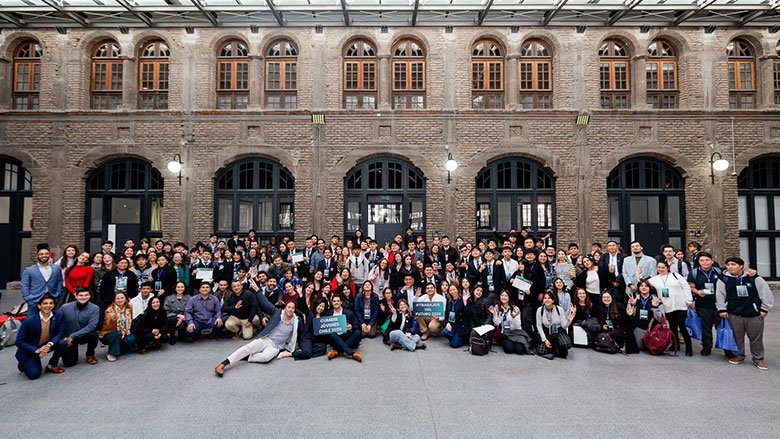
Organized by the World Bank Group, the Federation of Chilean Industry (SOFOFA), the UC Chile University, and América Solidaria, the event brought together young people alongside representatives from the public sector, private sector, academia, and civil society to reflect on the labor challenges and opportunities that will shape Chile’s future.

Continue reading →

The World Bank Group and Japan Expand Cooperation to Strengthen Critical Minerals Supply Chains and Energy Resilience

TOKYO, June 1, 2026 — World Bank Group President Ajay Banga and Minister of Finance of Japan Satsuki Katayama today agreed to strengthen collaboration on helping developing countries build more resilient supply chains and energy systems, unlocking investment, jobs, and long-term economic growth.

They signed the document to launch the Resilient and Inclusive Supply-chain Enhancement Plus (RISE+) , and agreed on a new framework called Dynamic Response for Invigorating Value Chains and Energy Security (DRIVE). Together, these initiatives extend Japan’s existing partnerships with the World Bank Group on critical minerals and regional energy security.

Continue reading →

Harnessing AI and private innovation to close health gaps

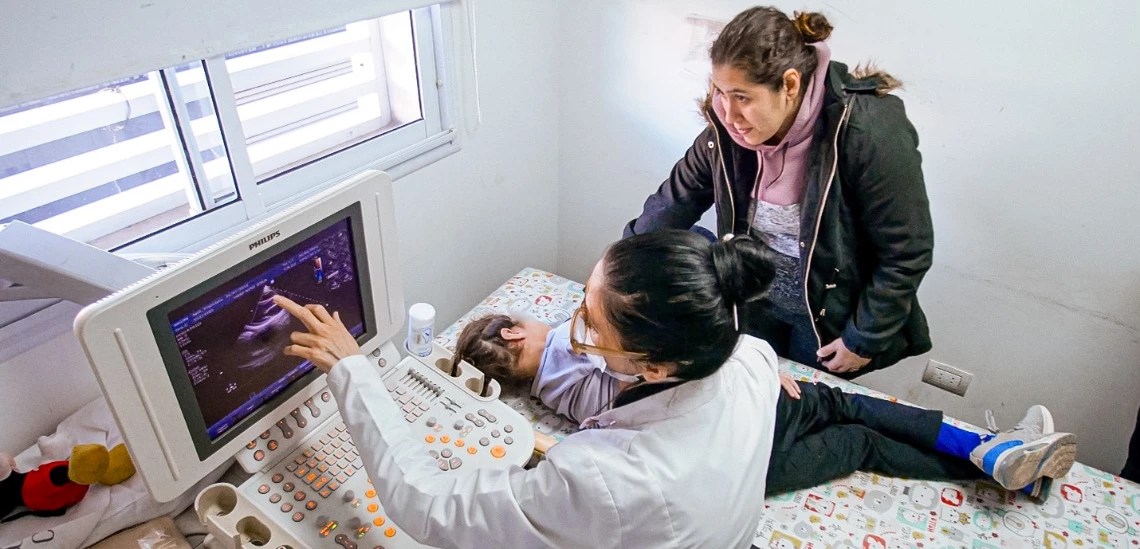
Good health fuels human potential — supporting education, work, and productivity. For people in emerging markets, it is essential to participating in a growing economy. Yet the scale of the global health challenge remains daunting: an estimated 4.5 billion people still lack access to essential health services. Health systems worldwide face worker shortages, weak infrastructure, rising demand, and financial barriers. In these constrained environments, AI offers real promise.

Continue reading →

Building Ethiopia’s Pharmaceutical Future: From Strong Regulation to Local Production

Ethiopia is transforming from an import-dependent market into a pharmaceutical manufacturing hub. After becoming the 9th African nation to reach WHO Maturity Level 3, local production now exceeds 40% of medicine supply. This WBG feature examines how regulation, the Kilinto Special Economic Zone, and research at AHRI and CDT-Africa are driving jobs, exports, and health sovereignty.

Continue reading →

What Three Decades of Advancing Clean Air Taught Us—and Where We Go from Here

In 1990, facing a public health crisis, Mexico City initiated its first multiyear air quality management strategy, significantly reducing lead and sulfur emissions. These results were driven by a regional-focused approach, key regulatory reforms, and investments in data monitoring – all geared toward ensuring sustained and measurable impact.

Continue reading →

Small bridge, massive impact: Connecting Madagascar’s vanilla to the world

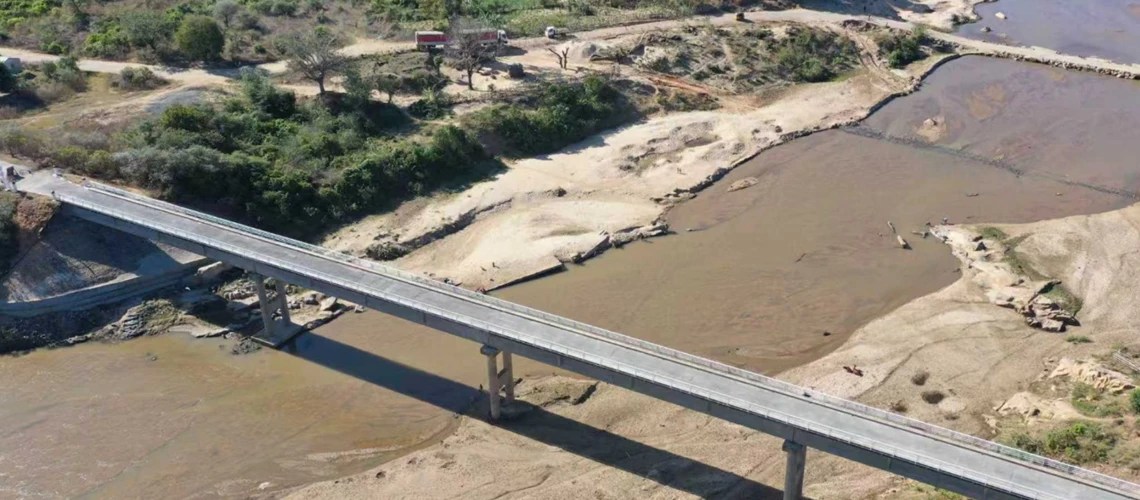
There is a bridge in northeastern Madagascar that you probably haven’t heard of, yet it probably has brought some joy into your life. It is about 140 meters long, with a three-meter-wide traffic lane and a one-meter-wide sidewalk. By any global measure, it is unremarkable. No tourists photograph it. It is not the kind of place that shows up on Instagram feeds, and no travel guidebook mentions it.

Continue reading →