
Stories of resilience from Madagascar, the Central African Republic, and Egypt
We couldn’t even figure out how to face the next day or find food for our children.”
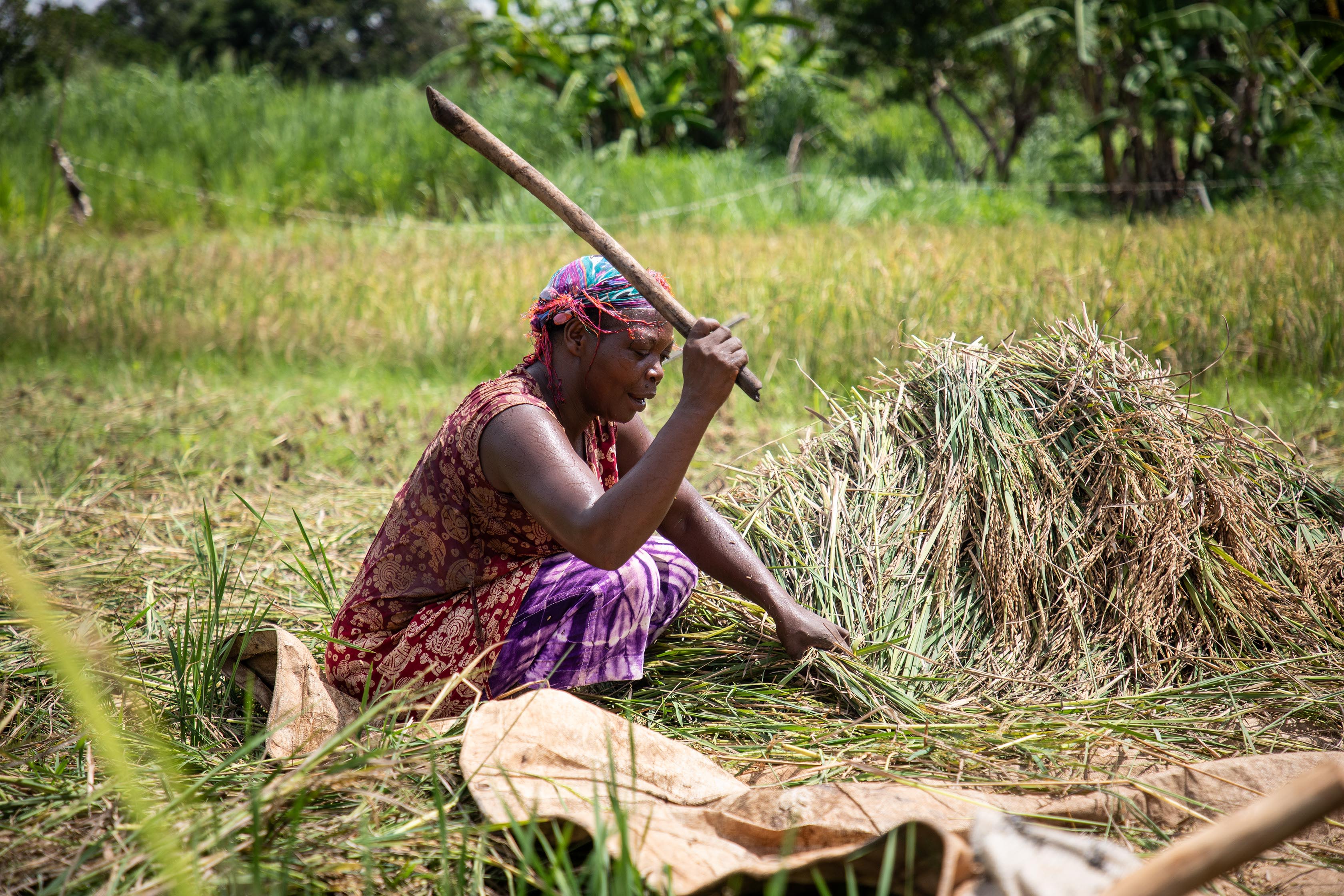
Volatsarasoa is a mother of four who lives in the village of Malangy, near the southern tip of Madagascar in one of the poorest regions in the country. With a fifth child on the way, she spends a lot of time thinking about a prosperous future for her children by learning from the experiences of her recent past.
“Me, my husband, and my children suffered a lot because there was no food, and we were starving. We barely ate, most of the time just a cup of rice for all of us, and only in the evening. It was very hard, and we couldn’t even figure out how to face the next day or find food for our children with everything going on I was worried. I was panicked.”
Interested in Doing Business with the World Bank Group? Please see selected opportunities below.
Procurement Framework and Regulations for Projects After July 1, 2016 (worldbank.org)
Interested in Doing Business with the World Bank Group? Please see selected opportunities below.
Procurement Framework and Regulations for Projects After July 1, 2016 (worldbank.org)
More people than ever before—828 million, according to the most recent estimates—do not know where their next meal will come from. Yet we are producing more food than ever, with cereal grain production at an all-time high. How did we get so far off track in ending hunger and how do we get back on course?
Around the world, nearly 1 in 5 youth ages 15-24 are unemployed, or part of the labor force but without a job. Among children ages 10-19, 1 in 7 experience a mental disorder. Nearly 6 in 10 ten-year-old children in low- and middle-income countries cannot read and comprehend a simple paragraph. These numbers do not bode well for future innovation and economic growth. By 2050, the people who are under 25 today will compose more than 90 percent of the prime-age workforce.
Interested in Doing Business with the World Bank Group? Please see selected opportunities below.
Procurement Framework and Regulations for Projects After July 1, 2016 (worldbank.org)
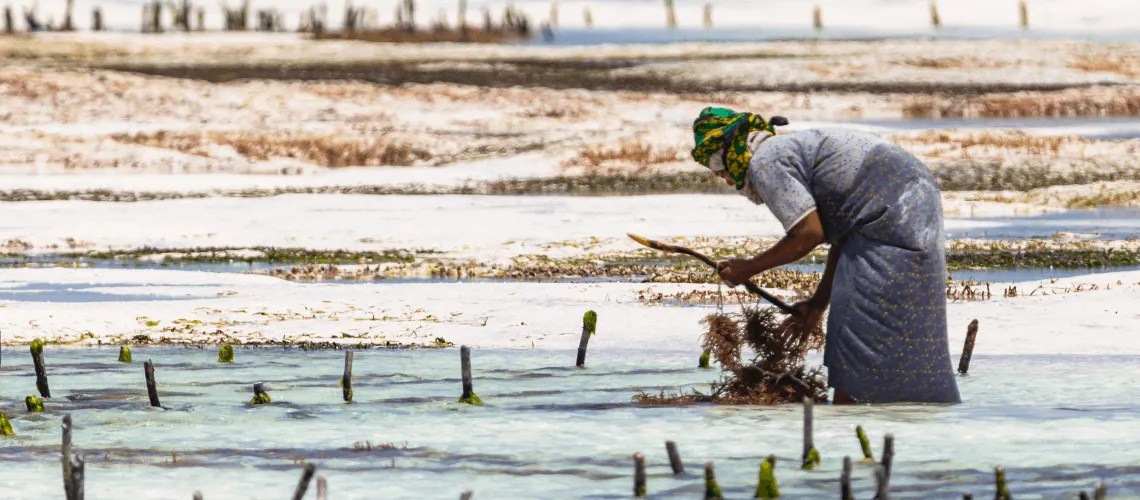
Take seaweed, for instance.
For centuries, brown, green, and red algae growing naturally in salty coastal waters or strewn along shorelines has been gathered for consumption and sale –mostly by women – to support the nutritional and economic needs of rural families and communities. In more recent times, women have also dominated aquaculture production of seaweed.
 spurring economic growth and providing opportunities for greater social equality.
  Netherlands for the World Bank
You must be logged in to post a comment.