World Bank Annual Report 2020 Downloads
The World Bank Annual Report 2020 is available to download in multiple languages via the links below.

The World Bank Annual Report 2020 is available to download in multiple languages via the links below.
Deadline: 08-Oct-2020 at 11:59:59 PM (Eastern Time – Washington D.C.)
The objective of this contract is to gather evidence on how DGM projects provided meaningful benefits to women in the key gender (in)equality domains of economic opportunities, access to and control over productive assets, voice, and agency. The contract will also collect evidence on how DGM empowered women during the intervention process. A selected firm is expected to conduct a study and produce a report which will be based on the research findings, as described below.
The coronavirus pandemic wreaked havoc around the world and dealt a major setback to  decades of development outcomes. Last spring, we successfully championed a moratorium on debt for the world’s poorest countries and launched a fast, broad-based response to COVID-19. We are financing emergency operations in over 111 countries – home to 70% of the global population- which has been the largest and fastest crisis response in the World Bank Group’s history.
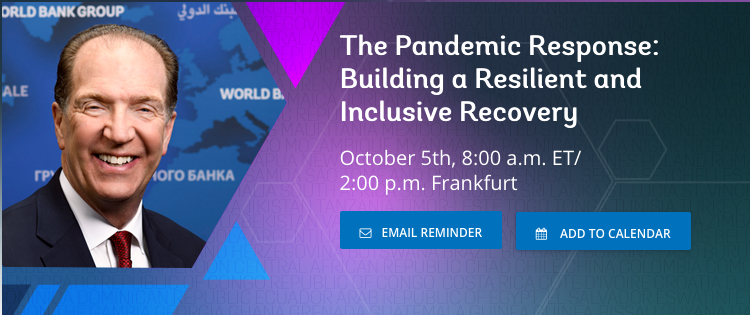
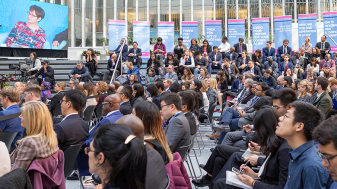
Ahead of the World Bank Group-IMF Annual Meetings, Frankfurt School of Finance and Management will host World Bank Group President David Malpass who will discuss the impact of the COVID-19 pandemic on the world’s poorest and most vulnerable people and the challenge of building a resilient and inclusive global recovery.
The event will be introduced by Germany’s Bundesbank President Dr. Jens Weidmann and include a conversation between President Malpass and Professor Nils Stieglitz, President and Managing Director of Frankfurt School of Finance and Management.
Yemen’s high malnutrition rates have drawn global attention, highlighting the impact the
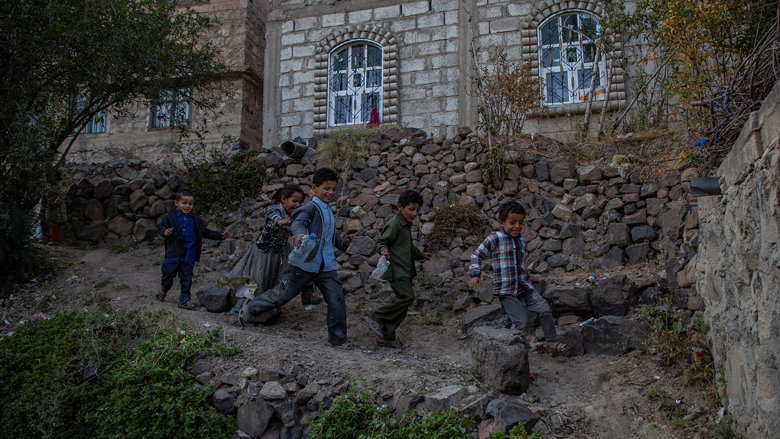
A group of Yemeni children playing in Al-Dhihla village, Anss District, Dhamar Governorate.
country’s five-and-half-year civil war has had on its population. About 20 million Yemenis—70% of the population—are facing hunger, a 13% increase from 2017.
Yemen is one of the most food insecure countries in the world. Long before the conflict began, child malnutrition was widespread. In 2013, 46.5% of children under five were stunted, or short and underweight for their age; 16.3% suffered from acute malnutrition.
One morning in February, in Kaffrine Region, Senegal, Kaffia Diallo emerged from her tent. She 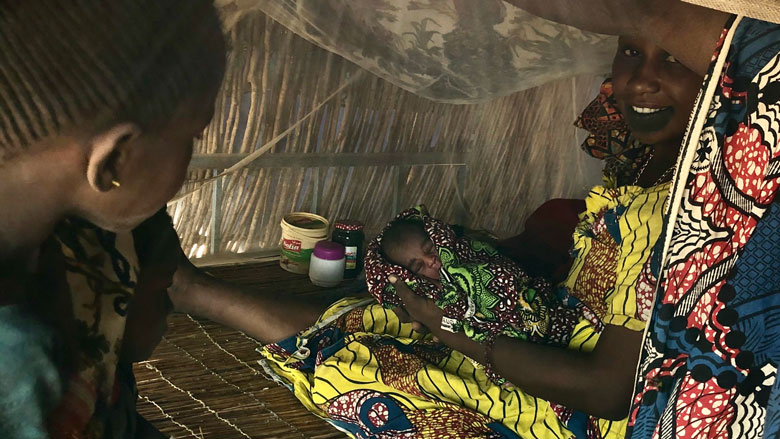 is happy; her new grandson was born just two days earlier. “A beautiful baby,” she said, “although I wish he weighed a little more.”
I would like to provide another update on some of the work underway at the World Bank Group 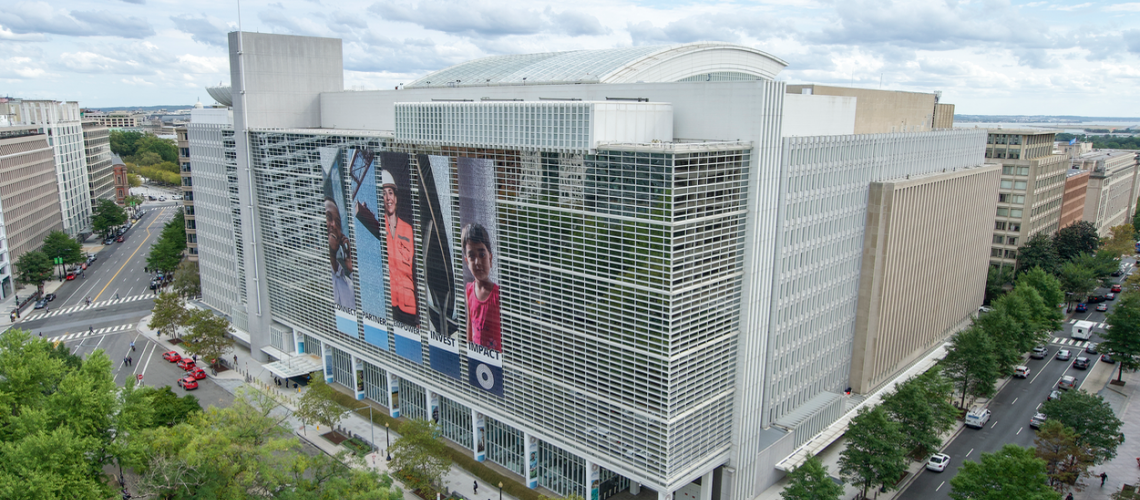 to address the COVID-19 pandemic and other significant development challenges.
The pandemic is hitting developing countries hard, and the inequality of that impact is clear. It threatens to push over 100 million people into extreme poverty and is exacerbating inequality throughout the world. The negative impact on health and education may last decades—80 million children are missing out on essential vaccinations and over a billion are out of school.
Deadline: 05-Oct-2020 at 11:59:59 PM (Eastern Time – Washington D.C.) 
The assignment includes but not limited to undertaking baseline study to identify and quantify of key types of plastics, as per consumer goods/use, that pollute marine environment, identifying main drivers of plastic pollution, data analysis of plastics including material flow analysis and life cycle analysis, gap analysis of relevant existing policy and institutional architecture, stakeholder consultations, developing and implementing a methodology for sampling, testing, and data analysis of macro/microplastic load, development of stakeholder plan as well as contingency response plan in COVID-19 situation, and providing actionable recommendations based on primary and secondary research.
From massive theft of state assets to the low-level corruption that erodes productivity and weakens service delivery, corruption steals from the poor and erodes progress.
Water touches every aspect of development and flows through nearly every Sustainable  : By Sam Fargher and Stephane Hallegatte
Like every other country, the Republic of Fiji faces the unprecedented challenge of managing the consequences of the COVID-19 pandemic. While the number of cases remains low, in a country where international tourism is a cornerstone of the economy, the implications of the crisis are massive. GDP is expected to contract by more than 20 percent in 2020, with a 75 percent drop in international tourist arrivals and 40,000 tourism jobs already lost. In response, the government is planning a 3.7-billion-Fijian-dollar stimulus package to protect the population and support economic activity.
 Netherlands for the World Bank
You must be logged in to post a comment.