
This year’s International Women’s Day “Women in the Changing World of Work: Planet 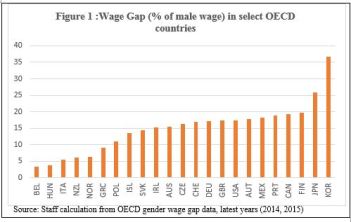 50-50 by 2030” places great emphasis on equality and economic empowerment. When countries give women greater opportunities to particip
ate in the economy, the benefits extend far beyond individual girls and women but also to societies and economies as a whole. Addressing gender gaps in accessing good quality jobs is not just the right thing to do from a human rights perspective; it is also smart economics. A recent study shows that raising labor participation of women at par with men can increase GDP in the United States by 5 percent, in the UAE by 12 percent and in Egypt by 34 percent.
 designed to better help workers adapt to new jobs being created by the internet if they want to avoid increasing inequality and exclusion in the region, notes a new World Bank Report. According to
  historically not performed well on sanitation. According to census figures from 2001 and 2011, the proportion of rural UP dwellers with a toilet increased slightly during the first decade of this century. However, the population grew as well, meaning that, overall, 13 million more people were defecating in the open in 2011.
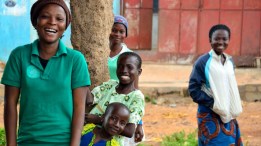 likely to get an HIV test.
 ework was officially implemented. With this change came improvements to the complaints mechanism, the full guide available below.

You must be logged in to post a comment.