
The world is off-track to achieve the Sustainable Development Goals (SDGs), which have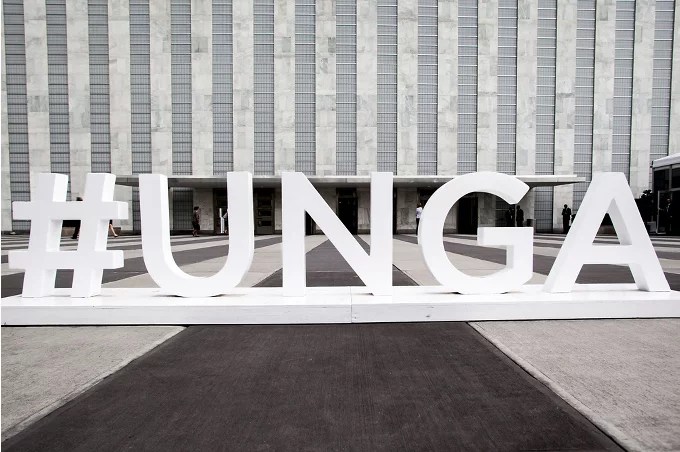 devastating implications for people’s lives worldwide. Evidence from the World Bank’s Atlas of the SDGs shows that some 574 million people—nearly seven percent of the world—will be severely restrained by extreme poverty in 2030 unless the poorest countries grow at rates never seen before.
Tag Archives: SDGs
Facing substantial investment needs, developing countries must sustainably manage debt
With just over ten years until 2030, developing countries face important and complex  challenges around the Sustainable Development Goals (SDGs). Not least of which is how to finance the investments needed to achieve them.
Estimates suggest that developing countries face a $2.5 trillion annual financing gap to meet the SDGs. Other studies conclude that the challenge of meeting this annual financing gap is substantial in low-income countries, which would require additional annual spending of 15.5 percentage points of GDP in 2030, focused relatively evenly on infrastructure and education and health.
Paying for development – Governments are sitting on a ‘goldmine’
Four years have passed since the launch of the 2030 Agenda and its 17 Sustainable 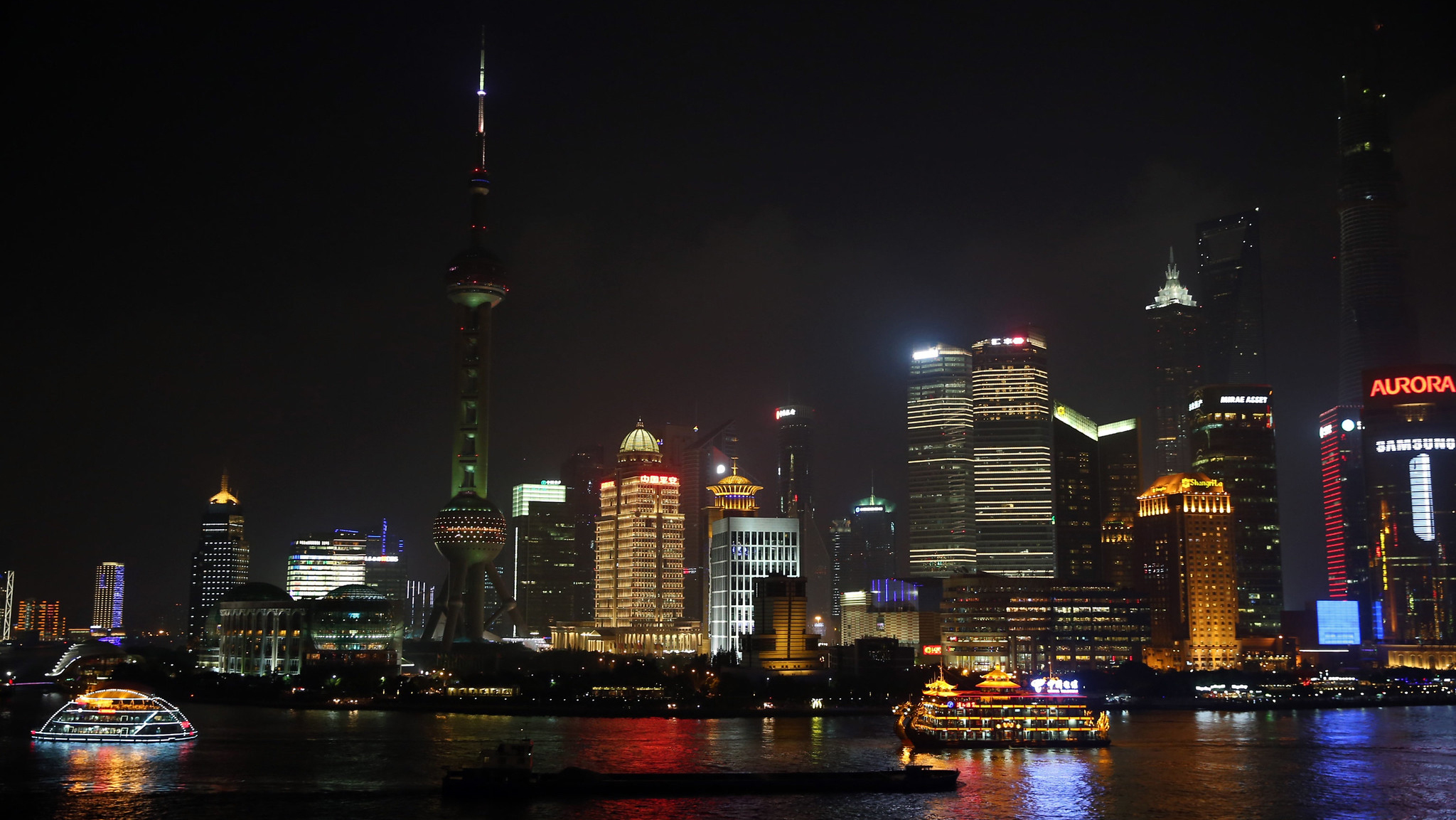 Development Goals. Mobilizing the necessary resources remains central to its success.
 Investments in human, social, and physical capital are at the core of sustainable and inclusive growth – and represent an important share of national budgets.
At the World Bank Group we have been at the forefront of the so-called Financing for Development (FfD) agenda to leverage public, private, international, and domestic sources of capital to help reach the global goals. A short primer on our efforts–which builds on the 2015 Development Committee paper Billions to Trillions – Transforming Development Finance–can be found in the brochure entitled Financing for Development at the World Bank Group.
The Netherlands, World Bank join forces to boost domestic resource mobilization in Africa, the Middle East
WASHINGTON DC, APRIL 11th, 2019.- Senior representatives of the Kingdom of the Netherlands and the World Bank today signed an agreement for USD 7,000,000 to 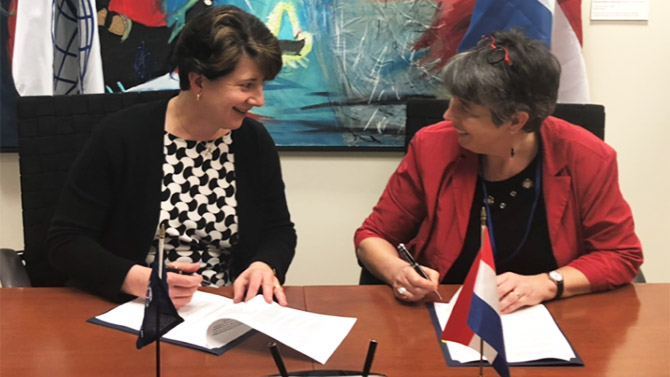 support developing countries’ efforts in mobilizing much-needed public domestic resources to achieve the Sustainable Development Goals, particularly in Africa and the Middle East.
The four-year agreement aims at boosting domestic resource mobilization while strengthening tax policy and administrative capacity in selected countries in North, Western, and Central Africa, as well as in the Middle-East. Some countries that may benefit from this agreement include: Benin, Burkina Faso, Chad, Côte D’Ivoire, Ghana, Liberia, Niger, Nigeria, Senegal, Ethiopia, Kenya, Iraq, Jordan, and Lebanon.
Measuring the statistical capacity of nations
Improving the capacity of national statistical systems (NSSs) has long been a part of the  global development agenda. The NSSs play an important role in modern economies. They provide stakeholders, ranging from policy makers to stock market analysts and the general public, with the data on the country’s socioeconomic developments. At the international level, monitoring global initiatives such as the Sustainable Development Goals (SDGs) requires high-quality data that are produced consistently across different national statistical systems.
Why investors must take a chance in the world’s most fragile countries
 Fragility, conflict and violence affect more than two billion people across the globe
 . And while poverty on the whole is declining, that’s not the case in countries affected by conflict. It is these countries plagued by near-constant political and economic instability that are often the ones most in need of private investment. Yet they are also the places few private investors are willing to go. The risks seem to outweigh the rewards.
Millions Around the World Held Back by Poor Sanitation and Lack of Access to Clean Water
New World Bank research from 18 countries shows urgent action on water and sanitation is key to tackle poverty
STOCKHOLM, August 28, 2017– Reaching the Sustainable Development Goal (SDG) of  access to safely managed water and sanitation services by 2030 will require countries to spend $150 billion per year. A fourfold increase in water supply, sanitation, and hygiene (WASH) investments compared to what is spent today, this is out of reach for many countries, threatening progress on poverty eradication.
A World Bank report launched today at World Water Week titled Reducing Inequalities in Water Supply, Sanitation, and Hygiene in the Era of the Sustainable Development Goals suggests that a drastic change is required in the way countries manage resources and provide key services, starting with better targeting to ensure they reach those most in need, and tackling inefficiencies to make sure public services are sustainable and effective.
The Tech Revolution That’s Changing How We Measure Poverty
Article published on http://www.worldbank.org on July 27, 2017.
The world has an ambitious goal to end extreme poverty by 2030. But, without good poverty data, it is impossible to know whether we are making progress, or whether programs and policies are reaching those who are the most in need.
Putting women’s health and empowerment at the center of development
Last week on World Population Day, I was thinking of the joy of children and the right of 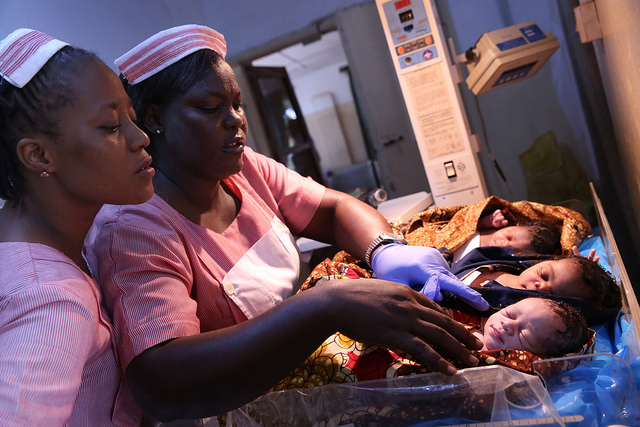 women to decide when to have them. It matters to women, but it matters to society as a whole. There can be no sustainable development without women’s empowerment, and there can be no women’s empowerment without access to comprehensive maternal and reproductive health services. Family planning is part of them.
Report: Global Road Safety Facility
Since its launch in March 2016, as a global road safety fund, the GRSF had focused on  getting maximum value for the use of its donor funds by making a difference in how we invest in road safety. This is in line with our Strategic Objectives of developing capacity for sustainability in road safety results, promoting a global network of road safety funding, coordination and advocacy mechanisms, and leveraging development bank projects, particularly those of the GRSF host organization, the World Bank.
Reports
 Netherlands for the World Bank
You must be logged in to post a comment.