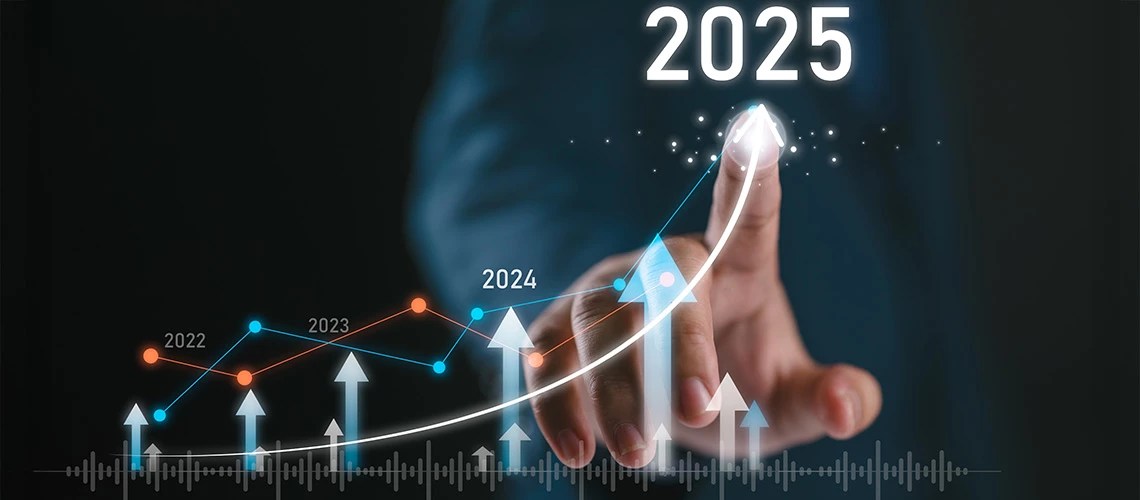
2025 has been a year of steep ups and downs for the global economy—at least where growth forecasts have been concerned. The consensus forecasts of economists have swung from optimism to pessimism and back again. Yet actual economic activity has remained remarkably resilient. Forecasters now expect global growth of about 2.7 percent—broadly in line with expectations at the start of the year (figure 1A).
Continue readingTag Archives: Economy
Regional Economic Updates
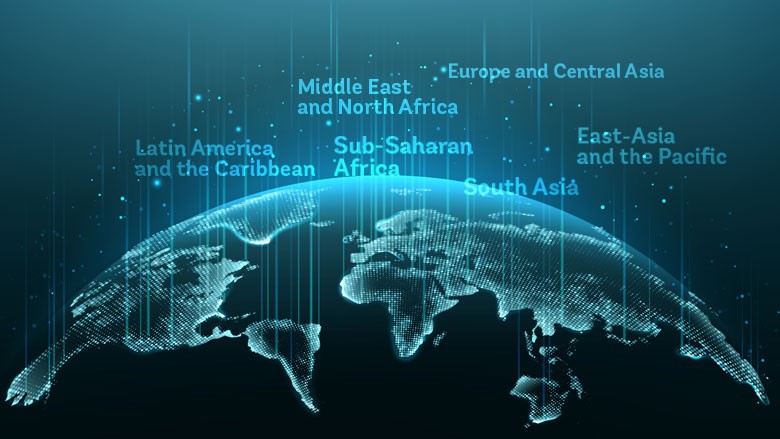
Here are the latest bi-annual regional economic updates to explore the macro development trends in Africa, East Asia and the Pacific, Europe and Central Asia, Latin America and the Caribbean, the Middle East and North Africa, and South Asia.
These reports are released around the World Bank-International Monetary Fund Spring Meetings and updated again around the Annual Meetings.
Continue readingForeign Direct Investment in Retreat: Policies to Turn the Tide
Foreign direct investment (FDI)—an important source of external financing for emerging market and developing economies (EMDEs)—has weakened since the global financial crisis, heightening the challenges of filling vast infrastructure gaps, reducing poverty, creating new jobs, and addressing climate change. This study provides a broad perspective on the evolution of FDI inflows to EMDEs since 2000, including patterns across regions and changes in sectoral composition.
Continue readingFurther strengthening how we measure global poverty
For 35 years, the World Bank Group has measured global poverty to track progress toward eradicating what is considered the most severe deprivation of basic human needs—extreme poverty. This goal is at the very heart of our organization’s mission.
Continue readingJobs: The Surest Path out of Poverty
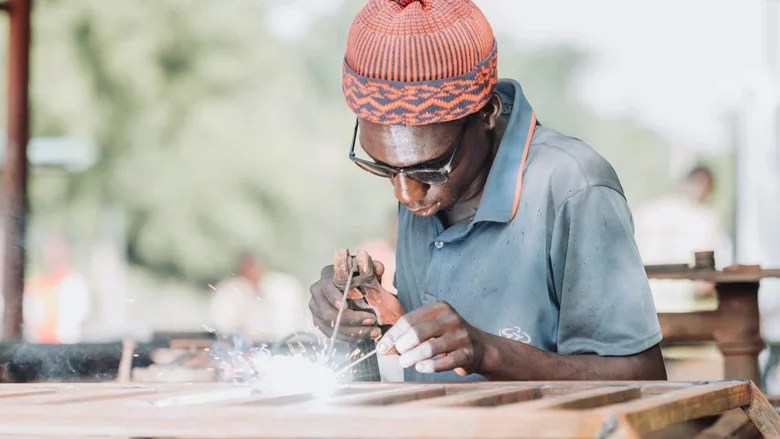
At the World Bank Group, creating more and better jobs has long been central to our mission, and we will prioritize job creation as an explicit aim of everything we do.
Continue readingDevelopment is how we compete, grow, and stay secure
Private investment flows only where the right conditions exist and where there’s a clear probability of return
The World Bank was not born of altruism, but of strategic design. Its original purpose, shaped by U.S. interests, was to forge a global economic landscape ripe for private sector investment. This wasn’t charity—it was a calculated move to promote economic growth and prevent instability. Over time, our mission has evolved, sometimes drifting into humanitarian efforts. But during the past two years of reform, we have refocused on our core mandate: driving development and reducing poverty. The resources needed to achieve this require the private sector to be an active player.
Continue readingFinancing Shortfalls Hinder Road Safety Progress in Low- and Middle-Income Countries
MARRAKECH, February 18, 2025 – Road safety financing faces a critical shortfall, hindering progress toward halving global road traffic fatalities and injuries by 2030. Each year, road crashes claim an estimated 1.19 million lives, leave countless others with permanent disabilities, and impose significant economic costs.
Continue readingHow to close Africa’s energy access gap
What will it take to bring electricity to 300 million people in Africa who currently live without it? This is the goal we’ve set for Mission 300—to halve the number of people on the continent without reliable electricity by 2030. But setting a goal is just the spark. We need a full-blown power surge of bold reforms, investments, and an enabling environment for sustainable, scalable, and affordable energy solutions.
Continue readingPower for progress: a call from African leaders and partners to electrify Africa
For many of us, the simple act of flipping a switch to light up our homes or power our devices are taken for granted. Electricity fuels modern progress—it powers hospitals and schools, enables businesses, and connects us to the world.
Continue reading
World Bank’s USD 6 Billion 7-Year Global Bond Achieves Record Orderbook
WASHINGTON, D.C., January 7, 2025 – The World Bank (International Bank for Reconstruction and Development, IBRD, Aaa/AAA) today priced a 7-year benchmark bond that matures in January 2032. The Sustainable Development Bond raised USD 6 billion from investors seeking a high-quality liquid investment that supports the World Bank’s work to end extreme poverty and boost prosperity on a livable planet.