Why bridging Africa’s skills gap is crucial for growth

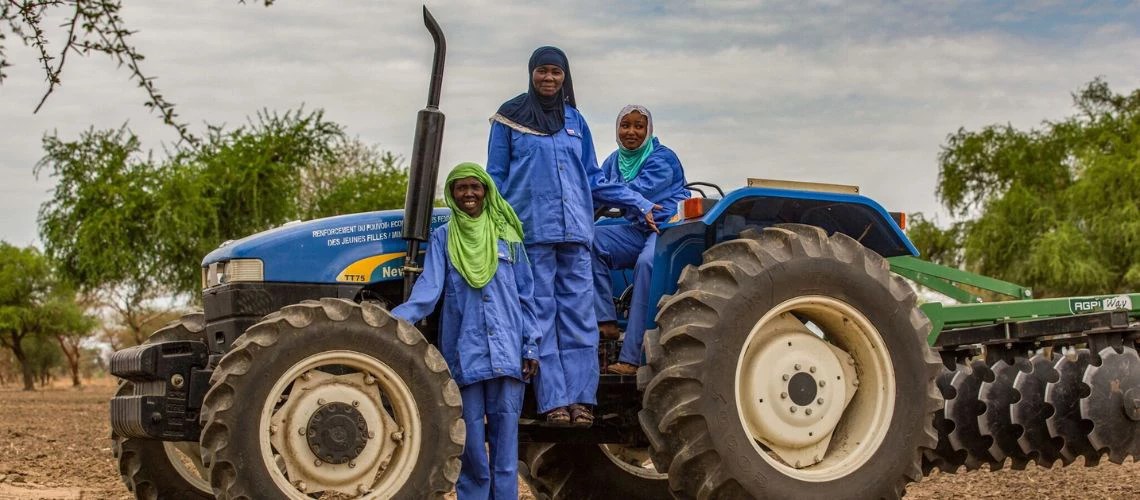
Sub-Saharan Africa’s economic promise is clear. It has the world’s youngest and fastest-growing population; by 2050 a quarter of the world’s working-age population will be living in Africa, with vast natural resources, and expanding regional markets. Yet these strengths are undermined by a persistent weakness: the region’s skills gap. 

Continue reading
Ten years of progress and challenges: Insights into global child poverty

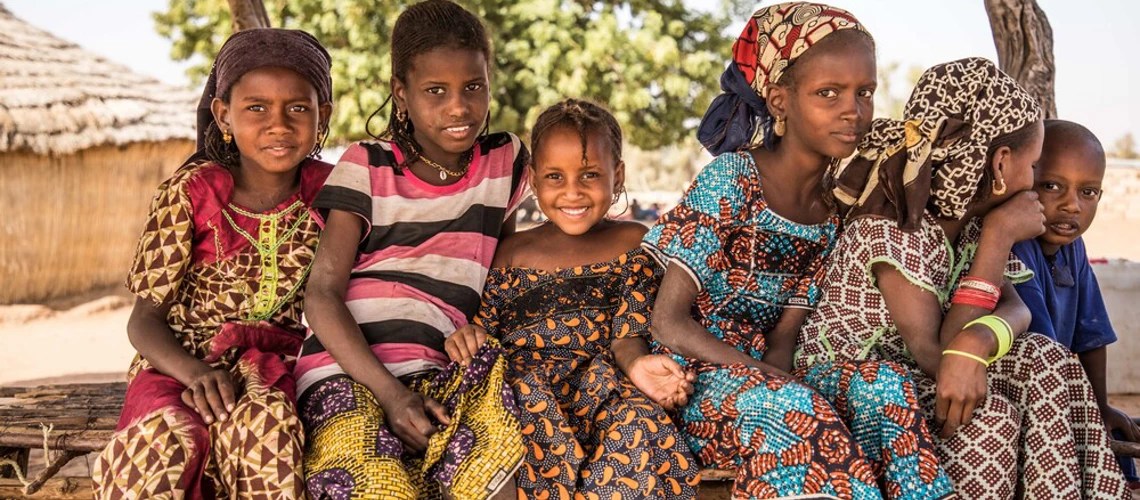
The past decade has seen slow but steady progress toward reducing the number of children who are living in extreme poverty worldwide. Yet despite this progress, children remain disproportionately affected by extreme poverty.  They represent over half of the global population living on less than $3.00 per day, even though they make up only 30% of the total population.

Continue reading

Global Economy Faces Trade-Related Headwinds

The global economy is facing substantial headwinds, emanating largely from an increase in trade tensions and heightened global policy uncertainty. For emerging market and developing economies (EMDEs), the weak outlook limits their ability to boost job creation and reduce extreme poverty. This challenging context is compounded by subdued foreign direct investment into EMDEs. Global cooperation is needed to restore a more stable global trade environment and scale up support for vulnerable countries, including those in fragile and conflict situations. Domestic policy action is also critical to contain inflation risks and strengthen fiscal resilience. To unlock job creation and long-term growth, reforms should focus on raising institutional quality, attracting private investment, and strengthening human capital and labor markets. 

Open Knowledge Repository

Beyond the numbers: Key trends reshaping Latin American jobs

Jobs are the main driver of poverty reduction. They help build more resilient and self-sufficient societies, reduce the need for humanitarian aid, and address the root causes of unrest and migration. Jobs were the key to fighting poverty in Latin America during its last period of sustained poverty reduction (2009-2014): strong employment creation and wage growth drove two-thirds of the decrease in poverty rates. After this prosperous timeframe, both poverty and labor market conditions have remained largely stagnant across the region (COVID-19 aside).

Continue reading

Further strengthening how we measure global poverty

For 35 years, the World Bank Group has measured global poverty to track progress toward eradicating what is considered the most severe deprivation of basic human needs—extreme poverty. This goal is at the very heart of our organization’s mission.

Continue reading

Meet the Community Champions Shaping a Future with Nature

In national parks and ecological corridors globally, community champions are fostering harmony between people, wildlife, and other biodiversity, while creating jobs and other economic opportunities in their local areas.

The Global Wildlife Program (GWP) is one of the largest global partnerships created to support country-led initiatives that tackle illegal and unsustainable wildlife trade, mitigate human-wildlife conflict and zoonotic spillover risk, and promote wildlife-based livelihoods. With funding from the Global Environment Facility, the World Bank-led program works with community champions across 38 countries, including in South Africa, Indonesia, Mali, and Ecuador.

Continue reading

High five! How the World Bank Group is more focused on outcomes

The number five is often seen as a symbol of balance, progress, and transformation—much like the steady progress the World Bank Group has made since it set up an Outcomes Department five months ago. This new department seeks to elevate the way we measure our impact, strengthening our accountability for results. Just as five fingers help us build and create and the five senses allow us to experience the world around us, the department has worked to lay a strong foundation for the future.


Continue reading

World Bank Group’s Global Digital Summit 2025- #WBGDigitalSummit

World Bank Group staff are invited to the Global Digital Summit 2025, our second annual gathering of top tech leaders and digital pioneers from government, the private sector, academia, and the development community. Under the theme “Digital Pathways for All,” the Summit will explore cutting-edge topics like AI and emerging technologies, showcasing how digitalization can bridge gaps, drive innovation, and create economic opportunities worldwide. 

Continue reading

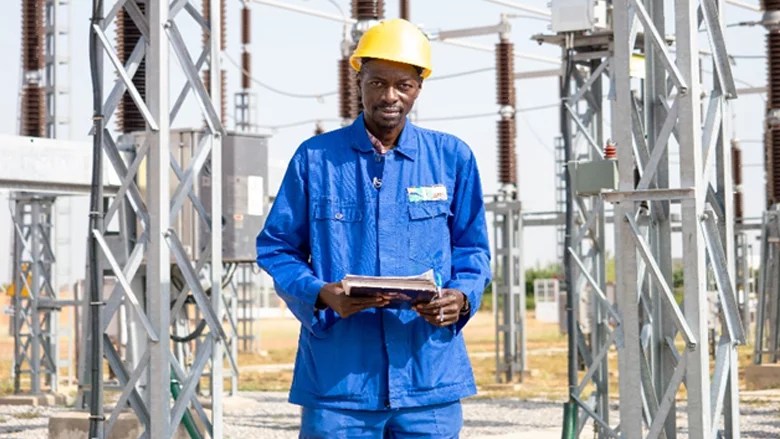
Powering Africa: The Transformational Impact of Regional Energy Projects in West Africa

Results Highlights

  • The construction of a 1,303 km 225 Kilovolt (kV) transmission line connecting the electricity grids of Côte d’Ivoire, Guinea, Liberia, and Sierra Leone (CLSG) has facilitated cross-border electricity trade and delivered affordable, renewable, and abundant electricity to approximately 2.8 million people across Guinea, Liberia, and Sierra Leone. This initiative has also contributed to a reduction in greenhouse gas emissions, amounting to about 13.8 million tons of CO2.
  • A newly built 228 km 225 kV transmission line connecting Kayes in Mali and Tambacounda in Senegal has significantly improved electricity supply and access for 404,000 people in Mali, Mauritania, and Senegal.
  • The Gambia River Development Organization (OMVG) Interconnection has helped improve access to clean, lower-cost, and more reliable electricity service for more than 2.5 million households and businesses, equivalent to 15 million beneficiaries in Guinea, Guinea-Bissau, Senegal and The Gambia.
  • The construction of a 913 km 330/225 kV transmission line connecting Benin, Burkina Faso, Niger, and Nigeria under the North Core Interconnection project is expected to successfully deliver 600 MW of affordable, renewable, and abundant electricity to Niger, Burkina Faso, Benin, and Togo, and provide rural electrification to approximately 1.2 million people across Niger and Burkina Faso.
Continue reading