World Bank Annual Report 2020 Downloads
The World Bank Annual Report 2020 is available to download in multiple languages via the links below.

The World Bank Annual Report 2020 is available to download in multiple languages via the links below.
The coronavirus pandemic wreaked havoc around the world and dealt a major setback to  decades of development outcomes. Last spring, we successfully championed a moratorium on debt for the world’s poorest countries and launched a fast, broad-based response to COVID-19. We are financing emergency operations in over 111 countries – home to 70% of the global population- which has been the largest and fastest crisis response in the World Bank Group’s history.
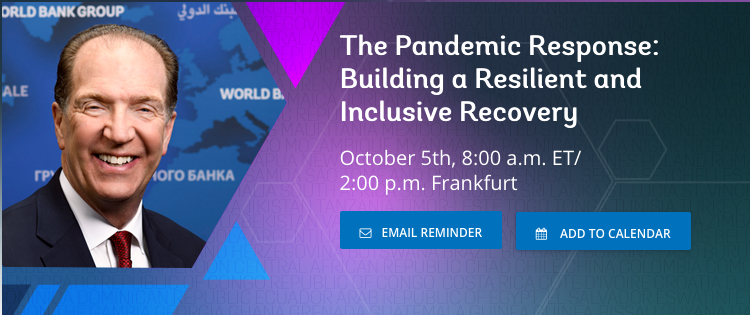
Ahead of the World Bank Group-IMF Annual Meetings, Frankfurt School of Finance and Management will host World Bank Group President David Malpass who will discuss the impact of the COVID-19 pandemic on the world’s poorest and most vulnerable people and the challenge of building a resilient and inclusive global recovery.
The event will be introduced by Germany’s Bundesbank President Dr. Jens Weidmann and include a conversation between President Malpass and Professor Nils Stieglitz, President and Managing Director of Frankfurt School of Finance and Management.
Yemen’s high malnutrition rates have drawn global attention, highlighting the impact the
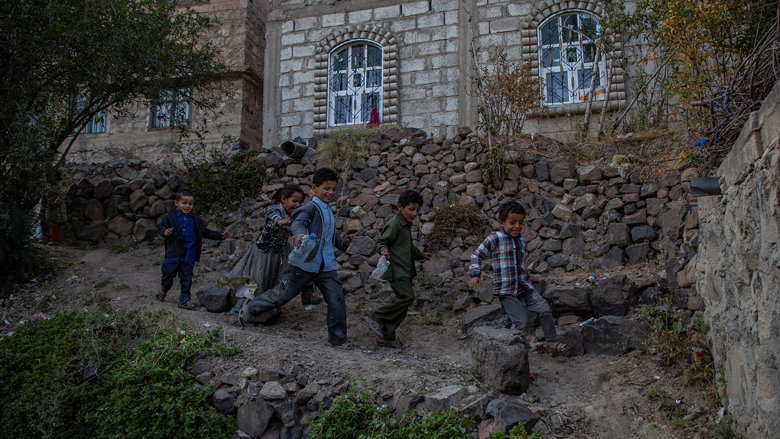
A group of Yemeni children playing in Al-Dhihla village, Anss District, Dhamar Governorate.
country’s five-and-half-year civil war has had on its population. About 20 million Yemenis—70% of the population—are facing hunger, a 13% increase from 2017.
Yemen is one of the most food insecure countries in the world. Long before the conflict began, child malnutrition was widespread. In 2013, 46.5% of children under five were stunted, or short and underweight for their age; 16.3% suffered from acute malnutrition.
One morning in February, in Kaffrine Region, Senegal, Kaffia Diallo emerged from her tent. She 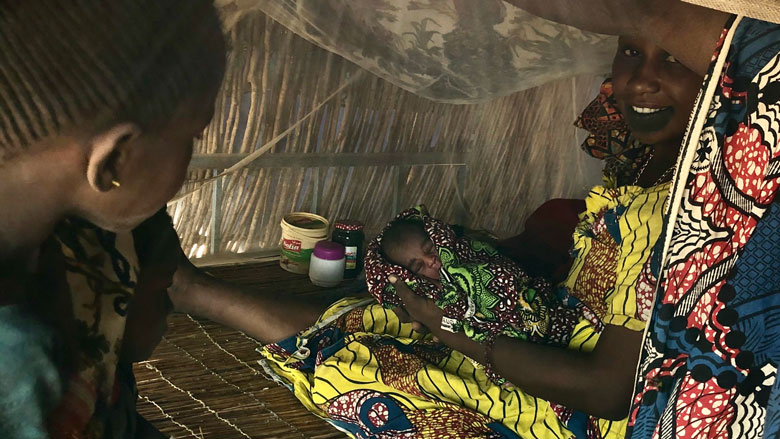 is happy; her new grandson was born just two days earlier. “A beautiful baby,” she said, “although I wish he weighed a little more.”
I would like to provide another update on some of the work underway at the World Bank Group 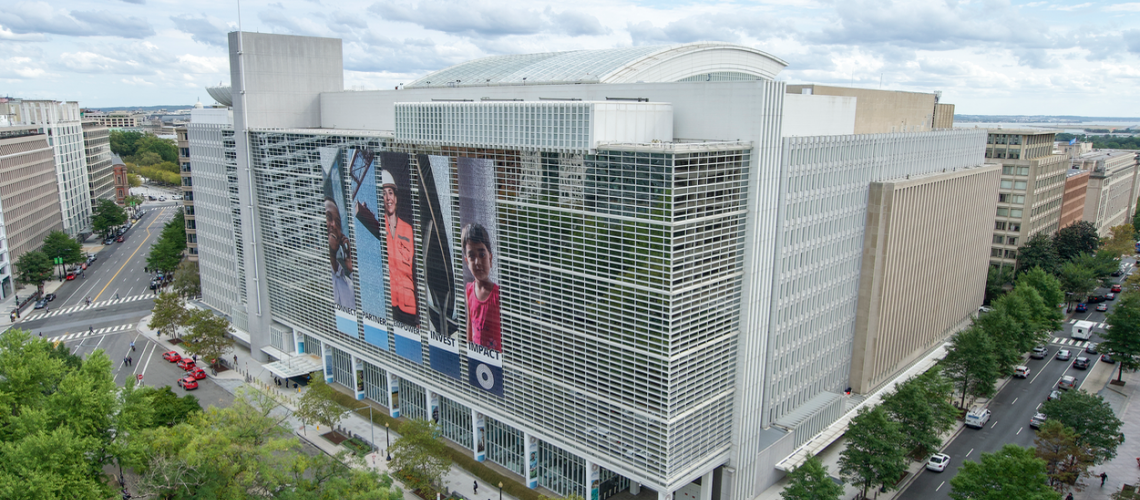 to address the COVID-19 pandemic and other significant development challenges.
The pandemic is hitting developing countries hard, and the inequality of that impact is clear. It threatens to push over 100 million people into extreme poverty and is exacerbating inequality throughout the world. The negative impact on health and education may last decades—80 million children are missing out on essential vaccinations and over a billion are out of school.
From massive theft of state assets to the low-level corruption that erodes productivity and weakens service delivery, corruption steals from the poor and erodes progress.
Water touches every aspect of development and flows through nearly every Sustainable  : By Sam Fargher and Stephane Hallegatte
Like every other country, the Republic of Fiji faces the unprecedented challenge of managing the consequences of the COVID-19 pandemic. While the number of cases remains low, in a country where international tourism is a cornerstone of the economy, the implications of the crisis are massive. GDP is expected to contract by more than 20 percent in 2020, with a 75 percent drop in international tourist arrivals and 40,000 tourism jobs already lost. In response, the government is planning a 3.7-billion-Fijian-dollar stimulus package to protect the population and support economic activity.
Technology has been a lifeline to developing countries during the COVID-19 crisis, helping to 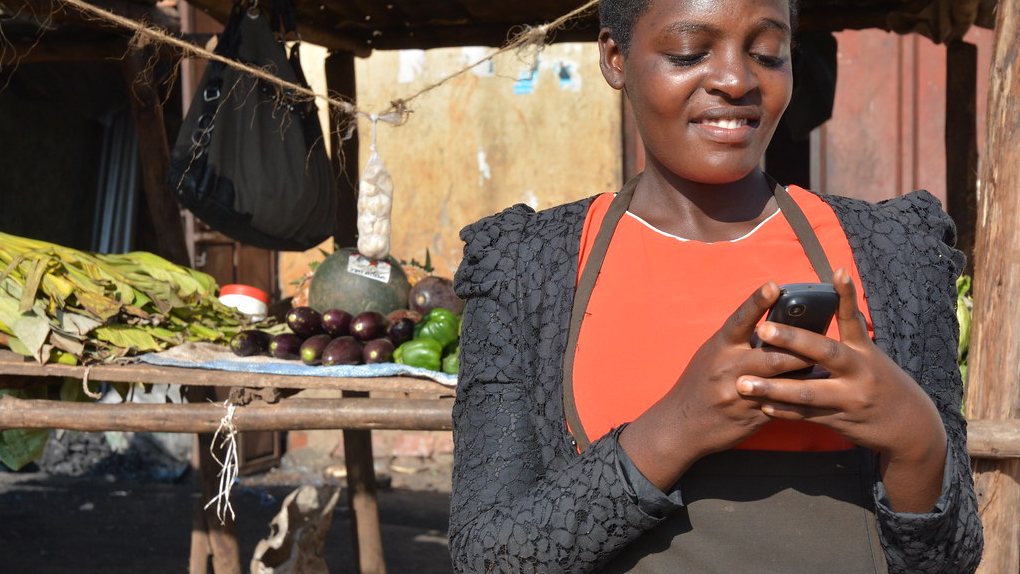 maintain essential services and keep companies in business. It has also offered a glimpse of a brighter future, one in which gains in income and employment are driven by technologies such as artificial intelligence.
Even before the pandemic, commercial uses for AI were expanding rapidly in emerging markets, in fields ranging from manufacturing and energy to education and financial services. The necessary lockdowns and travel restrictions imposed by countries have accelerated that trend. Companies like Clinicas de Azucar in Mexico are using AI to analyze data and improve health outcomes for thousands of at-risk diabetic patients. In India, 1mg uses AI to help customers compare prices for medical services from different labs.

 Netherlands for the World Bank
You must be logged in to post a comment.