
However, policy toolkit to handle economic shocks has improved 
WASHINGTON, November 20, 2019—Emerging and developing economies are less well positioned today to withstand a deeper global downturn, should it occur, than they were before the 2009 global recession, although they now have more resilient policy frameworks to respond, a new World Bank Group study of the global recession and its aftermath finds.
With multiple risks to global growth clouding the outlook, there is concern whether emerging and developing economies can effectively respond to a deeper economic slowdown as they were able to do during the 2009 global recession. The new study by the World Bank Group, A Decade after the Global Recession, compares emerging market and developing economies’ preparedness then and now, and finds reason both for concern and for optimism.


 youth unemployment rates are 300 percent higher than unemployment rates for adults over 25 years old, and higher than unemployment among any other age group. To add to this, many youth are also not enrolled in education or training.
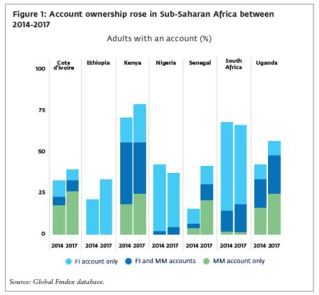 Finance Corporation and Mastercard Foundation Partnership for Financial Inclusion outlining Sub-Saharan Africa’s successes and challenges in building digital financial inclusion. The notes—all of which are available for download at
 than 50 governments to review the work of the
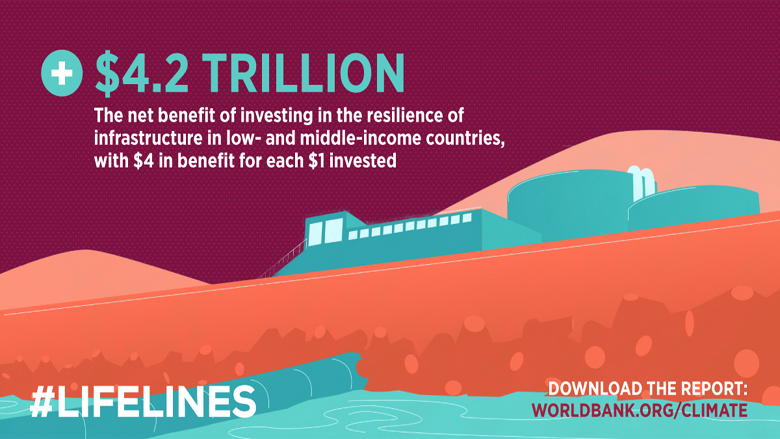
  infrastructure disruptions are an everyday concern that affects people’s well-being, economic prospects, and quality of life.
 Netherlands for the World Bank
You must be logged in to post a comment.