

Sub-Saharan Africa knows more than its fair share of disasters induced by natural 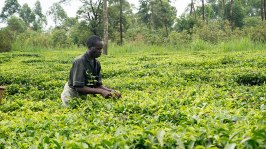 hazards. The past few months alone have seen drought in the Horn of Africa, floods in Mali and Rwanda, and landslides in Ethiopia and Uganda. Between 2005 and 2015, the region experienced an average of 157 disasters per year, claiming the lives of roughly 10,000 people annually.
Disasters can have a debilitating impact on countries’ growth and development prospects. Losses from disasters are only expected to rise as the impacts of climate change intensify across the region. Given these challenges, governments have often been reliant on external aid and budget reallocation to pay for disaster recovery. However, this financing strategy comes at a cost. Uncertainty and delays in aid flows tend to complicate planning for relief and recovery efforts, and budget reallocations can divert funding from vital development programs.

 edge of the Chengdu Plain in Sichuan Province, China. The Deyang District Government is providing water and limited sanitation service. In order to address significant challenges of the local water environment and improve waters services for over 230,000 people, Jingyang District Bureau of Housing and Urban-Rural Development (the Client) is seeking to implement a comprehensive centralized water project which includes the operation, maintenance and rehabilitation of existing assets, and greenfield assets for sewage treatment, water supply, pipe networks, water source protection, and a cloud IT platform.
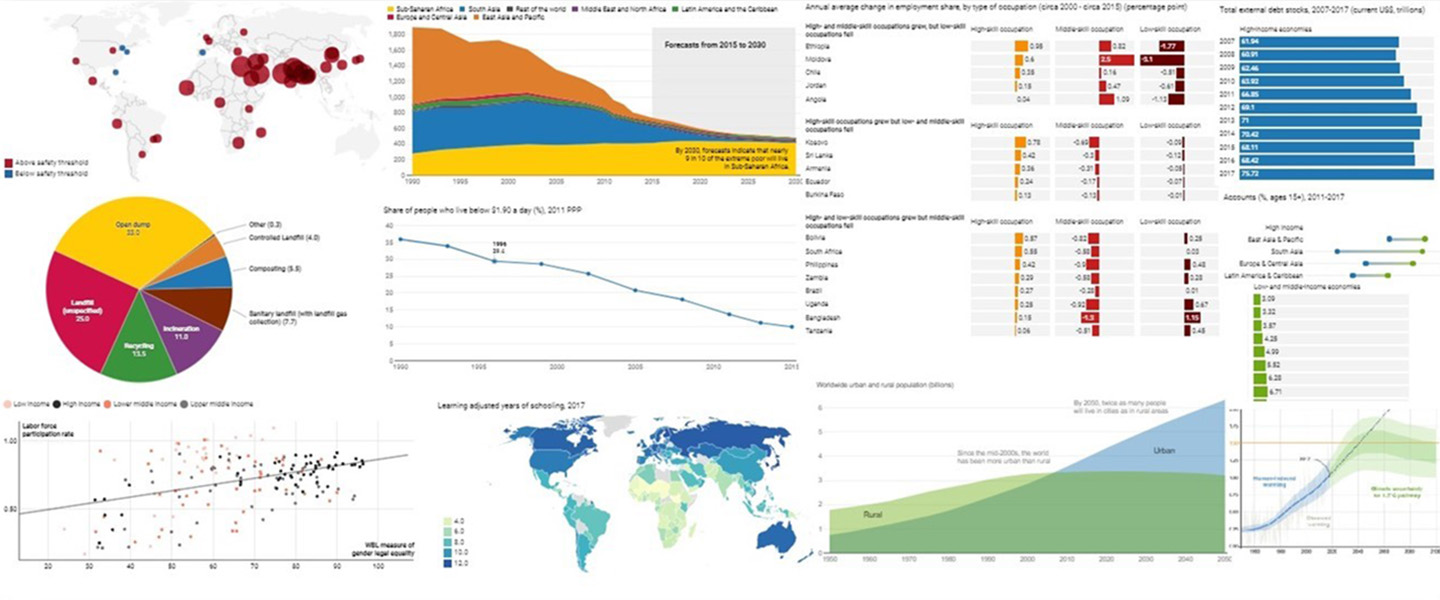 expected to become increasingly concentrated in one region. A record number of people have been forcibly displaced from their homes, and an influential new report confirms we’re running out of time to limit global warming. Yet, innovation and disruptive technologies are helping to bring clean energy to millions and connecting hundreds of millions of people to the financial system. These 14 facts tell a story about the challenges we face — and the actions needed to create a more inclusive, sustainable world.
 inception, the
  commitments into effective and socially acceptable actions. This sense of stagnation is particularly evident in
  either as refugees, internally displaced persons, or asylum seekers.
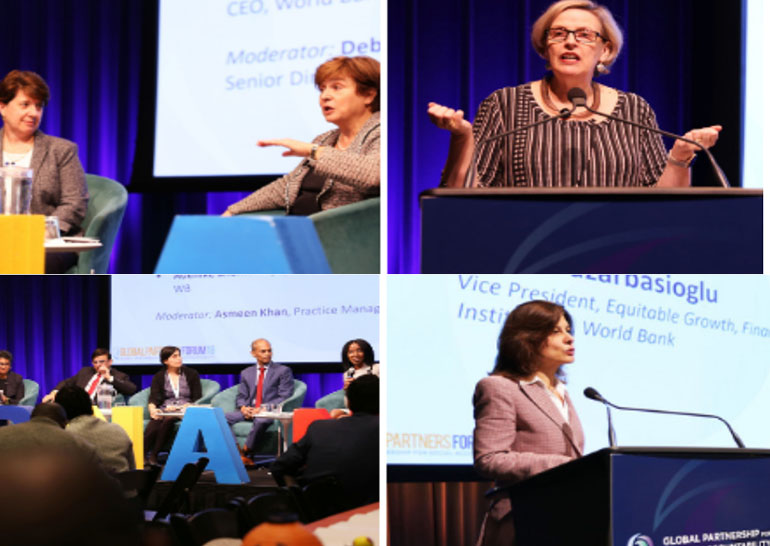 Capital Index in October 2018 it is fitting for social accountability practitioners to ask how countries would be able to close the ‘human capital gap’ and to be accountable for their efforts?


You must be logged in to post a comment.