Unknown's avatar

About NL4WorldBank

The World Bank Team at the Royal Netherlands Embassy tweets about news related to Dutch organizations interested in working with the #WorldBank. #NL4WorldBank

AI’s impact on jobs may be smaller in developing countries

Artificial intelligence is transforming the global workforce, but its impact may not affect all regions equally. Much of the conversation about AI and jobs focuses on high-income countries—where the technology threatens to reshape entire industries. But what will AI mean for workers in developing nations, who constitute 80 percent of the global workforce?

To better understand AI’s labor market impact in the developing world, in a recent paper we analyzed data from 25 countries, covering a population of 3.5 billion people. For workers in those countries, we assessed the level of AI exposure, which captures to what extent their jobs could be performed using AI. Our findings suggest that AI’s effects on jobs will be more gradual in the Global South, particularly in low-income countries.

Continue reading

Consultations on the World Bank’s New Country Engagement Approach

As part of its Evolution Process, the World Bank Group is reviewing its country engagement approach to align it with its new vision and mission while becoming more efficient, outcome-focused, and more systematic in tapping into private sector solutions wherever possible. 

To inform the new country engagement approach, we will hold formal consultations with external stakeholders. Online consultations opened on January 16, 2025, and consultation meetings will be held in all seven operational regions of the WBG starting February. The consultations will close on March 21, 2025. The meetings will follow a hybrid format, combining in-person and virtual participation. Rethinking the Approach to WBG Country Engagement will provide the basis for consultations. To see the consultations outreach plan, click here.

Note: The approach paper is now available in ArabicChineseFrenchPortugueseRussian, and Spanish.

ONLINE CONSULTATIONS

Click here to take the survey

MENA is open to work: Tackling the jobs deficit

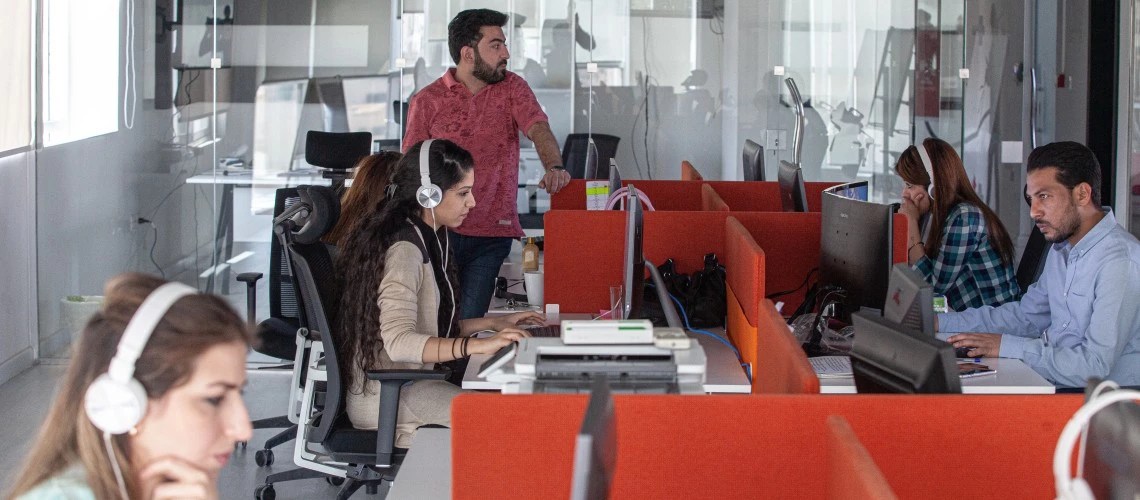
The Middle East and North Africa (MENA) has a large reservoir of untapped human resources, with the world’s highest unemployment rate among youth and the lowest participation of females in the labor force. Desirable jobs, defined as high-paying or formal jobs, are few, and private employment is overwhelmingly of low added value.

Continue reading

Unleashing opportunities for women in Africa with access to energy

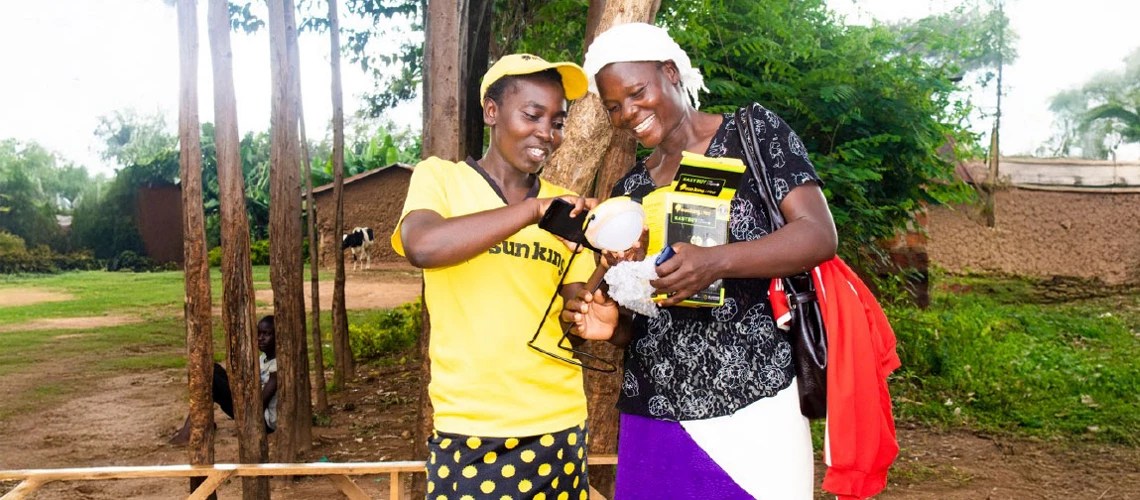
The extraordinary lack of energy in Africa–affecting about 300 million women-has profound effects on women’s economic opportunities. Women are already disproportionately affected by energy poverty, especially in rural areas. On average, women and girls spend 50 hours a week just fetching firewood, cooking, and collecting water. That’s 50 hours spent on subsistence, not on growing a business, pursuing education, or improving their health. In fact, 900 million African women and girls who lack access to clean cooking technology suffer from smoke inhalation-related diseases. That’s a huge barrier to their health, education, and economic potential.

Continue reading

#CommitToLife: How the World Bank is advancing road safety at a critical juncture

As the world approaches the midpoint of the United Nation’s Second Decade of Action for Road Safety (2021-2030), the urgency to meet the goal of halving road traffic fatalities and serious injuries by 2030 is ramping up. This target, embedded within the UN’s Sustainable Development Goals (SDG 3.6), reflects a global commitment to addressing one of the most preventable yet persistent public health crises of our time. Road crashes claim nearly 1.2 million lives each year—around 3,300 every day—with children and young people disproportionately affected.

Continue reading

Securing water for all: The power of partnership

What would a day without water look like?

No drink to quench your thirst, no water to cook or clean, and no shower to freshen up. The list of inconveniences is long and, for a lot of us, unimaginable.

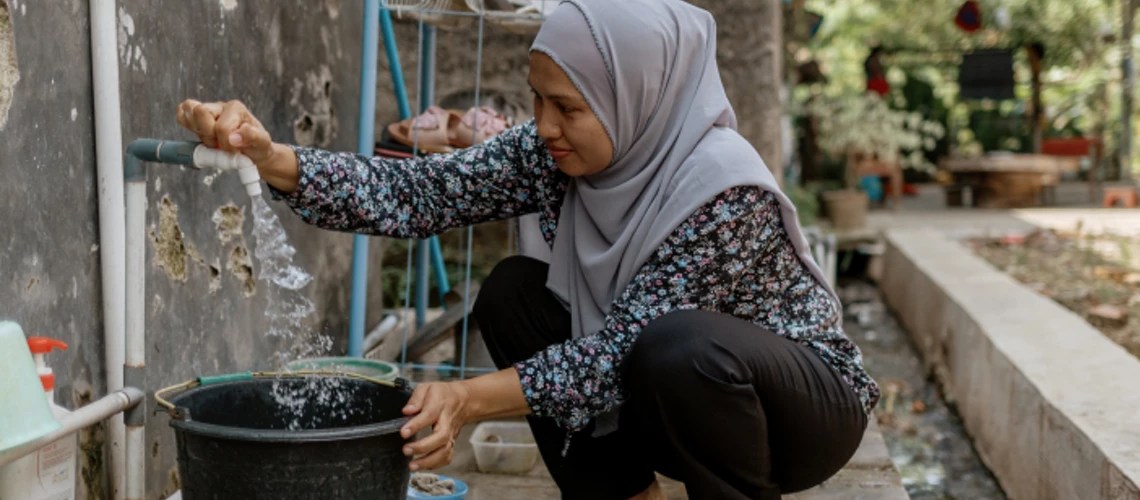
Water is fundamental to life. Yet, millions around the world still lack access to safely managed drinking water and sanitation. For many—especially girls and women in rural areas—this often means walking long distances to fetch water, missing out on education, or skipping school altogether due to lack of proper sanitation facilities. Addressing this crisis has never been more urgent, especially as climate change continues to deepen its impact. Among the top six risks of multidimensional poverty identified by the World Bank, lack of sanitation and safe drinking water remain alarmingly prominent, particularly in low-income countries receiving support from the International Development Association (IDA).

Continue reading

Supporting Countries to Achieve Better Procurement and Development Outcomes

Operational procurement is a crucial part of the World Bank’s efforts to become a Better Bank and fulfill our mission. Effective procurement enables our clients to achieve value for money, transparency, efficiency, and fairness in Bank-financed operations. By setting quality standards in international procurement, we respond to our clients’ needs by driving market innovation, attracting top suppliers, expanding options, and fostering global competition to deliver development outcomes with speed.

Starting March 1, 2025, the World Bank will introduce a range of measures aimed at delivering better outcomes in procurement under Investment Project Financing. These new requirements reflect extensive feedback from our clients and the business community and demonstrate our commitment to modern procurement practices. First, we will require a 50 percent minimum quality weighting for most internationally competitive procurement. Second, for contracts with an estimated value over $10 million, early market engagement will be an integrated part of our processes to attract high-caliber bidders and optimize procurement strategies. Third, we will collaborate with clients to aggregate smaller contracts into larger packages and offer direct payment options to reduce supplier payment risks.

Training programs on these new approaches will be provided to clients and World Bank staff. We will also increase our support, oversight, and scrutiny of project procurement strategies, market engagement approaches, rated criteria, quality weightings, and related procurement actions.

To align with this new mandate and to support implementation, we have published:

We look forward to working together and remain committed to modern, fair, and transparent procurement processes that lead to better development outcomes for people in our client countries.

Powering Africa: The Transformational Impact of Regional Energy Projects in West Africa

Results Highlights

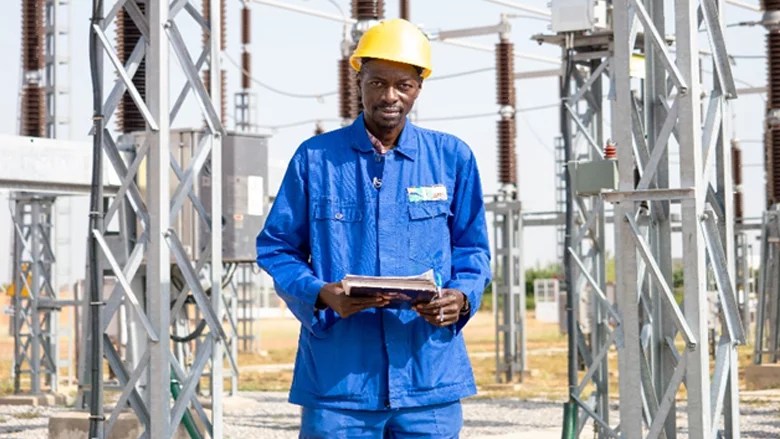
  • The construction of a 1,303 km 225 Kilovolt (kV) transmission line connecting the electricity grids of Côte d’Ivoire, Guinea, Liberia, and Sierra Leone (CLSG) has facilitated cross-border electricity trade and delivered affordable, renewable, and abundant electricity to approximately 2.8 million people across Guinea, Liberia, and Sierra Leone. This initiative has also contributed to a reduction in greenhouse gas emissions, amounting to about 13.8 million tons of CO2.
  • A newly built 228 km 225 kV transmission line connecting Kayes in Mali and Tambacounda in Senegal has significantly improved electricity supply and access for 404,000 people in Mali, Mauritania, and Senegal.
  • The Gambia River Development Organization (OMVG) Interconnection has helped improve access to clean, lower-cost, and more reliable electricity service for more than 2.5 million households and businesses, equivalent to 15 million beneficiaries in Guinea, Guinea-Bissau, Senegal and The Gambia.
  • The construction of a 913 km 330/225 kV transmission line connecting Benin, Burkina Faso, Niger, and Nigeria under the North Core Interconnection project is expected to successfully deliver 600 MW of affordable, renewable, and abundant electricity to Niger, Burkina Faso, Benin, and Togo, and provide rural electrification to approximately 1.2 million people across Niger and Burkina Faso.
Continue reading

Raising female employment in South Asia, one step at a time

South Asia’s female labor force participation today remains among the lowest in the world: More than 400 million working-age women in the region are outside of the labor force, which constitutes a significant output loss. South Asia’s working women face supply-side and demand-side obstacles, as well as unfavorable social norms.

Continue reading