

NL4WorldBank March edition of the newsletter is out!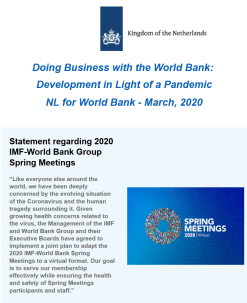
The newsletter ‘Development in Light of a Pandemic‘ headlines with the cancellation of the IMF and World Bank Group Spring Meetings. “Out of precaution World Bank Group events up to May have either been postponed or cancelled. We are still unclear on how the World Bank Group will proceed with events after May. In this blog post we selected the largest event messaging concerning COVID-19, The events include: 2020 IMF/World Bank Group Spring Meetings, Fragility Forum 2020, and the Land and Poverty conference.”

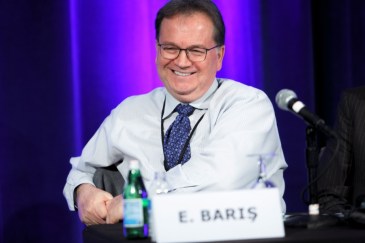 and media on the hitherto unknown COVID-19. Rightfully so, as we now have an outbreak with more than 100,000 cases confirmed globally.
 life and has been recognized for what it is—a
  cancelled. We are still unclear on how the World Bank Group will proceed with events after May. In this blog post we selected the largest event messaging concerning COVID-19, The events include:
  into water and sanitation subsidies but all too often that funding doesn’t flow to those who need it most. However, subsidies can be powerful and progressive tools in delivering water and sanitation when they are designed in smart and targeted ways and implemented effectively.
 technical solutions for Chin State by hiring an international consulting firm to prepare a hazard and vulnerability assessment for road rehabilitation to inform planned investments under the Myanmar Floods and Landslides Emergency Recovery Project in Chin State in Myanmar. The overall objective of the assignment is to contribute to the increase of capacities of the relevant ministries and agencies of the Government of Myanmar in the adoption of appropriate natural hazard assessment approaches in designing transport and infrastructure. The activity will (i) help provide technical solutions on geohazards specifically for Kalay Hakha road, based on an assessment of hazards; (ii) draw out lessons along the above process, including data gaps and recommend technical and monitoring solutions for improvement; (iii) and provide capacity building for the Ministry of Construction on this practice. The assignment is expected to be completed within the period of an estimated six months upon mobilization.
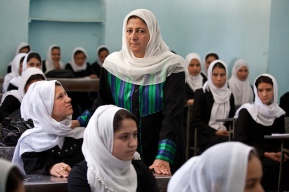
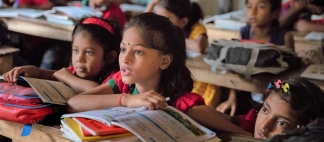 increasingly entering the labor force and leading businesses. Although we should celebrate this progress, much work remains in order for a girl born today to have the same opportunities as a boy.
 competitively selected women-owned SMEs in high-tech sector in three regions. It will consist of a mix of individual and group mentoring, coaching and technical advisory aimed to improve business skills, investment readiness, and soft skills (negotiation, confidence, pitching, and so on) of beneficiaries as well as access to larger business networks and funding. The program will also include a series of networking events, aimed at expanding women-owned SMEs linkages to financial institutions and new business networks. Particular focus will be placed on creating links between women-owned SMEs and (1) financial institutions to address accessing to finance constraints; and (2) large firms/corporates to facilitate women integration in supply chains and access to business networks. The expected impact is the improved performance of women entrepreneurs in terms of revenue, funding obtained, jobs created.

You must be logged in to post a comment.