As we cross the halfway point of 2025, mounting headwinds are slowing down global trade. A decade-long rise in trade restrictions has been supercharged by sharp tariff hikes and retaliatory measures from major economies over the past three months. Although some of these measures have since been rolled back and fresh negotiations are underway, businesses are still navigating choppy waters—including elevated policy uncertainty, stretched supply chains, and the ever-present threat of new barriers. In the face of this, we explore how these headwinds will likely reshape trade growth this year and next, identify the most critical risks ahead, and highlight the bright spots that could help steady the ship.
Continue readingTag Archives: Zakendoen
World Bank Opens 2026 Funding Year with GBP 1.5 Billion 5-Year Benchmark
WASHINGTON, D.C., July 7, 2025 – The World Bank (International Bank for Reconstruction and Development, IBRD, Aaa/AAA) today priced a 5-year British pound sterling (GBP) benchmark maturing in October 2030. The Sustainable Development Bond raised GBP 1.5 billion from investors globally to support the financing of the World Bank’s sustainable development activities in member countries.
Continue readingReinventing Rice as Countries Cultivate Change
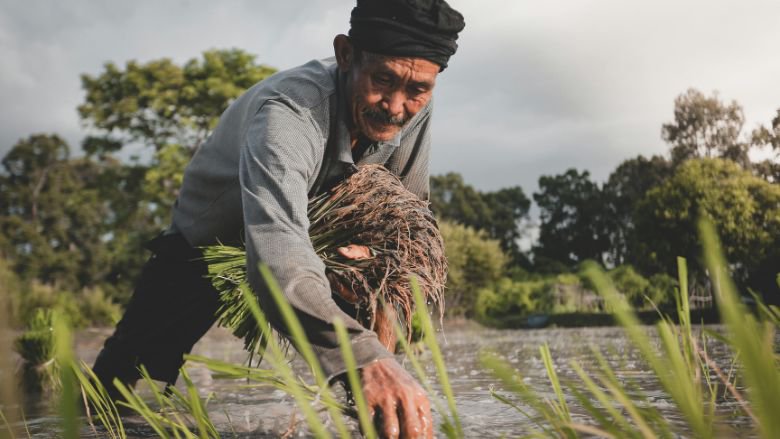
Rice feeds over half of the world’s population and sustains 144 million people—80 percent of them smallholder farmers. With a projected 30 percent surge in demand by 2050, the rice industry will only grow in importance. But the crop’s vulnerability to climate change and slowing productivity gains, its environmental footprint, and its limited nutritional value make it clear that business as usual is no longer an option.
Many rice-producing countries are already taking this challenge seriously—introducing reforms, innovations, and investments to bring the sector into a new era of higher returns, lower emissions, and better nutrition.
Continue readingGlobal Economy Faces Trade-Related Headwinds
The global economy is facing substantial headwinds, emanating largely from an increase in trade tensions and heightened global policy uncertainty. For emerging market and developing economies (EMDEs), the weak outlook limits their ability to boost job creation and reduce extreme poverty. This challenging context is compounded by subdued foreign direct investment into EMDEs. Global cooperation is needed to restore a more stable global trade environment and scale up support for vulnerable countries, including those in fragile and conflict situations. Domestic policy action is also critical to contain inflation risks and strengthen fiscal resilience. To unlock job creation and long-term growth, reforms should focus on raising institutional quality, attracting private investment, and strengthening human capital and labor markets.
Harnessing the private sector for better development data
Data is at the heart of development, powering the decisions and investments that help to reduce poverty and build a sustainable future. Yet most national statistical systems in low- and middle-income countries are under-resourced and ill-equipped to provide the timely, granular, and policy-relevant data needed for sound decision-making. Traditional surveys, which are often cross-sectional, infrequent, and costly, struggle to keep up with the blistering pace of economic and social change.
Continue readingHow the World Bank is tackling the growing global waste crisis
Every year, the world produces over two billion tonnes of municipal waste, a figure expected to rise by 73 percent to nearly four billion tonnes by 2050. Managing this surge will be a major investment and policy challenge for cities in low- and middle-income countries.
Continue readingImproving Transport Connectivity for Food Security in Africa
Download Now
Despite increasing food production over the past three decades, 58% of Africans remain food insecure. Transport is an often-overlooked contributor to this challenge. Poor transport connectivity, failures at critical ports and border crossings, and high trade costs create long food supply chains that fail to reliably get staple products to people.
Continue readingHow Electricity is Powering Value Addition in Tanzania’s Villages
STORY HIGHLIGHTS
- Where villagers once struggled with basic tools and meager earnings, they now use modern electric machinery to create valuable finished products.
- From increased rice production and reduced transportation costs, to booming sunflower oil businesses, access to reliable power is boosting local economies.
- Tanzania is bringing its vision of universal electrification to reality with support from a $550 million International Development Association investment.
WBG Procurement Opportunities
Interested in Doing Business with the World Bank Group? Please see selected opportunities
below.
Procurement Framework and Regulations for Projects After July 1, 2016 (worldbank.org)
Eugene Rhuggenaath: New Executive Director at the World Bank Group
Eugene Rhuggenaath took up his function as Executive Director at the World Bank Group representing the Constituency of Armenia, Bosnia & Herzegovina, Bulgaria, Croatia, Cyprus, Georgia, Israel, Macedonia, Moldova, Montenegro, The Netherlands, Romania, and Ukraine on November 1, 2023. At the Board of Executive Directors, Mr. Rhuggenaath serves on the Audit Committee, the Human Resources Committee and Ethics Committee.
Continue reading


You must be logged in to post a comment.