
World Bank Strengthening Gender Statistics project is partnering with National Statistical Offices in twelve IDA-19 countries to support the production of gender data in the economic domain.
Continue reading
Tag Archives: World Bank
What You Need to Know About Oceans and Climate Change
Oceans play a critical role in regulating the climate, but how healthy are our oceans today and what kind of impact is climate change having? We sat down with Charlotte De Fontaubert, Global Lead for the Blue Economy at the World Bank, to learn about the state of our oceans and what the World Bank is doing to help keep them healthy and productive.
and what kind of impact is climate change having? We sat down with Charlotte De Fontaubert, Global Lead for the Blue Economy at the World Bank, to learn about the state of our oceans and what the World Bank is doing to help keep them healthy and productive.The Fragility Forum 2022 is committed to peace and development in the midst of new and intensifying crisis
Over the last two years the world has been on edge, with serious implications for the most fragile economies.
Fragility and conflict risks are also on the rise in middle-income countries. Our most recent economic forecast indicates that, by 2023, the output of fragile and conflict-affected countries will be 7.5 percent below pre-pandemic levels. This is well below prospects in emerging and developing countries at large. For the most vulnerable, this means food insecurity, extreme poverty, loss of human capital and fewer economic opportunities in addition to the threat of violence and forced displacement.
Five threats to equitable and inclusive recovery from COVID-19: Evidence from East Asia and Pacific
Nearly two years into the COVID-19 pandemic, the World Bank’s High-Frequency Phone 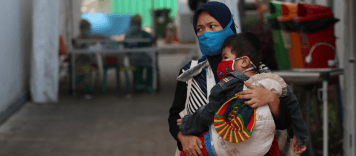 Surveys (HFPS) in the East Asia and Pacific (EAP) Region show that poorer households have been disproportionately affected and have been slower to recover. Findings from the HFPS reported in the recent EAP Economic Update and a new regional study show that inequality has likely been exacerbated in several dimensions.
Solidarity with the poorest countries: A renewed commitment to recovery
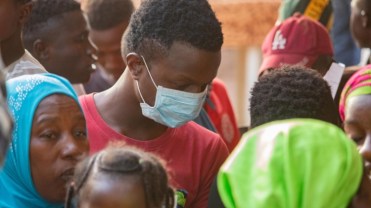 A few weeks ago, the international community agreed to a record $93 billion financing package for the world’s poorest countries. This support will be delivered through the World Bank’s International Development Association (IDA) over the next three years, starting in July.
Climate change and poverty: the perfect storm
We often hear that climate change disproportionately impacts the poor and the scenarios are worrisome. For example,
Beneath this alarming headline, we know that climate-related losses will fluctuate across time and geographies. Impacts on people will be as varied and specific as household income sources and consumption patterns.
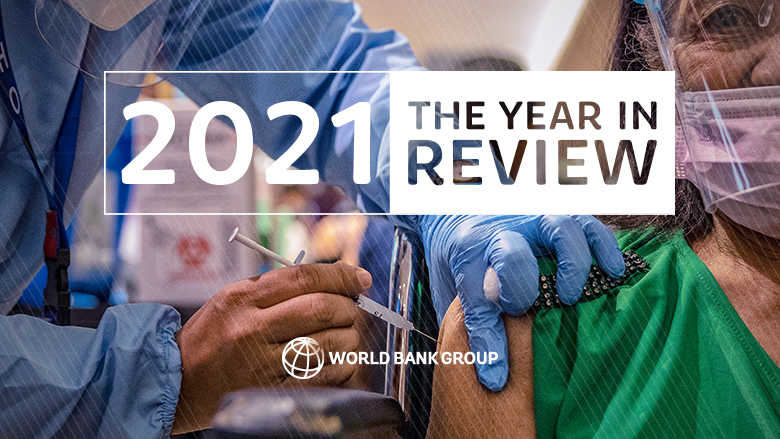
How the World Bank Delivered COVID Vaccines in East Asia and the Pacific
STORY HIGHLIGHTS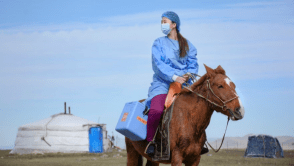
- The World Bank has provided US$1.44 billion to support the purchase and distribution of COVID-19 vaccines, tests, and treatments in the East Asia and the Pacific (EAP) region, especially for the poor and vulnerable.
- Strong partnerships and flexible financing approaches have helped countries ramp up their vaccination programs while investing in health, education, and social protection to ensure a more resilient future.
- Based on the current pace of vaccination and availability of vaccines to EAP countries, most will achieve at least 70% coverage by mid-2022.
We are losing a generation: The devastating impacts of COVID-19
But unless they get all children and young people back to school, keep them in class, and recover the central elements of learning, this generation could lose twice or three times that amount in earning losses.
The first impact was the millions of lives lost due to the disease caused by the COVID 19 virus. The second was the human suffering caused by job instability and poverty. The third is on children and youth who should have been in school but were told to stay at home.
2021 Year in Review in 11 Charts: The Inequality Pandemic
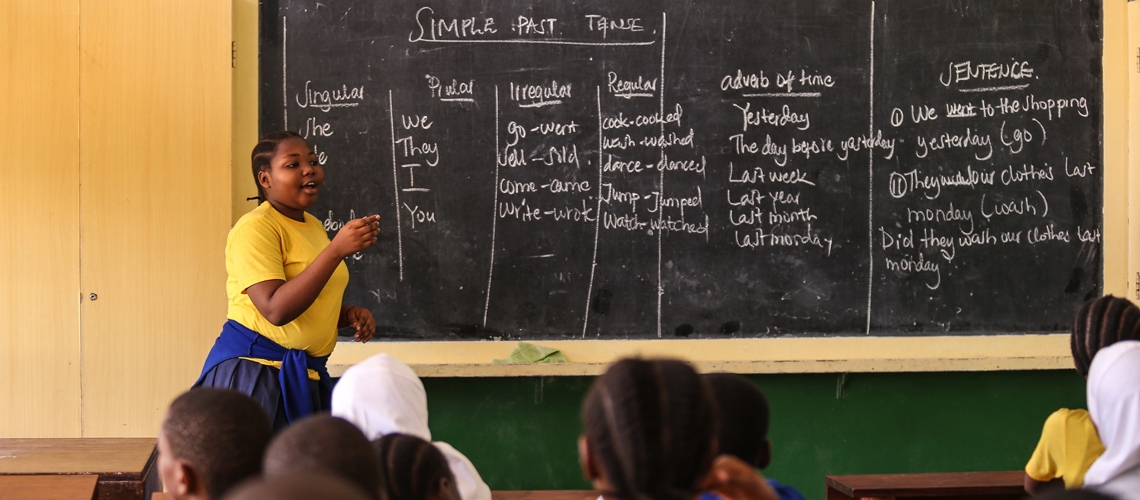
Reversing the pandemic’s education losses
When schools around the world moved online due to COVID-19, children in
developing countries suffered the most. Even though digital learning does not produce the same outcomes as in-person education, technology used effectively can close educational gaps and prevent learning loss.
 Netherlands for the World Bank
You must be logged in to post a comment.