
Tag Archives: World Bank Group
Spring Meetings 2026 | Unlocking Women’s Economic Power
How can increasing women’s economic participation help create more and better jobs?
Expanding women’s access to jobs, finance, and digital tools can increase labor force participation, support business growth, and drive job creation at scale. When women can manage economic risks, connect to markets, and access capital, they contribute directly to stronger and more inclusive economic growth.
The World Bank Group works with countries and partners to strengthen the systems that enable women’s economic participation—such as social protection, digital inclusion, and access to capital. Together, these pathways help women build resilience, participate fully in the economy, and grow enterprises that generate jobs.
This discussion explores progress toward the World Bank Group’s 2030 ambitions, the barriers that remain, and what it takes to scale impact. It also highlights how coordinated action across policy, institutions, and investment can accelerate women’s economic inclusion and support sustainable job creation.
“Credit: World Bank Group. All rights reserved”
Spring Meetings 2026 | How Electricity Access Supports Jobs and Growth Worldwide
World Bank Group and IMF to Hold 2029 Annual Meetings in Abu Dhabi, United Arab Emirates
New global platform aligns country reforms, financing, and partnerships to scale delivery
WASHINGTON, April 15, 2026—The World Bank Group, in partnership with multilateral development banks, development finance institutions and key partners, today launched Water Forward, a global platform to help improve water security for 1 billion people by 2030. The platform will align policy reforms, financing, and partnerships to expand reliable water services and strengthen systems against droughts and floods—essential conditions for job creation.
Continue readingJoint Statement by the Heads of the International Energy Agency, International Monetary Fund, and World Bank Group
Washington, D.C.: The Heads of the International Energy Agency, International Monetary Fund, and World Bank Group met today as part of the coordination group they established in early April to maximize their institutions’ response to the energy and economic impacts of the war in the Middle East. At the end of their meeting, they issued the following statement:
“As we noted earlier this month, the impact of the war is substantial, global, and highly asymmetric, disproportionately affecting energy importers, in particular low-income countries. The shock has led to higher oil, gas and fertilizer prices, triggering concerns about food security and job losses as well. Some oil and gas producers in the Middle East have also seen a dramatic loss of export revenue.
The situation remains very uncertain, and shipping through the Strait of Hormuz is yet to normalize. Even after a resumption of regular shipping flows through the Strait, it will take time for global supplies of key commodities to move back towards their pre-conflict levels—and fuel and fertilizer prices may remain high for a prolonged period given the damage to infrastructure. Due to supply disruptions, shortages of key inputs are likely to have implications for energy, food, and other industries. The war has also forcibly displaced people, impacted jobs, and reduced travel and tourism, which may take time to reverse.
Today, we shared our latest assessments, ahead of the release this Tuesday, April 14, of the IEA’s monthly Oil Market Report and IMF’s World Economic Outlook. We also discussed the situations of the countries most affected by the shock as well as the responses by our institutions. Our teams are working closely, including at country level, to leverage our respective expertise and help countries through tailored policy advice and, in the case of the IMF and World Bank, financial support where needed.
We will continue to monitor closely and assess the impact of the war on energy markets, the global economy and individual countries, and to coordinate our response and support to our member countries—working with, and drawing on, other international organizations’ expertise as needed to lay the foundations for a resilient recovery that delivers stability, growth and jobs.”
“Credit: World Bank Group. All rights reserved”
World Bank Group Launches Initiative to Improve Water Security for 1 Billion People
New global platform aligns country reforms, financing, and partnerships to scale delivery
WASHINGTON, April 15, 2026—The World Bank Group, in partnership with multilateral development banks, development finance institutions and key partners, today launched Water Forward, a global platform to help improve water security for 1 billion people by 2030. The platform will align policy reforms, financing, and partnerships to expand reliable water services and strengthen systems against droughts and floods—essential conditions for job creation.
Continue readingTo turn demographic growth into jobs, get the rules right
The world is entering a decade defined by two hard realities: a historic demographic surge and tighter public finances.
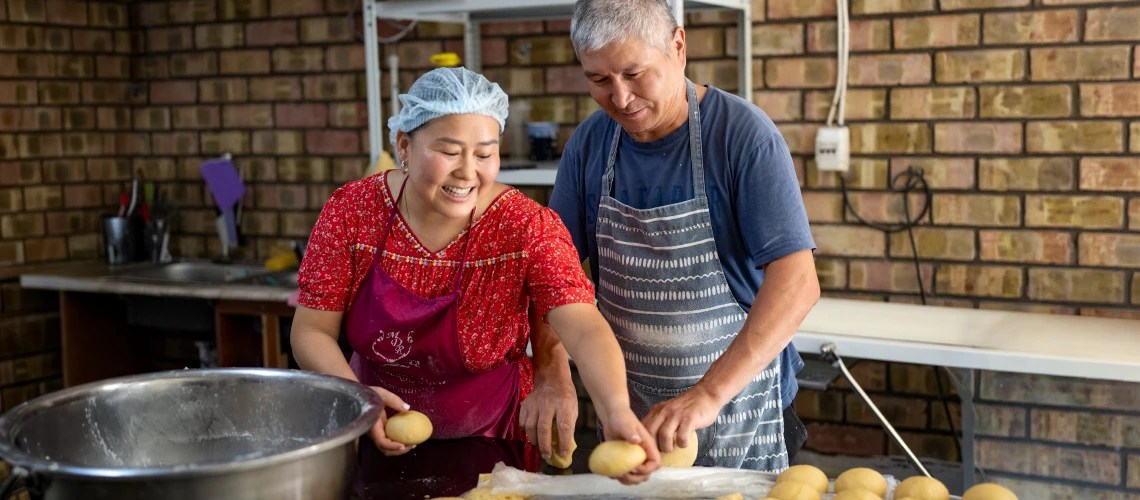
Yet current projections suggest that far fewer jobs will be created. The gap is large — and it is growing. It’s exacerbated with every shock — conflict, natural disasters, and economic volatility.
Continue readingSpring Meetings 2026 | How Digital Health and AI Can Expand Access to Care at Scale
Portfolio of Guarantees Pushes MIGA’s Total Issuance over $100 Billion
Guarantees to AMEA Power would support up to 23 renewable energy and battery storage projects in countries across Africa, the Middle East, and Central Asia.
Washington, April 9, 2026 – The Multilateral Investment Guarantee Agency (MIGA), home of the World Bank Group Guarantee Platform, has signed a framework agreement with AMEA Power, Ltd. to support a portfolio of guarantees of up to 23 renewable energy and battery storage projects—including onshore wind power plants, solar photovoltaic power plants, and battery energy storage systems—across countries spanning Africa, the Middle East, and Central Asia.
Continue readingJoint Statement by the Heads of the International Monetary Fund, the World Bank Group and the World Food Programme
Washington, D.C.: The Heads of the International Monetary Fund (IMF), the World Bank Group (WBG) and the World Food Programme (WFP) met to discuss the global economic and food security impacts of the war in the Middle East. They issued the following statement:
Continue reading

You must be logged in to post a comment.