Interested in Doing Business with the World Bank Group? Please see selected opportunities below.
Procurement Framework and Regulations for Projects After July 1, 2016 (worldbank.org)

Interested in Doing Business with the World Bank Group? Please see selected opportunities below.
Procurement Framework and Regulations for Projects After July 1, 2016 (worldbank.org)
It is hard to imagine that a year has passed since Russia invaded Ukraine causing widespread devastation and suffering in the country and rattling the world economy. As a result of the invasion, With rising numbers of housing units severely damaged, hospitals and schools destroyed, thousands of Ukrainians are spending these tough winter months amid frequent electricity and heating disruptions. I saw this first hand when I visited Ukraine back in November.
Nina, a middle-aged woman from Chernihiv, Ukraine, was experiencing shortness of breath and could barely walk.
“I would walk two meters and didn’t have the strength anymore. Now, it’s easier to breathe,” says Nina.
Nina’s heart problems were appropriately diagnosed, and she received care at the Chernihiv Oblast Hospital in the fall of 2022.
Environmental degradation, illegal wildlife trade, and human-wildlife conflict undermine development and pose significant risks to health, climate change adaptation, peace and security. They weaken natural resource management and result in economic losses for communities that rely on wildlife and ecosystems. There are multiple approaches to mitigate these threats, but they are often gender blind when they should be gender equal. Illegal wildlife trade exists in the same gendered social spheres as everyday life. Are male poachers simply meeting livelihood needs, or are they also enacting masculinized expectations?
Interested in Doing Business with the World Bank Group? Please see selected opportunities below.
Procurement Framework and Regulations for Projects After July 1, 2016 (worldbank.org)
Pandemic Damaged Cognitive Development and Lifetime Earnings of Children and Youth, Jeopardizing the Well-being of Generations and Growth of Economies
WASHINGTON, Feb. 16, 2023 – The COVID-19 pandemic caused a massive collapse in human capital at critical moments in the life cycle, derailing development for millions of children and young people in low- and middle-income countries, according to the first analysis of global data on young people who were under the age of 25 at the onset of the pandemic.
Application Process Kicks Off
Washington, Feb. 3, 2023 — The Pandemic Fund Governing Board approved $300 million in financing for its first round of funding to help developing countries better prepare for and respond to future pandemics. The Fund is also inviting interested eligible countries and Implementing Entities to submit Expressions of Interest (EOI) for potential projects to be supported by this initial funding.
Interested in Doing Business with the World Bank Group? Please see selected opportunities below.
Procurement Framework and Regulations for Projects After July 1, 2016 (worldbank.org)
It’s easy to see how international trade contributes to climate change. The ships, trucks, and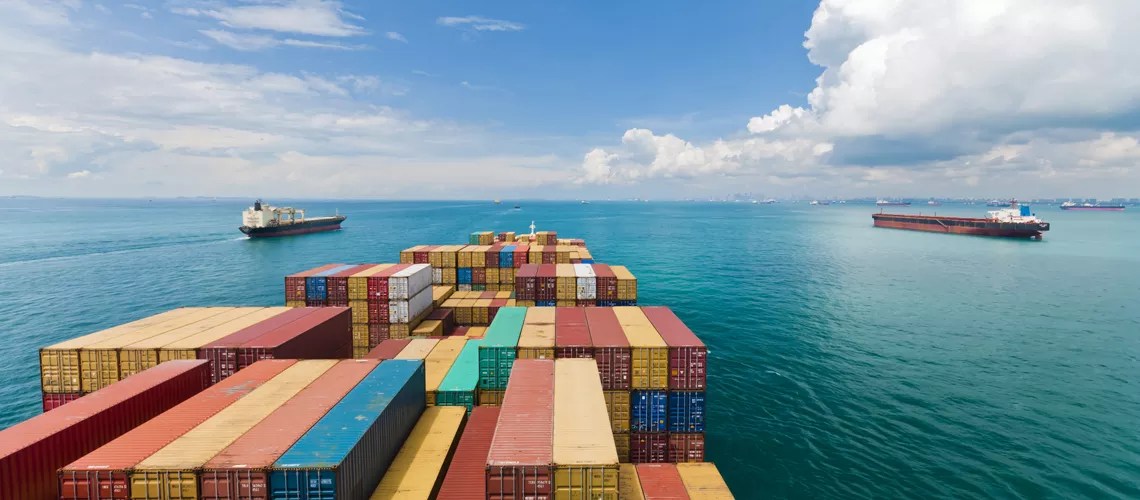 planes that move goods around the world contribute to greenhouse gas emissions. And the production of goods that are traded internationally – from foods like wheat and corn to goods like steel and cement – are also sources of emissions. All told,


You must be logged in to post a comment.