
Since 2006, The World Bank’s annual Country Policy and Institutional Assessment (CPIA) Report has been a guide for countries, policymakers, and investors, identifying key trends and best practices that support effective public service delivery and foster a more resilient and prosperous future for Sub-Saharan Africa (SSA). The CPIA is an annual diagnostic tool for SSA countries eligible for financing from the International Development Association (IDA), the part of the World Bank that helps the world’s low-income countries by providing grants and low to zero-interest loans for projects and programs that boost economic growth, reduce poverty, and improve people’s lives. The CPIA Report aims to capture the quality of each country’s policies and institutional arrangements, focusing on the elements within the country’s control. The scores are designed to assess sustainable growth and poverty reduction. The CPIA provides scores for each country, and an overall regional score, on a scale of 1 (lowest) to 6 (highest) in four clusters: economic management, structural policies, social inclusion and equity policies, and public sector management and institutions. The scores inform governments of the impact of each country’s efforts to support inclusive growth and poverty reduction, and the overall score helps determine the size of the World Bank’s concessional lending and grants to low-income SSA countries. The report includes scores for IDA-eligible countries and acts as a touchstone for country monitoring and regional best practices.
Continue readingTag Archives: Wereldbank Groep
Bangladesh: Bold, Urgent Reforms Can Accelerate Inclusive Growth, Create Jobs
DHAKA, July 16, 2025—The World Bank Vice President for South Asia, Johannes Zutt, concluded his first official visit to Bangladesh today, reaffirming the World Bank’s continued commitment to help the country address its development priorities and to support the people of Bangladesh.
Continue readingSafer, Climate-Resilient Roads Set to Improve Lives of 13,000 people in Comoros
Washington, July 7, 2025—Comoros is set to rehabilitate 12 kilometers of climate-resilient roads, restoring vital connectivity and strengthening disaster resilience for 13,000 people in one of the country’s most cyclone-affected regions. Additional financing of $12.5 million through a grant from the World Bank Group’s International Development Association (IDA), will complete the critical Mtsangadjou–Foumbouni corridor, enhancing access and safety for vulnerable coastal communities.
Continue readingUnlocking Futures: How the IDA Private Sector Window Is Creating Jobs Where They Are Needed Most
STORY HIGHLIGHTS

- By leveraging IFC and MIGA business platforms, the IDA PSW creates an opportunity for the strategic use of public resources to catalyze private investment, making it possible for companies and industries to operate in high-risk, fragile, and conflict-affected settings.
- A total of $5.4 billion from the IDA PSW has catalyzed over $31 billion in commercial investments in low-income and fragile countries and is expected to create 3 million jobs, provide 4 million additional loans to micro, small, and medium-sized enterprises (MSMEs), and expand digital connectivity to 31 million subscribers.
- From agribusiness in Mozambique to telecom infrastructure in West Africa and clean water access in Haiti, IDA PSW-supported investments are building the ecosystems needed to sustain jobs, boost resilience, and spark inclusive economic growth.
Microfinancing Pakistan’s Women Entrepreneurs: A Chance for Jobs and a Better Life
Tracking SDG 7 – The Energy Progress Report 2025
Highlights

- In 2023, the number of new electricity connections outpaced population growth, increasing global access to electricity to 92%. While this means 19 million fewer people are without electricity compared to the previous year, 666 million people are still without power. In addition, this rate of growth is not fast enough to ensure universal access to electricity by 2030.
- 85% of the world’s population without electricity lives in Sub-Saharan Africa, up from 50% in 2010. In 2023, 35 million people in this region got electricity, but due to population growth, the number of people without electricity only decreased by 5 million, from 570 million in 2022 to 565 million in 2023.
- Most people without electricity live in remote areas, places facing conflict or violence, and low-income regions, making it hard to expand the electricity grid. However, new technologies and business models for decentralized renewable energy (DRE) – such as solar home systems and solar mini grids- offer flexible solutions for these areas. These solutions are expected to help over 561 million people worldwide in 2023, and they provided 55% of new electricity connections in Sub-Saharan Africa from 2020 to 2022.
Global trade has remained resilient so far, but a sharp slowdown is underway

As we cross the halfway point of 2025, mounting headwinds are slowing down global trade. A decade-long rise in trade restrictions has been supercharged by sharp tariff hikes and retaliatory measures from major economies over the past three months. Although some of these measures have since been rolled back and fresh negotiations are underway, businesses are still navigating choppy waters—including elevated policy uncertainty, stretched supply chains, and the ever-present threat of new barriers. In the face of this, we explore how these headwinds will likely reshape trade growth this year and next, identify the most critical risks ahead, and highlight the bright spots that could help steady the ship.
Continue readingThe world needs radical debt transparency

Over the past two decades, many developing countries have made remarkable progress in reducing poverty, expanding access to education and health care, and investing in infrastructure. These gains were the result of sound national policies and coordinated efforts by the international community, often financed through responsible borrowing.
Continue readingJobs: The Most Effective Pathway Out of Poverty
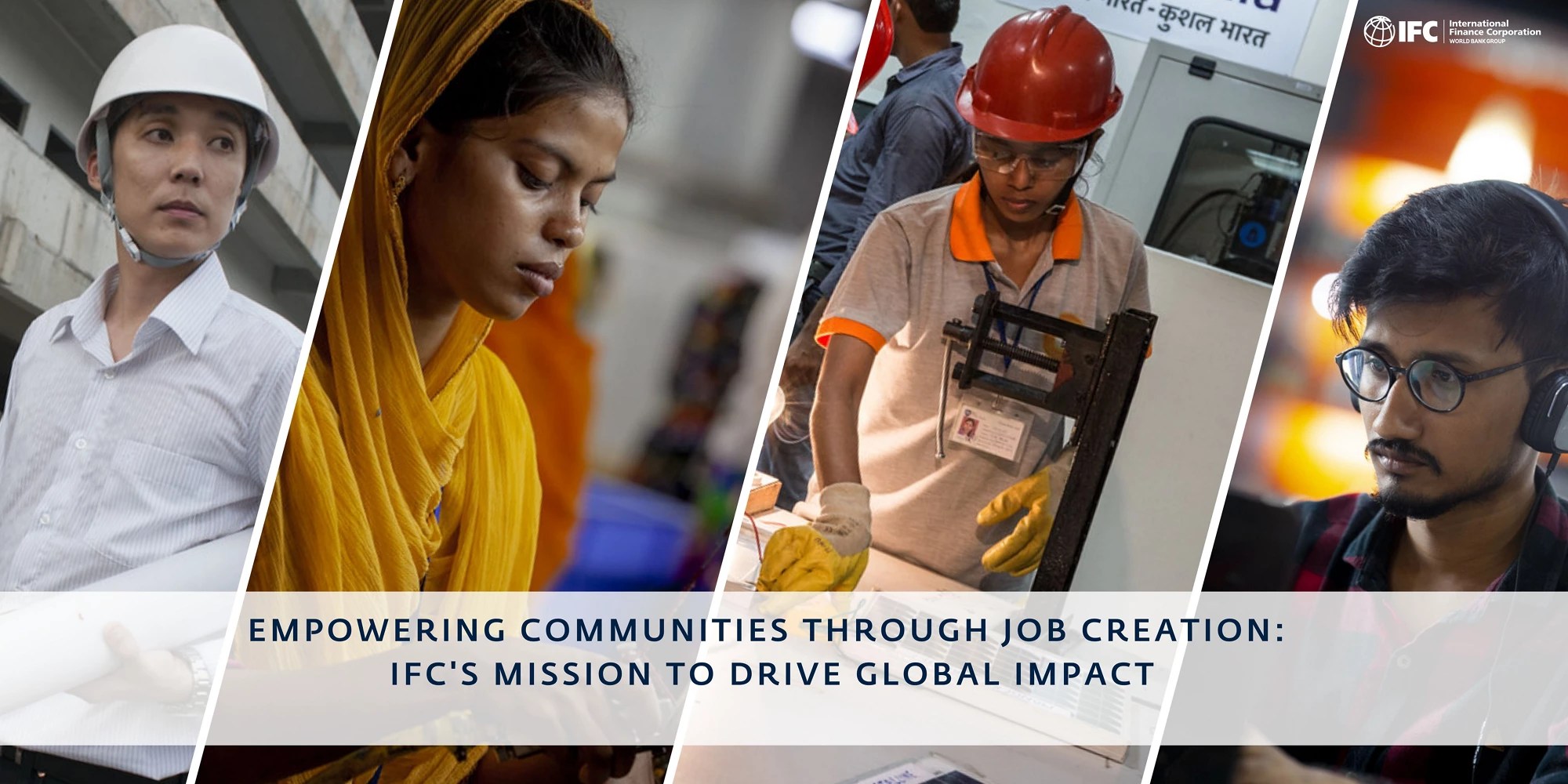
More than just a source of income, jobs provide dignity and purpose. Giving people the means to support themselves and their families can help lift entire communities out of poverty and foster economic stability.
Continue readingReinventing Rice as Countries Cultivate Change
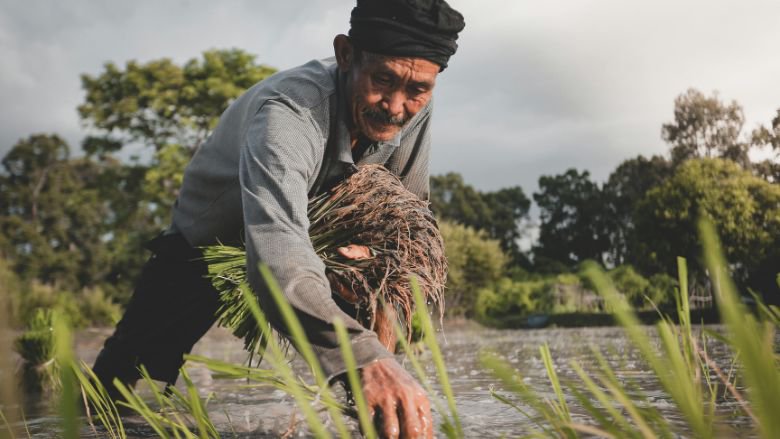
Rice feeds over half of the world’s population and sustains 144 million people—80 percent of them smallholder farmers. With a projected 30 percent surge in demand by 2050, the rice industry will only grow in importance. But the crop’s vulnerability to climate change and slowing productivity gains, its environmental footprint, and its limited nutritional value make it clear that business as usual is no longer an option.
Many rice-producing countries are already taking this challenge seriously—introducing reforms, innovations, and investments to bring the sector into a new era of higher returns, lower emissions, and better nutrition.
Continue reading Netherlands for the World Bank
You must be logged in to post a comment.