
Deadline: 19-Mar-2018 at 11:59:59 PM (Eastern Time – Washington D.C.) 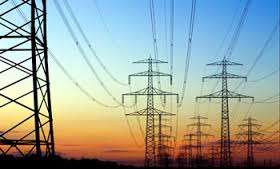
Objective: IFC is looking for a consulting firm (the Consultant) to support ZESCO in assessing the integration of variable renewable energy (VRE) into the power system of Zambia. ZESCO is a government-owned electricity utility in Zambia. The assignment aims to build the capacity of ZESCO in relation to the integration of VRE in order to: i) ensure the continued stability of the system as the penetration of variable renewable energy (VRE) increases and ii) ensure the efficient integration of VRE capacity. The scope of work will include a comprehensive review of ZESCO’s existing grid practices in order to determine the infrastructure and operational constraints that have to be addressed to facilitate the targeted levels of VRE penetration. The assignment also includes the identification and practical implementation of a range of measures and system upgrades. In addition, the assignment is to review and recommend improvements to the existing Grid Code for appropriateness for VRE integration.
 Deadline: 22-Mar-2018 at 11:59:59 PM (Eastern Time – Washington D.C.)
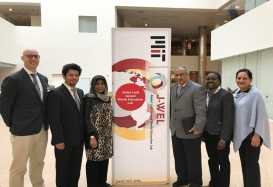 My nephew Reuben was born on December 9, 2017. Reuben is a member of generation Alpha, a cohort that is younger than smartphones, cryptocurrency, and synthetic human cells. Reuben was born in Australia only a few short months after Sophia became the first robot citizen of Saudi Arabia. Reuben will take his first steps in a pair of self-tying shoes to walk into a world of self-driving (
 Creating more and better jobs is central to our work at the World Bank and a shared goal for virtually all countries —developed and developing alike. But oftentimes the policy debate turns to the cost and effectiveness of programs and projects in creating jobs.
![medical-appointment-doctor-healthcare-clinic-health-hospital-medicine[7]](https://nl4worldbank.org/wp-content/uploads/2015/09/medical-appointment-doctor-healthcare-clinic-health-hospital-medicine7.jpg?w=288&h=192)


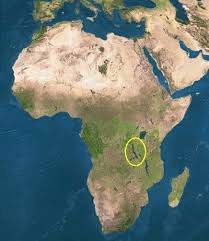
 For three days this month, the West African nation of Senegal was in the spotlight of global efforts to combat climate change and improve education in a rapidly changing world.


You must be logged in to post a comment.