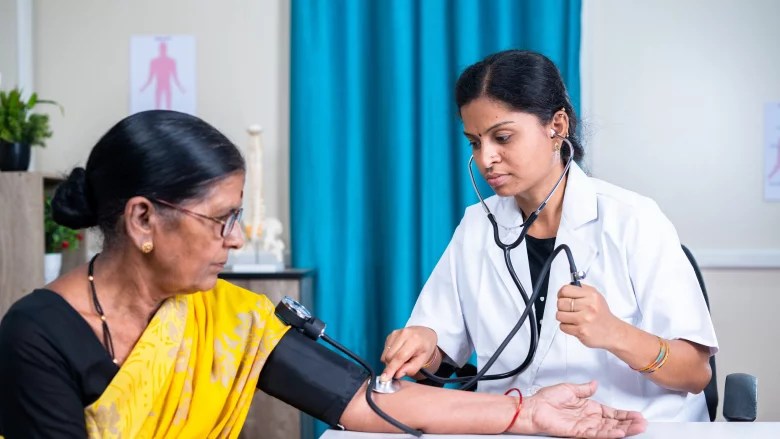
WASHINGTON, Oct. 23, 2025 — The World Bank’s Board of Executive Directors today approved a new program to improve the life expectancy and quality of life for 11 million elderly and vulnerable people in the state of Kerala through wider access to health coverage and resilient health systems.
Tag Archives: Wereldbank
Protect to prosper: How nature-based tourism drives jobs and growth
That selfie you took on an idyllic white sand beach, in a sprawling city park, or atop a mountain range at sunset? It’s more than just a photo of you. It reflects nature’s magnetic pull on people across the world and its role in fueling global tourism.
Continue readingDigital technology is driving the future of jobs
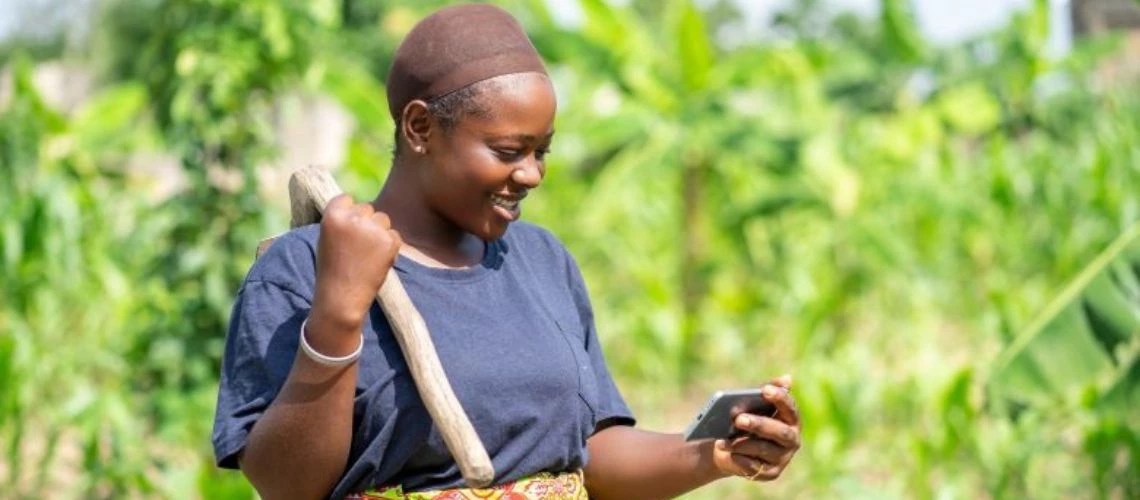
A farmer in Kenya uses mobile apps to get real-time harvesting tips, check market prices, and connect directly with buyers and lenders. A woman in Indonesia takes meal orders and arranges deliveries through social media. A small innkeeper in Jamaica lists rooms on booking platforms and manages reservations online. A street vendor in Dakar sells handmade jewelry across Africa using just her smartphone. And in Manila, a university student teaches math to high schoolers in remote areas via an online e-learning platform.
Continue readingTen years of progress and challenges: Insights into global child poverty
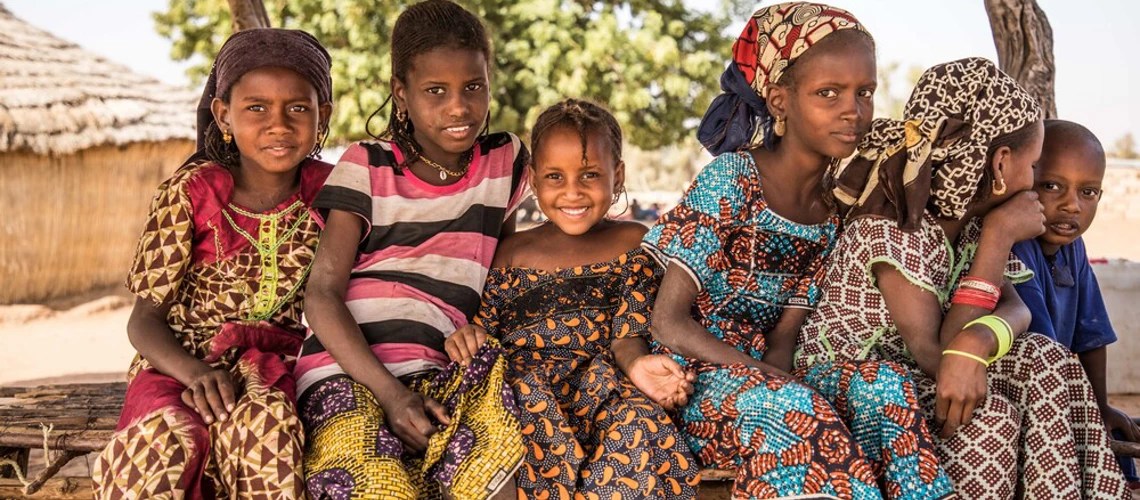
The past decade has seen slow but steady progress toward reducing the number of children who are living in extreme poverty worldwide. Yet despite this progress, children remain disproportionately affected by extreme poverty. They represent over half of the global population living on less than $3.00 per day, even though they make up only 30% of the total population.
Continue readingWhen we know we’re seen: How transparency nudges outcomes at the World Bank Group
Jorge Luis Borges once imagined an infinite library, a space housing every book ever written and every book that could ever be written. A man wanders through this library in search of truth, only to increasingly lose his way. Until one day, he discovers a cracked mirror behind a forgotten shelf and ultimately finds himself. He realizes that true insight emerges from self-reflection.
Continue readingThe world needs radical debt transparency
Over the past two decades, many developing countries have made remarkable progress in reducing poverty, expanding access to education and health care, and investing in infrastructure. These gains were the result of sound national policies and coordinated efforts by the international community, often financed through responsible borrowing.
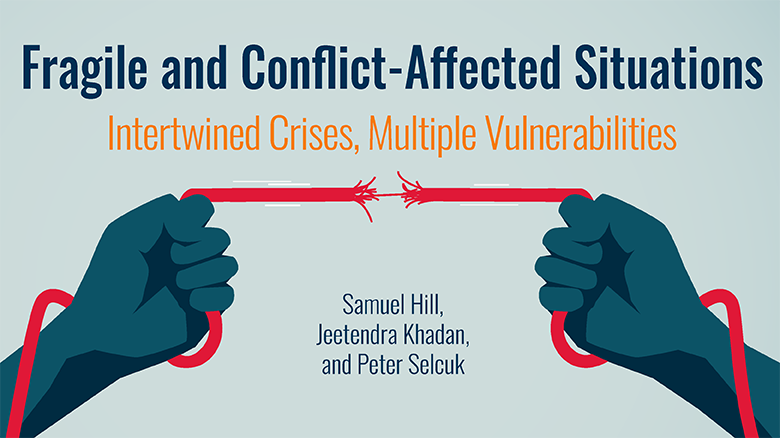
Continue readingFragile and Conflict-Affected Situations: Intertwined Crises, Multiple Vulnerabilities
Economies in fragile and conflict-affected situations (FCS) are burdened by weak institutions and are particularly vulnerable to overlapping shocks—including conflict, natural disasters, commodity price swings, and global downturns. Nearly three-quarters of FCS economies have remained classified as such for over a decade, highlighting the persistence of their challenges and underlying fragility. Limited fiscal space further constrains these economies from responding to shocks and investing in essential services such as education, health, and infrastructure.
Continue readingSlovenia Increases Contribution to World Bank’s IDA by 30%
The Radical Debt Transparency report—an update to 2021’s Debt Transparency in Developing Countries—shows that despite significant improvements in recent years, major debt transparency deficiencies continue to plague many developing countries. As the global financing environment tightens, several governments are turning to off-budget and increasingly complex debt instruments such as collateralized loans, private placements, and central bank swaps, that risk giving rise to new hidden debts. Gaps in legislative frameworks, institutional fragmentation, and limited oversight can contribute to debt reporting challenges, as seen in recent experiences. Transparency in debt restructuring processes also remains uneven. This report calls for a radical shift toward debt transparency as critical to debt sustainability, urging legislative reforms, stronger oversight of unconventional debt, broader loan-level reporting, and greater use of automation and reconciliation tools.
Harnessing the private sector for better development data
Data is at the heart of development, powering the decisions and investments that help to reduce poverty and build a sustainable future. Yet most national statistical systems in low- and middle-income countries are under-resourced and ill-equipped to provide the timely, granular, and policy-relevant data needed for sound decision-making. Traditional surveys, which are often cross-sectional, infrequent, and costly, struggle to keep up with the blistering pace of economic and social change.
Continue readingEugene Rhuggenaath: New Executive Director at the World Bank Group
Eugene Rhuggenaath took up his function as Executive Director at the World Bank Group representing the Constituency of Armenia, Bosnia & Herzegovina, Bulgaria, Croatia, Cyprus, Georgia, Israel, Macedonia, Moldova, Montenegro, The Netherlands, Romania, and Ukraine on November 1, 2023. At the Board of Executive Directors, Mr. Rhuggenaath serves on the Audit Committee, the Human Resources Committee and Ethics Committee.
Continue reading


You must be logged in to post a comment.