
Deadline: 13-Aug-2020 at 11:59:59 PM (Eastern Time – Washington D.C.)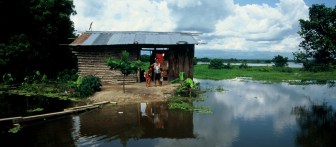
Indonesia is one of the most disaster-prone countries in the world, exposed frequently to a range of hazards. Floods dominate the natural hazard figures in most metropolitan areas, often accounting for almost half of all events occurred. Over sixty percent of Indonesias districts are exposed to a high risk of flooding, caused by a range of factors including rapid urbanization and poor construction practices; poor drainage design and insufficient (or infrequent) maintenance; increasing effects of climate change (e.g., sea level rise); and coastal infrastructure that needs upgrading. A balanced and cross-sectoral approach to urban flood risk management, encompassing both structural and non-structural measures and green infrastructure, is needed to address these challenges. Increased and systematic investments to reduce urban flood risk need to be integrated with urban development projects, as well as the institutionalization of a maintenance and improvements regime of urban drainage and flood infrastructure. Since 2018, the World Bank has been providing technical assistance to the government of Indonesia in support of a national urban flood resilience program that addresses the above.
 torrents of heavy rain and flooding major rivers. Records from a young monk who witnessed the floods describe a muddy wave destroying levees and sweeping through villages. As levees and rivers collapsed, floodwaters rose in Edo, Japan’s largest c
 San Salvador de Jujuy, Argentina, as part of the World Bank’s City Resilience Program. Specifically, the consultancy will focus in the Chijra River. The expected tasks include:
 Hodeidah. These cities are exposed to hazards such as coastal and urban floods, seismic activity, tsunamis, volcanoes and water scarcity.
 Netherlands for the World Bank
You must be logged in to post a comment.