
Recent studies highlighting the adverse impact of pollution on growth estimate that the annual 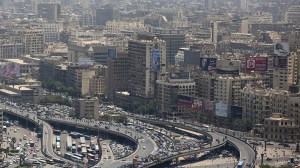 economic cost of air pollution on health in the Greater Cairo area alone is about 1.4 percent of Egypt’s Gross Domestic Product.
 economic cost of air pollution on health in the Greater Cairo area alone is about 1.4 percent of Egypt’s Gross Domestic Product.
Healthy citizens are the cornerstone of every country’s development and are integral for sustainable economic growth. Given the many health hazards of pollution—from cancer to respiratory ailments and much more—it is increasingly becoming recognized as an impediment to growth and development. Recent global efforts to minimize pollution, through initiatives such as the Sustainable Development Goals (SDGs) and The Paris Agreement, aim to set global guidelines for countries in order to reduce pollution.
 Management Authorities to save lives during natural disasters.
 Development Goal (SDG). It drives economic growth, helps ecosystems flourish, supports climate adaptation, and handwashing with water and soap is one of the most effective ways of slowing the transmission of COVID-19 (coronavirus).

 markets to invest in development projects. Through its arm for middle-income countries, the International Bank for Reconstruction and Development (IBRD), the World Bank Group funded public sector projects like roads, green energy, health or education systems; and through the International Finance Corporation (IFC), it provided capital to the private sector in developing countries to help businesses grow and provide jobs, taxes and other wider societal benefits.
 central to stunting reduction and early childhood survival, both identified by the World Bank’s Human Capital Index as critical for humans to develop their full potential. It is widely known that 4.5 billion people lacked access to safely managed sanitation in 2015, according to the Joint Monitoring Programme. Less well understood is that hundreds of millions more people in densely populated rural areas are exposed to significant health risk due to unsafely managed sanitation.
 signed an open letter, to the world community highlighting the need for greater investment in human capital – the knowledge, skills, and health that people accumulate throughout their lives – through better nutrition, health care, education, jobs and skills. The publication of the open letter coincided with the launch of the World Bank Group’s Human Capital Index – a simple but effective metric for human capital outcomes such as child survival, early hard wiring of children for success, student learning, and adult health. Philips has made a commitment to improve the lives of 3 billion people by 2030. We are working with the World Bank Group (among others) to reach this goal.
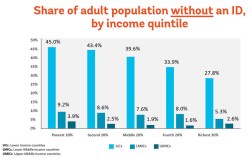 Peruvians, they left behind all of their possessions, including their IDs and other documents. Without an ID,
  Goals (SDGs). It helps us to focus policies and make better decisions. It is needed to set targets, measure progress towards those targets and to hold governments accountable to their commitments under the SDGs.
 Netherlands for the World Bank
You must be logged in to post a comment.