WASHINGTON/BERLIN, November 9, 2022 —The Global Alliance for Food Security (GAFS), jointly convened by the German Group of Seven (G7) Presidency and the World Bank Group, today launched the Global Food and Nutrition Security Dashboard as a key tool to fast-track a rapid response to the unfolding global food security crisis. Following a multi-stakeholder consultative process, the Dashboard is designed to consolidate and present up-to-date data on food crisis severity, track global food security financing, and make available global and country-level research and analysis to improve coordination of the policy and financial response to the crisis.
It will bring together disparate and vast information on food security into one place, to help reduce transaction costs, improve transparency, and strengthen analysis. It can also help speed up financing by highlighting funding needs and gaps. The goal is to inform a coordinated global food crisis response while also helping to advance medium to long-term food security interventions.
A global hunger crisis is being exacerbated largely by violent conflict, increasingly extreme weather events, and record high food prices. Quality data and transparent reporting have the potential to boost food and nutrition security – enhancing global cooperation and enabling the development of sound national policies.
“The development of the dashboard is an example for the strength and innovative power we can achieve when we join forces globally. It has become possible thanks to the excellent cooperation between many organizations and partner countries and the World Bank Group,” said Svenja Schulze, German Federal Minister for Economic Cooperation and Development, “The comprehensive data presented in the dashboard is key for a swift and coordinated political response to guarantee food security for countries and people. In order to get the food to where it is most needed, we need to get the necessary information to where they can be used most quickly and efficiently.”
The Dashboard will also help facilitate and disseminate forward-looking research and generate new knowledge on topics such as food security early warning analytics, soil fertility solutions for building resilience to fertilizer price and supply shocks, evaluating food security programming and policy response effectiveness, and strengthening national agricultural research and innovation systems.
“The food, energy and fertilizer crisis is taking a toll on developing countries. Creating resilient, sustainable food systems is vital for the planet and the economy to thrive,” said David Malpass, President of the World Bank Group, “The Global Food and Nutrition Security Dashboard is an important step to improve transparency in food and nutrition data and track financing by the international community to respond to the crisis. We appreciate the partnership with Germany’s G7 Presidency on this vital agenda.”
Contacts
WashingtonMeriem Gray
(202) 294-9606
mgray@worldbank.org
BerlinBMZ Press Office
+49 (0)30/18535-2451
presse@bmz.bund.de

 overall inflation in
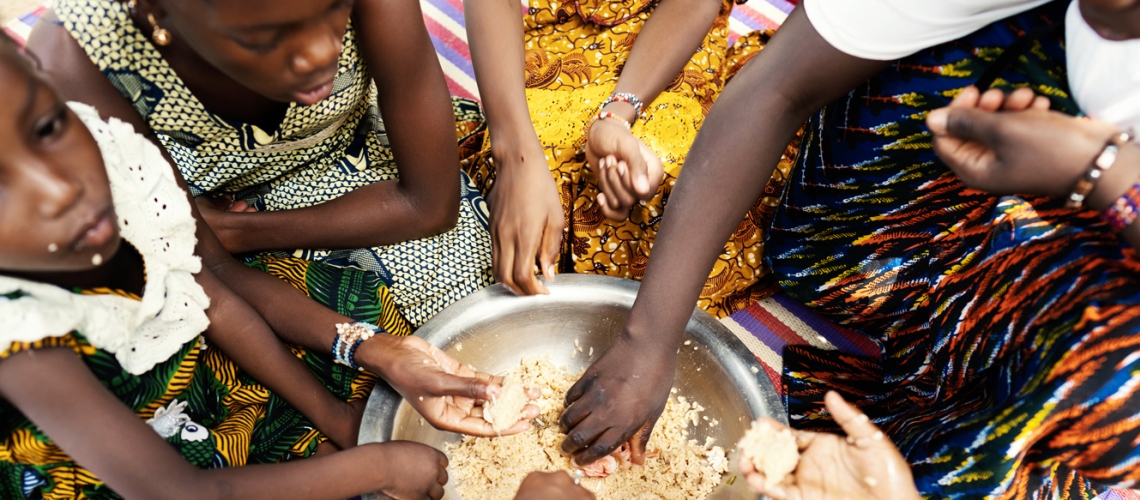 the turn of the Millennium. Investment, innovation and commitment has seen rates of malnutrition fall. Yet despite this progress, malnutrition is still blighting lives around the world. What’s more, it is being dramatically exacerbated by the COVID-19 pandemic, which has rolled back decades of progress in child undernutrition and worsened the growing challenge of overweight and obesity.
  Netherlands for the World Bank
You must be logged in to post a comment.