
DAR ES SALAAM, January 28, 2025 — Thirty African Heads of State and governments today committed to concrete reforms and actions to expand access to reliable, affordable, and sustainable electricity to power economic growth, improve quality of life, and drive job creation across the continent.
Continue readingTag Archives: News
International Day of Education 2025: Digital solutions for equitable education systems
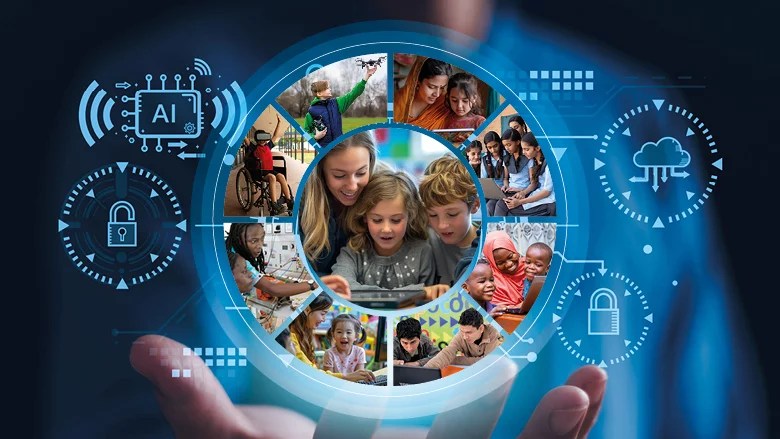
The 2025 International Day of Education inspires reflectionson the power of education to equip individuals and communities navigate, understand and influence technological advancement. This year the focus is “AI and Education: Preserving Agency in a World of Automation.”
Continue readingPower for progress: a call from African leaders and partners to electrify Africa
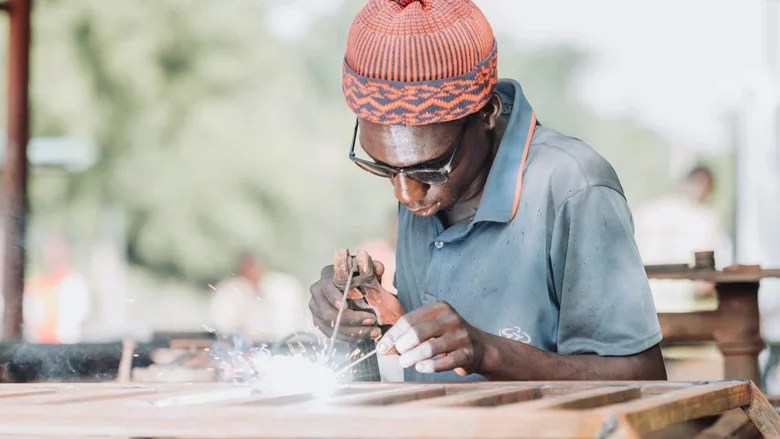
For many of us, the simple act of flipping a switch to light up our homes or power our devices are taken for granted. Electricity fuels modern progress—it powers hospitals and schools, enables businesses, and connects us to the world.
Continue reading
From clicks to care: Targeting social media to improve health in vulnerable communities
Over the past decade, internet access in low- and middle-income countries has surged, with 62% of the population online by 2022 (The World Bank). This growing connectivity has led governments, researchers, and development organizations to turn to social media for spreading important health messages. However, social media algorithms tend to prioritize the most active users, making it unclear whether campaigns reach and impact those who need them most—such as individuals at high risk of contracting malaria.
World Bank’s USD 6 Billion 7-Year Global Bond Achieves Record Orderbook
WASHINGTON, D.C., January 7, 2025 – The World Bank (International Bank for Reconstruction and Development, IBRD, Aaa/AAA) today priced a 7-year benchmark bond that matures in January 2032. The Sustainable Development Bond raised USD 6 billion from investors seeking a high-quality liquid investment that supports the World Bank’s work to end extreme poverty and boost prosperity on a livable planet.
Introduction: Advisor to Executive Director Nadia van Huisstede
About 3 months ago (September 2024) I started my position at the Dutch executive  director’s office at the World Bank. Coming from the NL Ministry of Finance, my previous job was coordinating the team responsible for World Bank, IMF and G20 matters where my focus was on the World Bank and sovereign debt. Great to be at the Bank now and to remain engaged – albeit in a different role – in the leading multilateral development bank.
In previous roles at the Ministry of Finance I focused on the European Investment Bank and on the NL budget. My expertise is in financial issues (capital increases, domestic resource mobilization, illicit financial flows, financial instruments). No surprises there when looking at my background.
At the Bank I will continue to cover those issues and IDA, climate including biodiversity & nature and procurement.
Recap: IMF & WBG Annual Meetings 2024
From October 22 to 26 the World Bank Group (WBG) and International Monetary Fund (IMF) Annual Meetings took place in Washington D.C.:
This year the Minister for Foreign Trade and Development Aid (BHO), Reinette Klever, could not attend and was represented by Finance Minister, Eelco Heinen. Beyond that numerous other Dutch Government and Banking Officials (including from Aruba and Curacao) were present.
Top COVID-19 (coronavirus) news this week
Muhammad Ali Pate, Global Director for Health, Nutrition and Population at the World Bank  said “the COVID-19 pandemic has put years of global progress to end preventable child deaths in serious jeopardy,” referencing a new joint UN-World Bank report on child mortality. Meanwhile, this week highlights the World Bank’s support in Angola and Mongolia’s health systems.
Households Begin Returning To Work in Liberia as Ebola Crisis Wanes
Press release published on the World Bank website.
WASHINGTON, February 24, 2015— Nearly 20 percent of the Liberians who had stopped working since the Ebola crisis have returned to work in the last month, according to the World Bank Group’s most recent round of cell-phone surveys, signaling both important progress and the magnitude of the challenge ahead.
This improvement, an encouraging sign of a shift toward economic normalization, was mainly driven by a large increase in wage work in urban areas. A substantial percentage of those working pre-crisis remain out of work, however; those in self-employment continue to be the hardest hit by the Ebola crisis, pointing to a lack of working capital and a lack of customers as the main barriers to their operation.
 Netherlands for the World Bank
You must be logged in to post a comment.