
WASHINGTON, November 24, 2025—Countries in Europe and Central Asia (ECA) should urgently push to make more efficient use of existing economic assets and invest in the capabilities of its firms and people to unlock faster growth, according to a new World Bank report released today.
Continue readingTag Archives: Jobs
Job Creation Key to Equality and Faster Poverty Reduction in Bangladesh, says World Bank
DHAKA, November 25, 2025 — Bangladesh reduced poverty significantly between 2010-2022, lifting 34 million people out of poverty while improving living standards and access to essential services like electricity, education, and sanitation, but since 2016, the pace of poverty reduction slowed and economic growth became less inclusive, says a new report launched today.
Continue readingHealth Works: Creating Jobs & Growth Through Quality Care
Good health empowers people, creates jobs, and drives economic growth. It fuels productivity, strengthens resilience, and acts as a powerful engine for employment—each health job generates up to 3.5 additional jobs in related sectors. We are working closely with countries and partners to reach 1.5 billion people with quality, affordable health services by 2030 which could create 29 million additional jobs. Investing in health is investing in economic opportunity. Join us in advancing health for all—share this video, start a conversation, and support efforts to expand quality, affordable health care. Together, we can create healthier communities, unlock economic opportunity, and build a brighter future for all.
“Credit: World Bank Group. All rights reserved”
Protect to prosper: How nature-based tourism drives jobs and growth

That selfie you took on an idyllic white sand beach, in a sprawling city park, or atop a mountain range at sunset? It’s more than just a photo of you. It reflects nature’s magnetic pull on people across the world and its role in fueling global tourism.
Continue readingWhy bridging Africa’s skills gap is crucial for growth

Sub-Saharan Africa’s economic promise is clear. It has the world’s youngest and fastest-growing population; by 2050 a quarter of the world’s working-age population will be living in Africa, with vast natural resources, and expanding regional markets. Yet these strengths are undermined by a persistent weakness: the region’s skills gap.
Continue readingDigital technology is driving the future of jobs
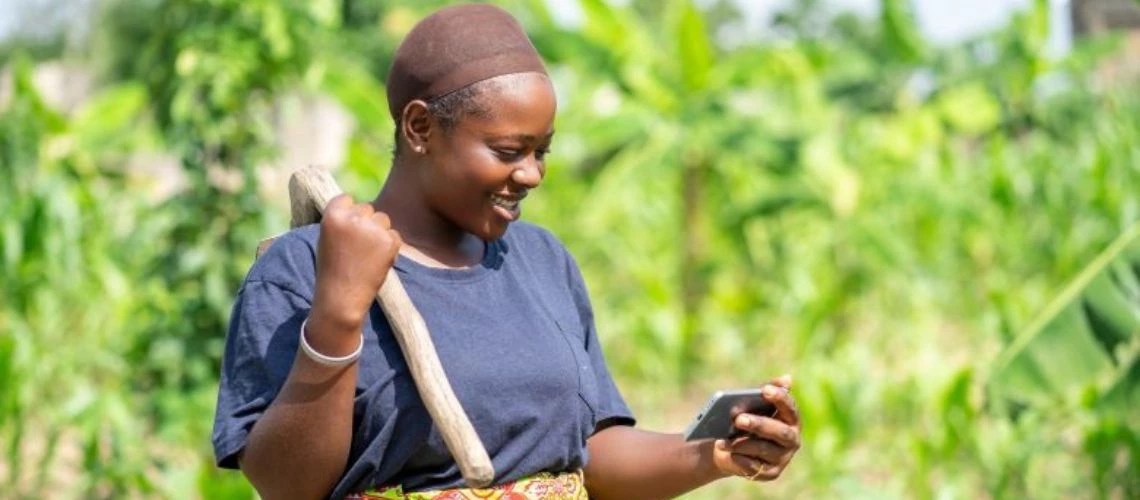
A farmer in Kenya uses mobile apps to get real-time harvesting tips, check market prices, and connect directly with buyers and lenders. A woman in Indonesia takes meal orders and arranges deliveries through social media. A small innkeeper in Jamaica lists rooms on booking platforms and manages reservations online. A street vendor in Dakar sells handmade jewelry across Africa using just her smartphone. And in Manila, a university student teaches math to high schoolers in remote areas via an online e-learning platform.
Continue readingHow an Urban Program in Ethiopia Delivered More than a Million Jobs
Highlights

- With World Bank support, over 1.15 million jobs were created as a result of the Ethiopia Urban Institutional and Infrastructure Development Program (UIIDP).
- Infrastructure investments in 117 cities helped improve living conditions for more than 6.6 million people, fueling employment and economic growth.
- Strengthened local governance and financial systems enabled cities to plan, deliver, and sustain job-generating urban development, even amid conflict and pandemic disruptions.
Delivering Jobs for People Living in Poverty
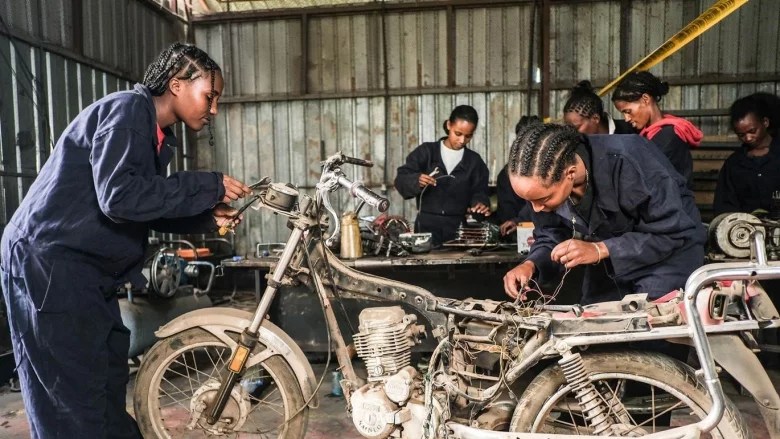
Evidence from India, Niger, and Zambia shows lasting income gains and strong returns from economic inclusion programs— generating up to $3.8 in benefits for every $1 invested within 10 years.
Now more than ever, people need better access to jobs. In emerging markets, 1.2 billion young people will reach working age over the next decade—yet only 420 million jobs are projected to be created. That leaves hundreds of millions, many of them from poor and vulnerable communities, without a clear pathway to a stable income, dignity, and opportunity.
Continue readingEducation is a key to jobs, growth, and lifelong learning
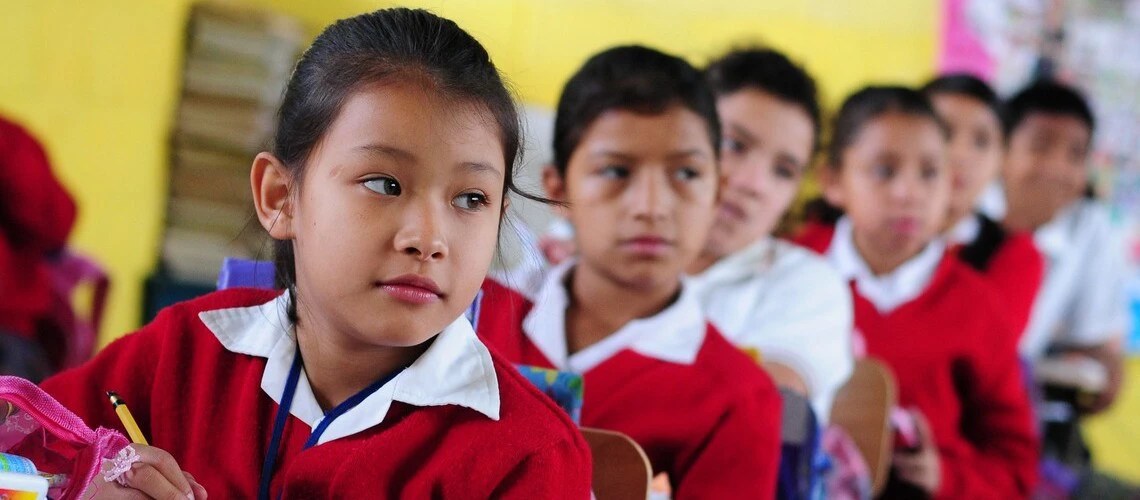
Education is a foundation for good jobs and the surest way out of poverty. We know a good education equips learners with important foundational skills—literacy, numeracy, and socio-emotional competencies—which are essential for work and life. These skills help today’s children become tomorrow’s productive workers and enable workers to reskill or upskill later in life.
Continue readingThe Future of Jobs: You Ask, We Answer

LIVESTREAM
Q&A with Frederico Gil Sander
and Henriette Kolb
August 27, 2025 @10-10:30 AM EDT (UTC-4)
Sign Up: Event | The Future of Jobs: You Ask, We Answer | World Bank Live
 Netherlands for the World Bank
You must be logged in to post a comment.