
The March 2020 global poverty update added more than 200 new surveys to PovcalNet,
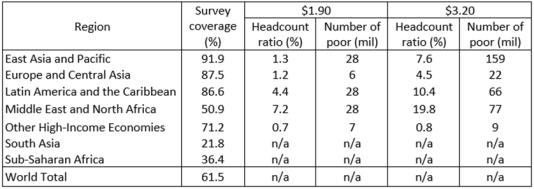
Table 1. Poverty estimates for reference year 2018, different poverty lines
bringing the total number of surveys to more than 1,900. New poverty estimates for the reference year 2018 are now included for some regions, and the previously published global and regional estimates from 1981 to 2015 have been revised, reflecting data revisions and the availability of new data. More details on the revisions can be found in Atamanov et al. (2020).
 an initial package of up to $12 billion in immediate support to assist countries coping with the health and economic impacts of the global outbreak. This financing is designed to help member countries take effective action to respond to and, where possible, lessen the tragic impacts posed by the COVID-19 (coronavirus).
 Director of Operations
 world and expanding their horizons. But too many children – more than half of all 10-year-olds in low- and middle-income countries – cannot read and understand a simple story.
  survival of animal and plant species. But the value drawn from a healthy biosphere is much more than that – it delivers a steady supply of food, water, jobs and livelihoods and helps to regulate climate.
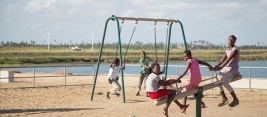 markets to invest in development projects. Through its arm for middle-income countries, the International Bank for Reconstruction and Development (IBRD), the World Bank Group funded public sector projects like roads, green energy, health or education systems; and through the International Finance Corporation (IFC), it provided capital to the private sector in developing countries to help businesses grow and provide jobs, taxes and other wider societal benefits.
 quarter century—from 36 percent of the world population in 1990 to an estimated 8.6 percent in 2018—and that living standards for hundreds of millions of people have improved over that time.
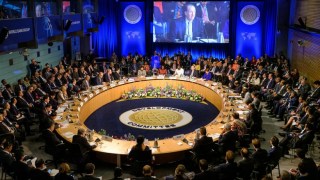 downside risks persisting due to policy uncertainty, trade tensions, financial volatility, and rising debt. The World Bank Group, in cooperation with the International Monetary Fund, can help emerging and low-income countries bolster potential growth, increase their resilience to shocks, boost domestic revenues, and continue building policy buffers. The two organizations have an important role to play in addressing the increase in debt vulnerabilities, and they can help countries meet a range of challenges to the international financial system, including tackling corruption.

You must be logged in to post a comment.