
The International Monetary Fund, World Bank Group, World Health Organization and World Trade Organization have joined forces to accelerate access to COVID-19 vaccines, therapeutics and diagnostics by leveraging multilateral finance and trade solutions, particularly in low- and middle-income countries.
Tag Archives: IDA
‘Absolutely Unacceptable’ COVID-19 Vaccination Rates in Developing Countries | The Development Podcast
Subscribe for free to The Development Podcast and listen to this episode on Apple Podcasts and Spotify.
“The situation that we see right now is absolutely unacceptable, because a large part of the world remains unvaccinated and this is a danger for all of us,” so warns Mamta Murthi, the World Bank’s Vice President for Human Development.
Are economic inclusion programs a pathway out of poverty?
Growing evidence shows that coordinated economic inclusion interventions can provide a 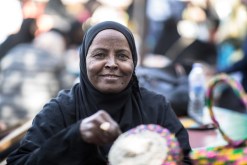 valuable pathway out of extreme poverty. Our recent report, The State of Economic Inclusion Report 2021: The Potential to Scale (SEI report 2021), assessed the impacts of economic inclusion programs across a range of contexts and confirmed that economic inclusion programs can play a key role in helping extremely poor people get on an upward trajectory.
For every two COVID-19 deaths, one child loses a caregiver. We must do more to address the orphans crisis
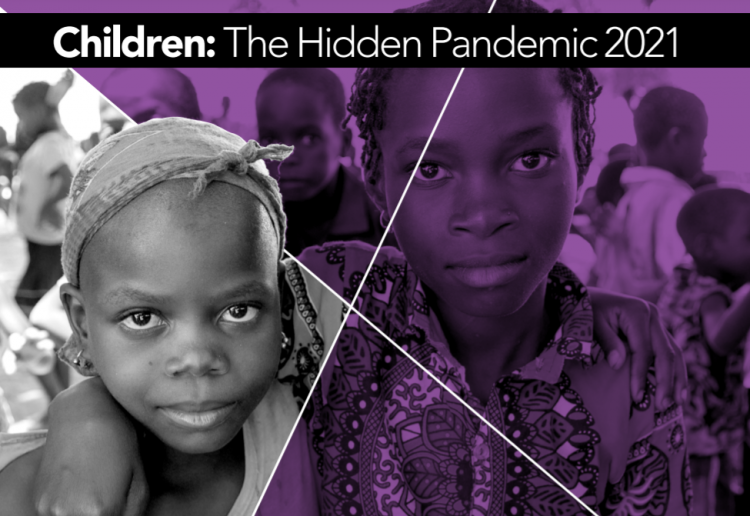
Investments in human capital require bold financing actions for a resilient recovery
Inclusive investments in health, early childhood development, learning, and women’s economic  empowerment can contribute to an inclusive, resilient, and sustainable recovery. This was the clear message, focusing on human capital, that the ministers of finance and planning of 81 Human Capital Project HCP countries sent at the last Ministerial Conclave.
The global recovery is bypassing the poorest countries
The global economy is booming—or so it might seem. 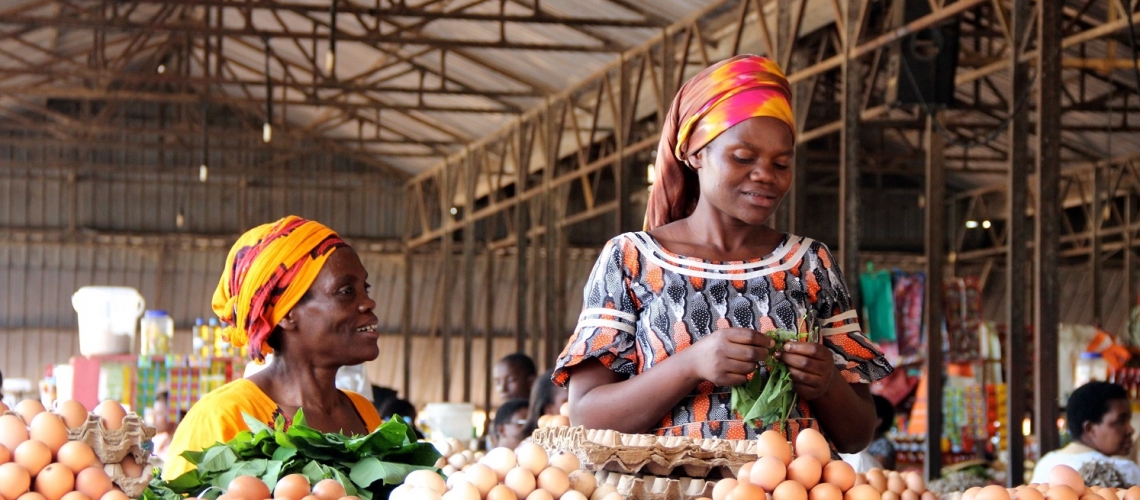
This year is likely to mark the strongest post-recession rebound in 80 years: global GDP is expected to expand 5.6 percent. Almost all advanced economies will go back to their pre-pandemic per-capita income levels in 2022. In some parts of the world, clearly, the pandemic’s damage is being repaired quickly.
Empowering Rural Women in Zambia to Move out of Poverty
Key Numbers: 
- 75,000 women from extremely poor households received livelihoods packages
- 28,000 girls from poor households have received tuition for secondary school
World Bank Financing for COVID-19 Vaccine Rollout Exceeds $4 Billion for 50 Countries
WASHINGTON, June 30, 2021 – The World Bank announced today that it is providing over $4 billion for the purchase and deployment of COVID-19 vaccines for 51 developing countries, half of which are in Africa. More than half of the financing comes from the International Development Association (IDA), the Bank’s fund for the world’s poorest countries, and is on grant or highly concessional terms. This financing is part of the Bank’s commitment to help low- and middle-income countries acquire and distribute vaccines and strengthen their health systems.
The World Bank reiterated its call to governments, pharmaceutical companies, and organizations involved in vaccine procurement and delivery to help increase transparency and build greater public information regarding vaccine contracts, options and agreements; vaccine financing and delivery agreements; and doses delivered and future delivery plans. It asked those countries anticipating excess vaccine supplies in the coming months to release their surplus doses and options as soon as possible, in a transparent manner, to developing countries with adequate distribution plans in place.
Since the start of the COVID-19 pandemic, the World Bank Group has approved more than $150 billion to fight the health, economic, and social impacts of the pandemic. Since April 2020, the Bank has scaled up its financing by over 50 percent, helping more than 100 countries meet emergency health needs, strengthen pandemic preparedness, while also supporting countries as they protect the poor and jobs, and jump starting a climate-friendly recovery.
“The World Bank is helping developing countries in every region of the world with vaccine purchase and rollout,” said Axel van Trotsenburg, World Bank Managing Director of Operations. “Significant challenges still remain regarding vaccine deployment and hesitancy. We are taking action on all fronts to tackle these challenges, working in solidarity with international and regional partners to expedite doses to as many people as possible and to enhance disease surveillance, preparedness, and response.”
Full details of World Bank vaccine operations are posted on our vaccine operations portal, with regular updates. The $4 billion is supporting COVID-19 vaccination efforts in Afghanistan, Bangladesh, Benin, Cabo Verde, Cambodia, Comoros, the Republic of Congo, Côte d’Ivoire, Democratic Republic of Congo, Ecuador, El Salvador, Eswatini, Ethiopia, The Gambia, Georgia, Ghana, Guinea, Guinea Bissau, Guyana, Honduras, Indonesia, Jordan, Kenya, Kosovo, the Kyrgyz Republic, Lao PDR, Lebanon, Lesotho, Madagascar, Malawi, Moldova, Mongolia, Mozambique, Nepal, Niger, Pakistan, Papua New Guinea, Philippines, Rwanda, São Tomé e Príncipe, Senegal, Sierra Leone, South Sudan, Sri Lanka, Sudan, Tajikistan, Togo, Tunisia, Ukraine, Yemen, and Zambia.
The Bank’s vaccine finance package is designed to be flexible. It can be used by countries to acquire doses through COVAX, the Africa Vaccine Acquisition Task Team (AVATT) or other sources. It also finances vaccine deployment and health system strengthening, such as vaccine cold-chains, training health workers, data and information systems, and communications and outreach campaigns to key stakeholders which are crucial to ensure vaccination acceptance. The Bank has aligned its eligibility criteria for COVID-19 vaccines with the revised eligibility criteria of COVAX and other multilateral partners.
The World Bank is partnering with the African Union and the World Bank-supported Africa Center for Disease Control to support AVATT initiative with resources to allow countries to purchase and deploy vaccines for up to 400 million people across Africa. The Bank is also convening a task force with the IMF, WHO, WTO, and other partners to track, coordinate, and advance delivery of COVID-19 vaccines to developing countries.
The Bank continues to work with governments and partners (UNICEF, the Global Fund, WHO, and GAVI) to assess the readiness of over 140 developing countries to deploy vaccines. Countries have made good progress since the publication of the effort’s first report. Latest findings show that 95 percent of countries have developed national vaccination plans, 79 percent have safety measures in place, and 82 percent have prioritizations of populations to receive the vaccine. However, only 59 percent have developed plans to train the large number of vaccinators needed and less than half have a plan in place to generate public confidence, trust, and demand for COVID-19 vaccines.
PRESS RELEASE NO: 2021/186/HNP
COVID-19 is hitting poor countries the hardest. Here’s how World Bank’s IDA is stepping up support
A year ago, before the COVID-19 pandemic struck, I was optimistic about the trends in global  poverty: extreme poverty rates had been steadily declining for more than two decades. Although considerable challenges like debt still loomed large for the poorest countries, the positive trajectory in the fight against poverty brought great hope for a better future—a future I still believe in.


You must be logged in to post a comment.