
Continue reading
Tag Archives: Health
Why Climate Change and Health Is a Hot Issue | World Bank Expert Answers
World Bank Group Aims to Expand Health Services to 1.5 Billion People
Focus on improved affordability, expanded geographic reach, increased scope of services
WASHINGTON, April 18, 2024—The World Bank Group today announced an ambitious plan to support countries in delivering quality, affordable health services to 1.5 billion people by 2030. This is part of a larger global effort to provide a basic standard of care through every stage of a person’s life—infancy, childhood, adolescence, and adulthood.
New malaria vaccines will save lives. How can we ensure a sustainable rollout? We need to change the way we support refugees – now !
Last month, Cameroon became the first country to start rolling out malaria vaccination as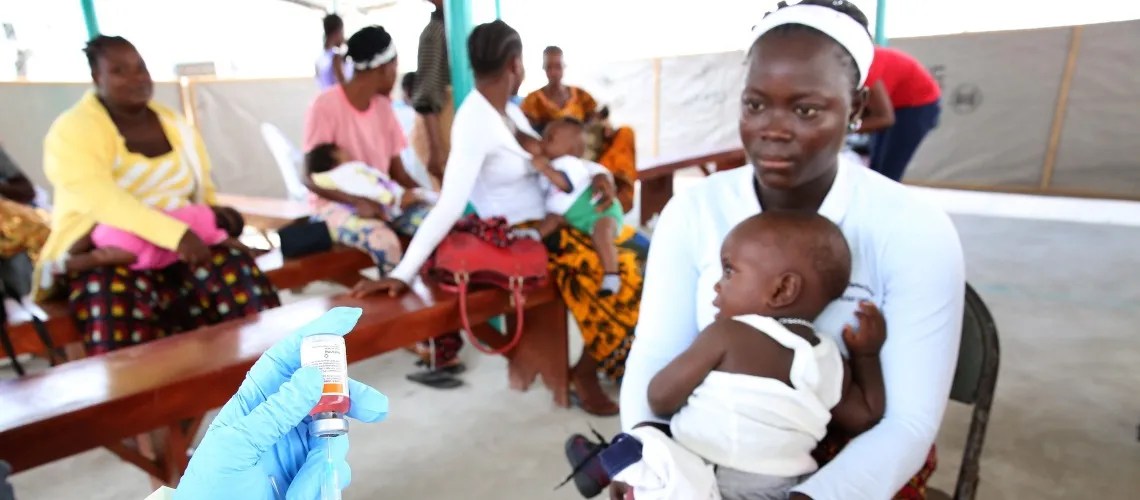 part of its routine immunization program, with Burkina Faso joining just yesterday. This follows successful malaria vaccine trials in Ghana, Kenya, and Malawi where over 2 million children participated in evaluating RTS, S – one of two WHO-recommended vaccines to fight malaria.
Strengthening Ukraine’s Healthcare in the Midst of War
Despite the War, Ukraine Continues Providing Necessary Health Services to Patients
Nina, a middle-aged woman from Chernihiv, Ukraine, was experiencing shortness of breath and could barely walk.
“I would walk two meters and didn’t have the strength anymore. Now, it’s easier to breathe,” says Nina.
Nina’s heart problems were appropriately diagnosed, and she received care at the Chernihiv Oblast Hospital in the fall of 2022.
Success Story: Development Finance International Inc. (DFI)
Bridging Business and Development with Netherlands’ Partners
Among DFI’s proudest accomplishments are our long-term partnerships with Dutch organizations to address development needs and support sustainable business in emerging markets globally.
Since DFI’s inception 30 years ago, and continuing through this day, DFI has worked closely with several Dutch corporate clients, The Netherlands Embassy in Washington, DC (and around the globe) and international funders such as the World Bank, the Inter-American Development Bank and other public, private and Civil Society Organizations (CSOs) to tackle the most pressing challenges in critical areas including food security and sustainability, healthcare, climate change, and science and technology, among others.
Building Resilient Health Systems in the Shadow of COVID-19
The COVID-19 pandemic has revealed structural weaknesses in health systems worldwide and  negatively impacted individuals, societies, and economies. In the pandemic’s wake, political leaders and everyday people alike recognize the importance of resilient health systems that can prevent, prepare for, respond to, and learn from infectious outbreaks and other shocks while continuing to deliver quality essential health services. But urgent questions remain. Which features of a health system are most important for achieving resilience? How can countries—especially poor ones—build resilient health systems? Which investments should countries prioritize to make their systems resilient to future challenges?
Thursday, November 3rd- 8-9AM EDT
This new World Bank report, “Change Cannot Wait: Building Resilient Health Systems in the Shadow of COVID-19,” builds on previous work, leverages new research, and considers countries’ frontline experiences during the pandemic. It presents a new framework for making health systems resilient, shows how countries can build them, and where countries and partners can target investments to improve health outcomes.
Smarter taxation can help boost government revenue and health outcomes
The shockwaves of the war in Ukraine hit many countries while they were still reeling from the COVID-19 pandemic. For many developing countries, the fiscal challenges have mounted ever since—the result of surging food, fertilizer and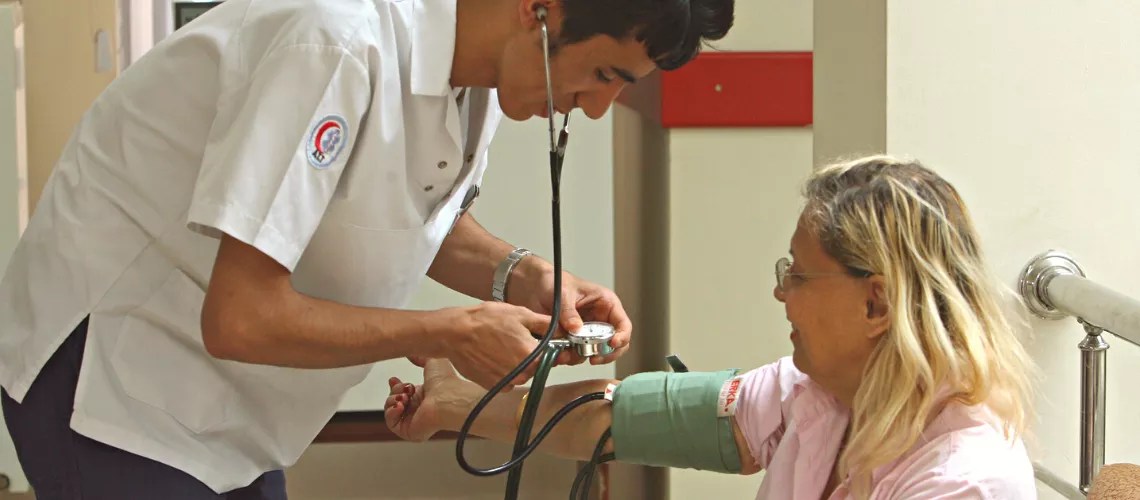 energy prices, rising interest rates, and slowing growth.
In response to the overlapping crises, nearly all countries increased their overall government and health spending. But only a few of them—mostly high-income countries—will be able to sustain these levels in the years ahead. Improving domestic resource mobilization, especially in a way that can sustainably broaden tax bases, will be crucial.


You must be logged in to post a comment.