eC2: Myanmar Distributed Generation Scoping Study

Deadline: 13-Aug-2018 at 11:59:59 PM (Eastern Time – Washington D.C.)

The IFC is seeking consultancy services to undertake an analysis of the current market ict_day_card_1and key barriers for distributed clean power generation solutions in Myanmar. This study will primarily focus on the potential for distributed PV solutions providing power to clients on a commercially viable scale, including both grid-connected and off-grid facilities. In particular, it should focus on the market for commercial and industrial customers, rather than minigrids or other residential applications. The result of this study will be a market mapping of the potential customers that could serve as a pipeline of projects for suppliers and investors in the future, including the key characteristics of these customers, analysis of market segments, and a review of the main barriers these customers face in adopting PV solutions. The study will also profile the business models prevalent in Myanmar, to inform potential financing structures that could help unlock needed capital in the sector.

Continue reading

eC2:Improving energy, water and chemicals use efficiency in the textile sector

Deadline: 26-Jul-2018 at 11:59:59 PM (Eastern Time – Washington D.C.) waterkraan-nieuws-header
A local (South Africa) consulting firm is being sought who will undertake the following work:
1. Establish baselines and collect key performance indicators data on the water, energy and chemicals use and wastewater generated.
2. Design and propose a resource efficiency improvement program (energy, water and chemicals).
3. Prepare a financial plan for the resource efficiency program. The financial plan must explore different investment and business model options and describe which fits the best a selected client.
4. Assess the financial feasibility of implementing power generation projects such as solar photovoltaic, natural gas generators and combined heat and power system.

Continue reading

The Race for Universal Energy Access Speeds Up

STORY HIGHLIGHTS energy

  • A billion people still live without electricity, but certain countries are starting to adopt new approaches to expand electricity services – reaching millions of people in the past few years.
  • The number of people gaining access to electricity in Sub-Saharan Africa has begun to outstrip population growth for the first time. In South Asia, progress has been even faster.
  • Much more work will be needed to achieve universal electrification by 2030, as called for in SDG7. The World Bank is significantly ramping up financing for energy access programs, with support for mini-grid and off-grid projects growing the fastest.

Continue reading

eC2: Sindh Province: Renewable Energy Locational Study

ict_day_card_1Deadline: 18-Jul-2018 at 11:59:59 PM (Eastern Time – Washington D.C.)

The envisaged scope of work will involve four tasks, as follows: (i) Grid integration analysis including an identification of substations that can accommodate solar and/or wind capacity without major upgrades, and those that would require major transmission and/or substation upgrades to allow the addition of VRE capacity; (ii) Assessment and ranking of renewable energy zones using the MapRE tool and utilization the best available data on solar and wind resource potential, transmission lines, elevation, land use, protected and sensitive areas, settlements, and other relevant data; and combining of this data with the results from the grid integration analysis; (iii) More detailed identification of potential sites for solar parks, using the results from the prior work to carry out a land availability analysis that investigates land ownership and other issues in a 10km radius around high ranking substations; (iv) Development of a solar park strategy, based on lessons learned from Quaid-e-Azam Solar Park, international experiences, discussions with key public sector agencies, and consultations with private sector developers.

Continue reading

eC2: Optimal Contribution of Natural Gas in the Indonesian Economy

energyDeadline: 03-Jul-2018 at 11:59:59 PM (Eastern Time – Washington D.C.)

The World Bank seeks the services of an internationally recognized consulting firm to conduct a study on the current and potential contribution of gas to the Indonesian economy as a basis for informing policy directions and specific reforms across a range of industrial, power, transportation and household uses. The work will evaluate the gas value chain in each use of gas to identify the direct and indirect economic benefits and co-benefits of gas use (e.g. pollution abatement, lower carbon, security). It will identify barriers to the optimal use of gas and opportunities to overcome these through policy actions and public investments, including inter alia gas price, allocation and fiscal regulations.

Continue reading

Fossil fuel subsidy reforms: we know why, the question is how

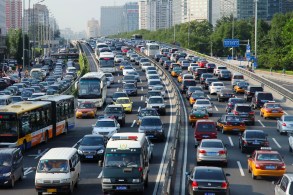
Traffic in BeijingA new book, “Fossil Fuel Subsidy Reforms: A Guide to Economic and Political Complexity (Routledge), explores the complex economics and politics of fossil fuel subsidies, and distils key principles for designing and implementing of effective reforms. Here are some key insights.

Continue reading

eC2: Myanmar Distributed Generation Scoping Study

Deadline: 28-Jun-2018 at 11:59:59 PM (Eastern Time – Washington D.C.) energy

The International Finance Corporation (IFC) is seeking consultancy services to undertake an analysis of the current market and key barriers for distributed clean power generation solutions in Myanmar. This study will primarily focus on the potential for distributed PV solutions providing power to clients on a commercially viable scale, including both grid-connected and off-grid facilities. In particular, it should focus on the market for commercial and industrial customers, rather than minigrids or other residential applications. The result of this study will be an overview of the commercial and regulatory environment for these types of projects, and the potential business models that would be viable in the Myanmar context; as well as a market mapping of the main companies active in this space in Myanmar and potential customers that could serve as a pipeline of projects for suppliers and investors in the future.

Continue reading

eC2: Energy Access Household Survey in Madagascar

esmapDeadline: 14-Jun-2018 at 11:59:59 PM (Eastern Time – Washington D.C.)

The World Bank-ESMAP team is launching the first Global Energy Access Household Surveys to set a baseline to track progress towards Sustainable Energy for All (SE4All) goal and Sustainable Development Goal (SDG) number 7 on access to affordable, reliable and sustainable modern energy by 2030. A reputed local firm with extensive experience in household surveys is sought to conduct the baseline survey on energy access using the multi-tier framework approach to track progress towards SDG7 . The survey will be nationally representative and administered to both urban and rural localities. The firm will work with the World Bank-ESMAP to pre-test, finalize and implement the survey. Data collection should be carefully monitored to ensure high quality information.

Continue reading

Is the world on track to deliver energy access for all?

ene-780x439-solar-powered-metro-station-brazil-paulo-barrosSTORY HIGHLIGHTS

  • Countries need to accelerate progress on access to electrification, clean cooking, renewables and energy efficiency to meet Sustainable Development Goal #7, according to a new report
  • 674 million people, or 8% of the world’s population, will still be in the dark in 2030 if current trends of electrification continue
  • An estimated 2.3 billion people will continue to cook by burning wood and coal in 2030, which poses major health risks


Continue reading

eC2: Conduct Energy Audits of 16 Municipal Committees and Develop Energy Management Plans (including Investment Plans)

energyDeadline: 11-Jun-2018 at 11:59:59 PM (Eastern Time – Washington D.C.)

The overall approach for the energy audits will be: Analyze energy consumption and costs: Collect, organize, and analyze past energy bills. Compare energy performance: Determine the energy use and resources that can help compare them internally from one period to another, from one facility to a similar one, or from one system to another. Profile energy use patterns: Determine the time and relationships of energy use such as the electricity demand profile. Inventorize energy use: Prepare a list of all energy-consuming loads/efficiencies in the audit area and measure their consumption and demand. Identify Energy Management Opportunities (EMOs): Include operational and technological measures to reduce energy usage. Assess the benefits: Measure the potential energy and cost savings, along with any other benefits.

See full tender here:

eConsultant2 website: https://wbgeconsult2.worldbank.org/wbgec/index.html  

Tender notification: # 1257724

Assignment Countries:

  • PK – Pakistan