By 2030, up to two-thirds of the world’s extreme poor could live in fragility, conflict, and violence (FCV) settings, so without addressing the challenges in these economies, we will not succeed in our mission to eradicate extreme poverty and boost shared prosperity. During this event, we heard from David Malpass, President of the World Bank Group, as well as partners and country representatives on how to stay engaged during times of crisis and meet the challenges in new and innovative ways. #RisingFragility


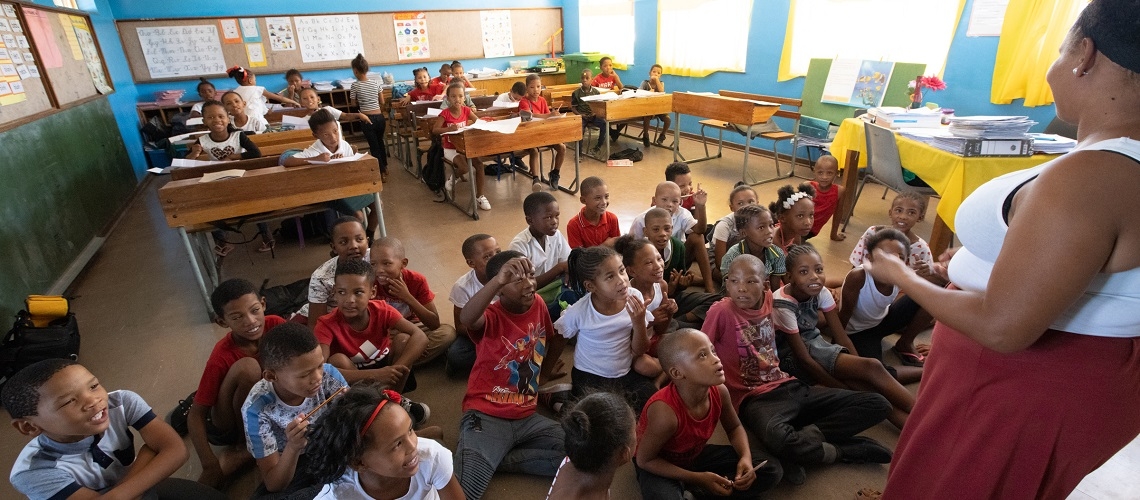 the least to contribute to global emissions historically and poorer people within countries emit less than their rich neighbors. Nonetheless, poorer countries and poorer people are more vulnerable to climate impacts. They tend to be more exposed to climate change impacts, for instance living in places exposed to floods, working in occupations like agriculture, or lacking access to improved water and sanitation. And they have fewer resources to adapt and invest in protecting themselves.
 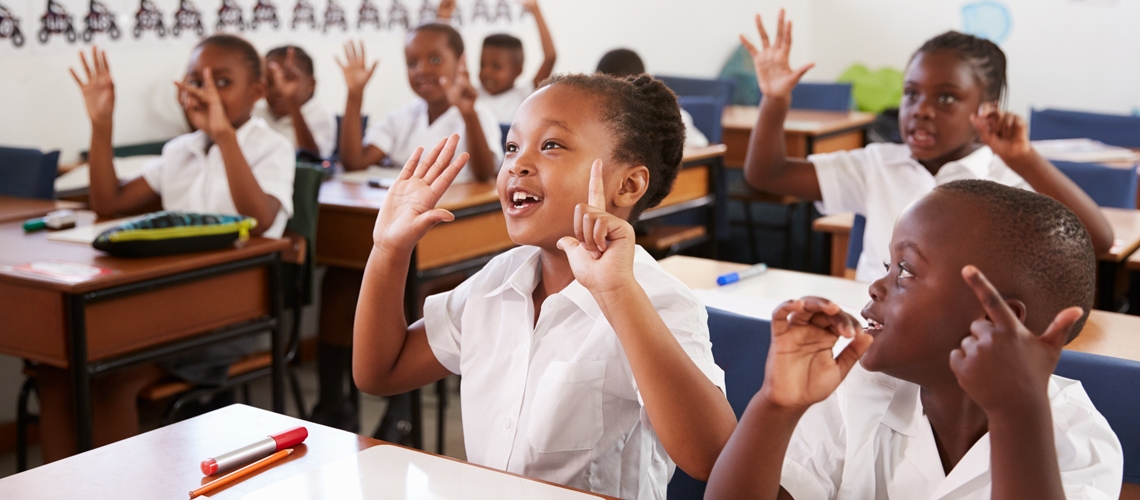 unless they get all children and young people back to school, keep them in class, and recover the central elements of learning, this generation could lose twice or three times that amount in earning losses.
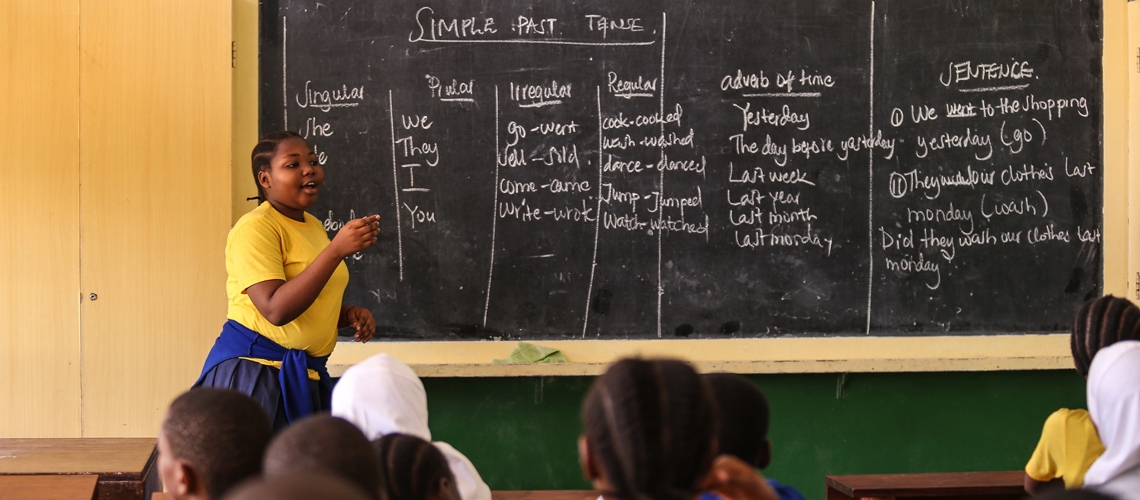

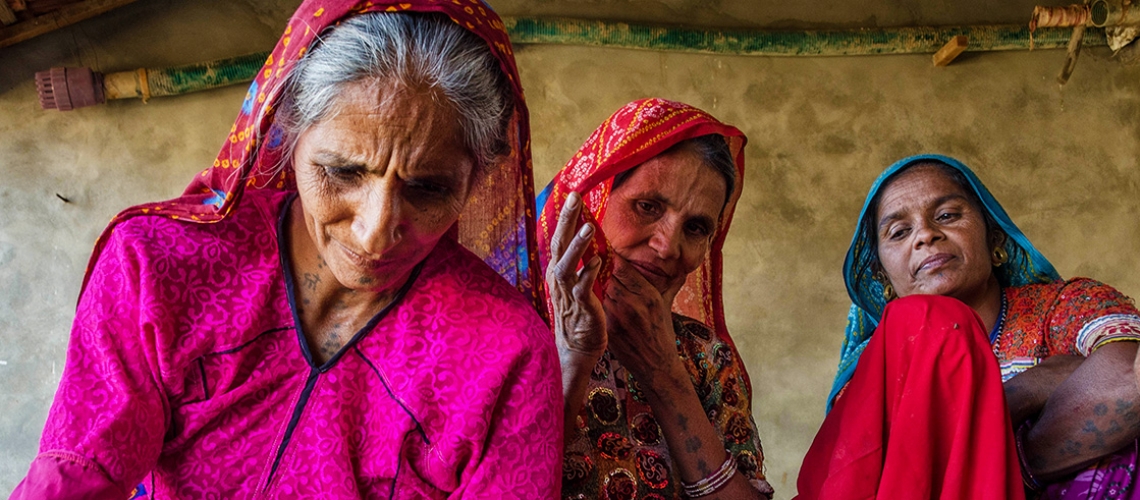 overcome with worry when the lockdown was announced to contain the Covid-19 pandemic.
 people, continues to suffer some of the worst consequences of a changing climate. In 2019, we saw the catastrophic impacts of Cyclone Idai on millions of people in Mozambique, Zimbabwe, and Malawi, and in 2020, locusts caused widespread food insecurity in the amidst of a global pandemic.
 Netherlands for the World Bank
You must be logged in to post a comment.