
Prepares to support countries in the region affected by the conflict 
WASHINGTON, Feb. 24, 2022—David Malpass, President of the World Bank Group, today released the following statement:
“The World Bank Group is horrified by the shocking violence and loss of life as a result of the events unfolding in Ukraine. We are a long-standing partner of Ukraine and stand with its people at this critical moment.
Today, I discussed the situation with our Board of Directors and have mobilized our Global Crisis Risk Platform to accelerate coordination across the World Bank Group.
The devastating developments in Ukraine will have far-reaching economic and social impacts. We are coordinating closely with the IMF to assess these costs.
When I met with President Zelenskyy in Munich on Saturday, I reaffirmed the World Bank Group’s strong support and commitment to the people of Ukraine and the region.
We stand ready to provide immediate support to Ukraine and are preparing options for such support, including fast-disbursing financing. Alongside development partners, the World Bank Group will use all our financing and technical support tools for rapid response.
The World Bank Group is also in active dialogue to support neighboring countries and people that may be affected by this conflict and will make additional resources available.”
Prepares to support countries in the region affected by the conflict
WASHINGTON, Feb. 24, 2022—David Malpass, President of the World Bank Group, today released the following statement:
“The World Bank Group is horrified by the shocking violence and loss of life as a result of the events unfolding in Ukraine. We are a long-standing partner of Ukraine and stand with its people at this critical moment.
Today, I discussed the situation with our Board of Directors and have mobilized our Global Crisis Risk Platform to accelerate coordination across the World Bank Group.
The devastating developments in Ukraine will have far-reaching economic and social impacts. We are coordinating closely with the IMF to assess these costs.
When I met with President Zelenskyy in Munich on Saturday, I reaffirmed the World Bank Group’s strong support and commitment to the people of Ukraine and the region.
We stand ready to provide immediate support to Ukraine and are preparing options for such support, including fast-disbursing financing. Alongside development partners, the World Bank Group will use all our financing and technical support tools for rapid response.
The World Bank Group is also in active dialogue to support neighboring countries and people that may be affected by this conflict and will make additional resources available.”
 related shutdowns are challenging the effectiveness of civil and institutional structures around the world and adding to fragility and violence, resulting in interrelated crises for foreign policy, development, and economics.
 remain below pre-pandemic trends for a prolonged period. The pandemic has exacerbated the risks associated with a decade-long wave of global debt accumulation. It is also likely to steepen the long-expected slowdown in potential growth over the next decade. In his Foreword, World Bank Group President David Malpass notes that “Making the right investments now is vital both to support the recovery when it is urgently needed and foster resilience. Our response to the pandemic crisis today will shape our common future for years to come. We should seize the opportunity to lay the foundations for a durable, equitable, and sustainable global economy.”
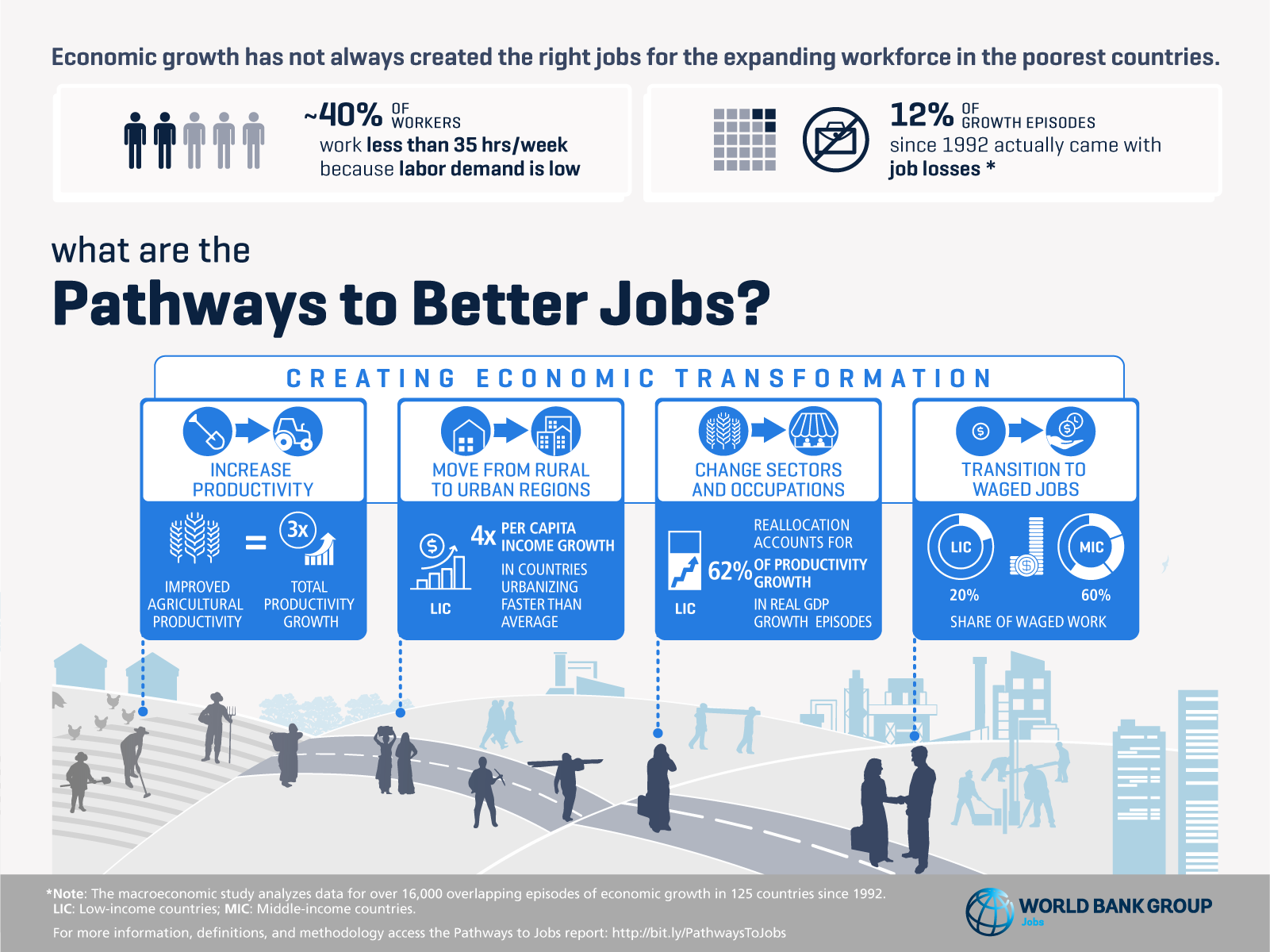 find work, when they get better at what they do, and when they move from low-productivity work to better, higher-productivity jobs. Our newest report `
 lately. Policymakers are concerned that America’s leading firms such as the FAANG stocks — Facebook, Apple, Amazon, Netflix and Google — are having adverse results on the rest of us and making economic policy less predictable. Why is this? Many of the companies have improved the lives of people across the world with highly desirable and useful products. These superstar firms have also done very well for many of their stakeholders and investors. The numbers are staggering. These five tech companies together account for roughly half of the gains achieved by the Standard & Poor’s 500 stock index in 2018. And in recent weeks, Apple became the world’s first trillion-dollar corporation, with Amazon not far behind. While the superstar firms have made life easier for many consumers, it’s hard for economists not to wonder whether the effects of their stratospheric success are entirely benign.
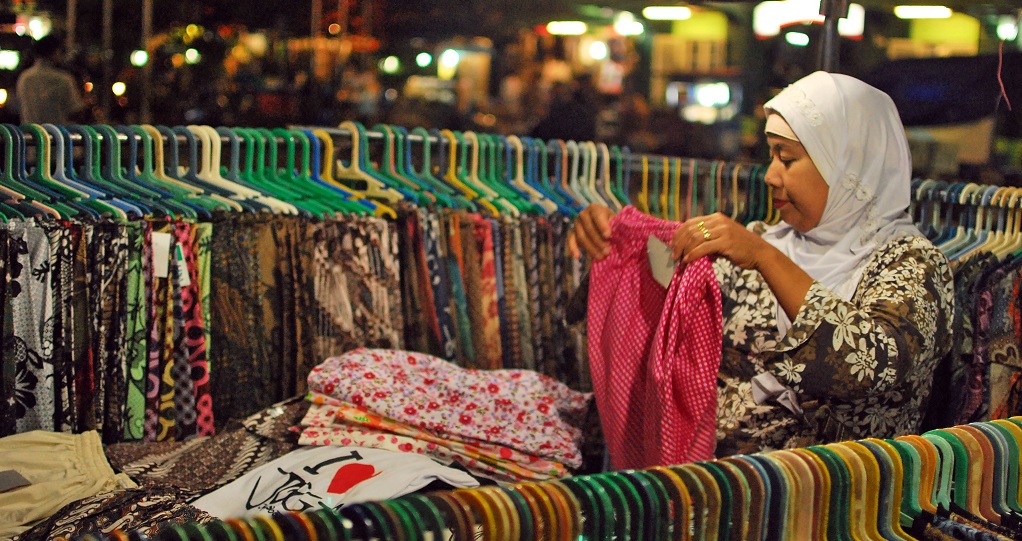 Creating more and better jobs is central to our work at the World Bank and a shared goal for virtually all countries —developed and developing alike. But oftentimes the policy debate turns to the cost and effectiveness of programs and projects in creating jobs.

You must be logged in to post a comment.