
In FY2017, the WBG provided over $12 billion in financing for climate-related projects. Some results from our work include:
Cities:
- In Vietnam, the World Bank has assisted the city of Can Tho to become more climate resilient and promote sustainable urbanization and transport corridors. An investment of US$ 250 million from the Bank and US$ 10 million from the Swiss Development Agency (SECO) is implemented across six development sectors to increase the city’s physical, financial and social resilience to adverse events. One of the activities involves combining a transport link and an embankment, which has multiple benefits including reducing water displacement and flooding in the Mekong Delta.


 in terms of a heavier workload?
 Netherlands, the Netherlands Enterprise Agency, IFC, and IUCN organized an event on GAFSP and the impact of Climate Smart Agriculture on October 28, 2016. Climate change affects companies in the agro-food and beverage sectors all around the world. They face increasing risks: from reduced productivity, new laws and policies, to reputation risks or volatile market prices. Effectively managing risks and opportunities of climate change is vital to secure long-term viability of companies and value chains. Integrating climate smart agricultural techniques and projects in business operations can help firms to become more climate-resilient and in the meantime reduce pressure on forests and other ecosystems and the services they provide. Especially in developing countries, climate change implies challenges to food security and sustainable food production and trade.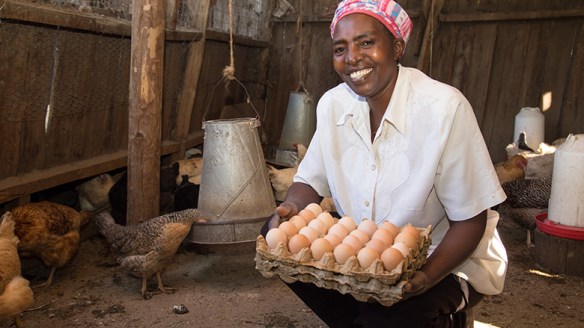

 signed in Paris in December 2015. The agreement will be implemented through country-led greenhouse gas (GHG) emissions reduction commitments known as their intended Nationally Determined Contributions (NDCs), which to date have been submitted by 189 countries covering 95 percent of global GHG emissions.
 contribute 25 percent of greenhouse gas emissions.
  Netherlands for the World Bank
You must be logged in to post a comment.