Deadline: 28-Nov-2018 at 11:59:59 PM (Eastern Time – Washington D.C.)
(i)S&T19: The 2019 report will focus on providing an updated overview of existing and  emerging carbon pricing initiatives around the world including national, sub-national and corporate activities, emissions trading systems, carbon taxes, and crediting mechanisms Building on the efforts made in 2018, it will include a discussion on the carbon pricing trends. It will also address the feedback received last year and focus on developing clearer lessons learned from the various carbon pricing initiatives and from various publications (including WBG ones), improved infographics featuring key facts and numbers. In addition, it will feature a section on the various ways to price carbon, including through implicit and negative carbon pricing policies. Finally, the report will continue to complete the online dashboard that was launched in 2017, and which allows for direct access to this data and more regular updates. This report is expected to have approximately about 50 pages.
Continue reading →


 fund to support countries to prepare and implement climate change policies in order to scale-up mitigation efforts. The PMR consists of 13 Contributing Participants, who provide financial support to the PMR Trust Fund and share their carbon pricing experience, and 19 Implementing Country Participants, who receive funding and technical support. In Thailand, the PMR supports the design of an Energy Performance Certificate scheme and prepares infrastructure such as a database and MRV system. PMR activities also include a study on the legal framework for an ETS and preparation of the Low Carbon City Program and Fund.
 out to be not only technically challenging, but also politically risky. As the benefits of carbon pricing policies are not always self-evident, a strategic communication plan for awareness raising and risk management both within the government, among businesses and for the general public can be critical to ensure the successful adoption and implementation of such policies.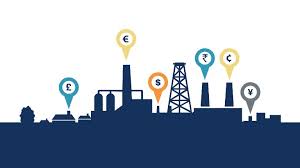
 Netherlands for the World Bank
You must be logged in to post a comment.