
Deadline: 04-Sep-2017 at 11:59:59 PM (Eastern Time – Washington D.C.) 
IFC plans to assist a large domestic buyer to increase the quantity of malt barley procured from local smallholder farmers by aggregators such as cooperatives or “lead farmers”. Part of the project includes improving the professionalism of approximately 80 aggregators so that they can function more effectively as businesses and provide better services to their members and/or smallholder farmer clients.


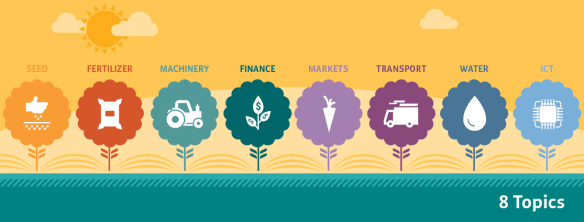 EBA 2017 is the third report in the series, presenting data that measure legal barriers for businesses operating in agriculture in 62 countries and across 12 topic areas. It provides quantitative indicators on regulation for seed, fertilizer, machinery, finance, markets, transport, information and communication technology (ICT), and water. Two overarching themes—gender and environmental sustainability—continue to be included in the report analysis to ensure that the messages developed by EBA encourage inclusive and sustainable practices. This year scoring was piloted for the land topic for 38 countries in which data were collected. The data for the remaining 24 countries will be collected next year and the team will refine the methodology further. EBA also collected data on the livestock topic, focusing on veterinary medicinal products (VMPs).

 Hague – 28 October 2016
  Netherlands, the Netherlands Enterprise Agency, IFC, and IUCN organized an event on GAFSP and the impact of Climate Smart Agriculture on October 28, 2016. Climate change affects companies in the agro-food and beverage sectors all around the world. They face increasing risks: from reduced productivity, new laws and policies, to reputation risks or volatile market prices. Effectively managing risks and opportunities of climate change is vital to secure long-term viability of companies and value chains. Integrating climate smart agricultural techniques and projects in business operations can help firms to become more climate-resilient and in the meantime reduce pressure on forests and other ecosystems and the services they provide. Especially in developing countries, climate change implies challenges to food security and sustainable food production and trade.
 Netherlands for the World Bank
You must be logged in to post a comment.