Africa’s big push on electrification: A cautionary tale

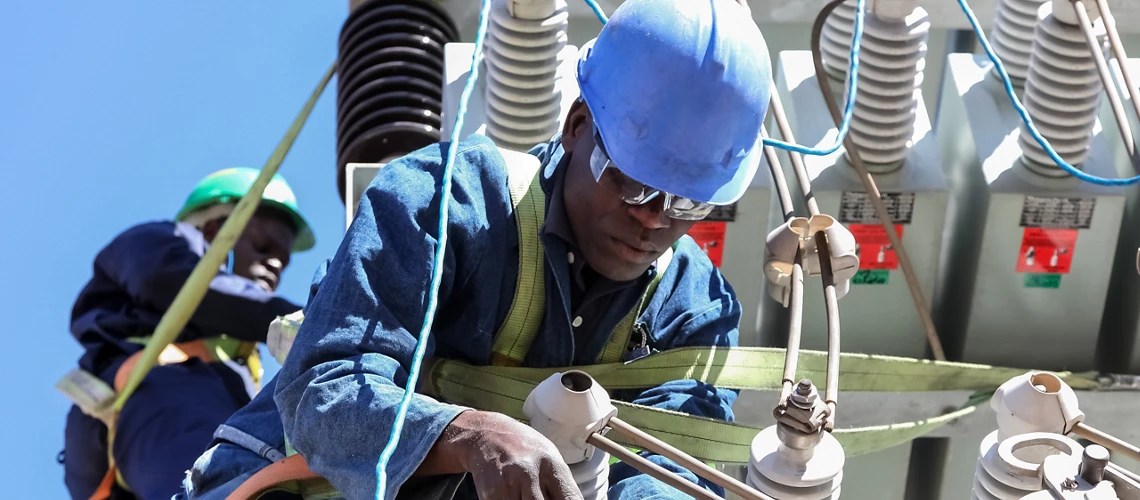
Africa is home to the largest share of the world’s unelectrified population—an estimated half a billion people, mostly in rural areas. In recognition of the significant role of electricity in economic development, the region is poised to erase this unwelcome statistic by achieving universal access by 2030 through several national and multilateral initiatives.

Continue reading

Robust Policies for Better Public Services in Africa: The 2025 Country Policy and Institutional Assessment (CPIA) Report in 6 Charts

Since 2006, The World Bank’s annual Country Policy and Institutional Assessment (CPIA) Report has been a guide for countries, policymakers, and investors, identifying key trends and best practices that support effective public service delivery and foster a more resilient and prosperous future for Sub-Saharan Africa (SSA). The CPIA is an annual diagnostic tool for SSA countries eligible for financing from the International Development Association (IDA), the part of the World Bank that helps the world’s low-income countries by providing grants and low to zero-interest loans for projects and programs that boost economic growth, reduce poverty, and improve people’s lives. The CPIA Report aims to capture the quality of each country’s policies and institutional arrangements, focusing on the elements within the country’s control. The scores are designed to assess sustainable growth and poverty reduction. The CPIA provides scores for each country, and an overall regional score, on a scale of 1 (lowest) to 6 (highest) in four clusters: economic management, structural policies, social inclusion and equity policies, and public sector management and institutions. The scores inform governments of the impact of each country’s efforts to support inclusive growth and poverty reduction, and the overall score helps determine the size of the World Bank’s concessional lending and grants to low-income SSA countries. The report includes scores for IDA-eligible countries and acts as a touchstone for country monitoring and regional best practices.

Continue reading

Unleashing opportunities for women in Africa with access to energy

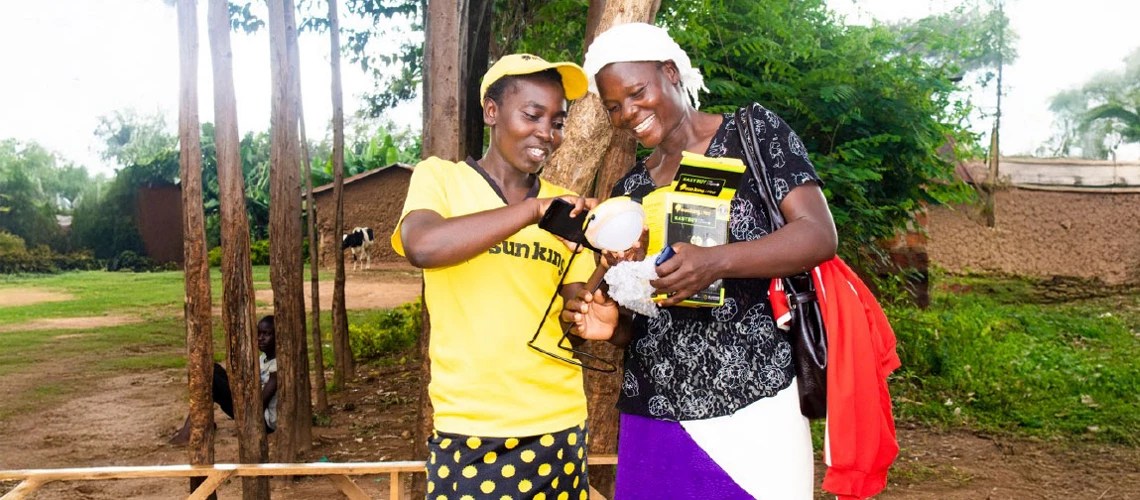
The extraordinary lack of energy in Africa–affecting about 300 million women-has profound effects on women’s economic opportunities. Women are already disproportionately affected by energy poverty, especially in rural areas. On average, women and girls spend 50 hours a week just fetching firewood, cooking, and collecting water. That’s 50 hours spent on subsistence, not on growing a business, pursuing education, or improving their health. In fact, 900 million African women and girls who lack access to clean cooking technology suffer from smoke inhalation-related diseases. That’s a huge barrier to their health, education, and economic potential.

Continue reading

How to close Africa’s energy access gap

What will it take to bring electricity to 300 million people in Africa who currently live without it? This is the goal we’ve set for Mission 300—to halve the number of people on the continent without reliable electricity by 2030. But setting a goal is just the spark. We need a full-blown power surge of bold reforms, investments, and an enabling environment for sustainable, scalable, and affordable energy solutions. 

Continue reading

Heads of State Commit to Concrete Plans to Transform Africa’s Energy Sector, with Strong Backing from Global Partners

DAR ES SALAAM, January 28, 2025 — Thirty African Heads of State and governments today committed to concrete reforms and actions to expand access to reliable, affordable, and sustainable electricity to power economic growth, improve quality of life, and drive job creation across the continent.  

Continue reading

Power for progress: a call from African leaders and partners to electrify Africa

For many of us, the simple act of flipping a switch to light up our homes or power our devices are taken for granted. Electricity fuels modern progress—it powers hospitals and schools, enables businesses, and connects us to the world.


Continue reading

From clicks to care: Targeting social media to improve health in vulnerable communities

Over the past decade, internet access in low- and middle-income countries has surged, with 62% of the population online by 2022 (The World Bank). This growing connectivity has led governments, researchers, and development organizations to turn to social media for spreading important health messages. However, social media algorithms tend to prioritize the most active users, making it unclear whether campaigns reach and impact those who need them most—such as individuals at high risk of contracting malaria.
 

Continue reading

Introduction: Advisor to Executive Director Nadia van Huisstede

About 3 months ago (September 2024) I started my position at the Dutch executive NvH_pasfotodirector’s office at the World Bank. Coming from the NL Ministry of Finance, my previous job was coordinating the team responsible for World Bank, IMF and G20 matters where my focus was on the World Bank and sovereign debt. Great to be at the Bank now and to remain engaged – albeit in a different role – in the leading multilateral development bank.

In previous roles at the Ministry of Finance I focused on the European Investment Bank and on the NL budget. My expertise is in financial issues (capital increases, domestic resource mobilization, illicit financial flows, financial instruments). No surprises there when looking at my background.

At the Bank I will continue to cover those issues and IDA, climate including biodiversity & nature and procurement.


New Country Policy and Institutional Assessment Report for Africa Highlights Best Practices to Support African Businesses

Accra, July 16, 2024—The annual Country Policy and Institutional Assessment (CPIA) for Africa confirms that countries in Sub-Saharan Africa (SSA) weathered 2023 relatively well thanks to credible economic and social policy reforms. In particular, governments and central banks have started to shift attention from weathering global shocks to building credibility, capacity, and transparency.

Continue reading

Digital Opportunities in African Businesses

Tapping Tech to the Full

How much do African firms use digital technology, for what purposes, and how can they be encouraged to use it more? While advances have been made in digitalizing Africa, with mobile payments a success story, firms still face challenges like higher costs of technology. Much more can be done to enable and empower them to reap its full potential, IFC research shows. A new book, Digital Opportunities in African Businesses, outlines the steps to be taken—from investing in digital infrastructure to funding tech startups offering user-friendly, affordable digital solutions. More than 600,000 formally registered firms and 40 million microbusinesses—about 20 percent of businesses in Africa—are potentially ready to benefit from digital upgrades.