Tackling Food Insecurity

Stories of resilience from Madagascar, the Central African Republic, and Egypt

How a new financing pact can help climate-vulnerable countries


This blog originally appeared in the Project Syndicate on September 8, 2023blog-a-new-financing-pact-for-climate-vulnerable-countries-1440x500.jpg


Amid an escalating climate emergency and a global debt crisis, calls for a new “fit for climate” global financial architecture are growing louder throughout the developing world. The urgent need for decisive action has been underscored by Barbadian Prime Minister Mia Mottley’s Bridgetown Initiative, the V20 group of climate-vulnerable countries, and the recent Paris Summit for a New Global Financing Pact. This week’s Africa Climate Summit in Nairobi presented a unique opportunity to promote much-needed measures to support low-income countries in pursuing sustainable growth.

Continue reading

Tackling Food Insecurity

Stories of resilience from Madagascar, the Central African Republic, and Egypt

We couldn’t even figure out how to face the next day or find food for our children.”
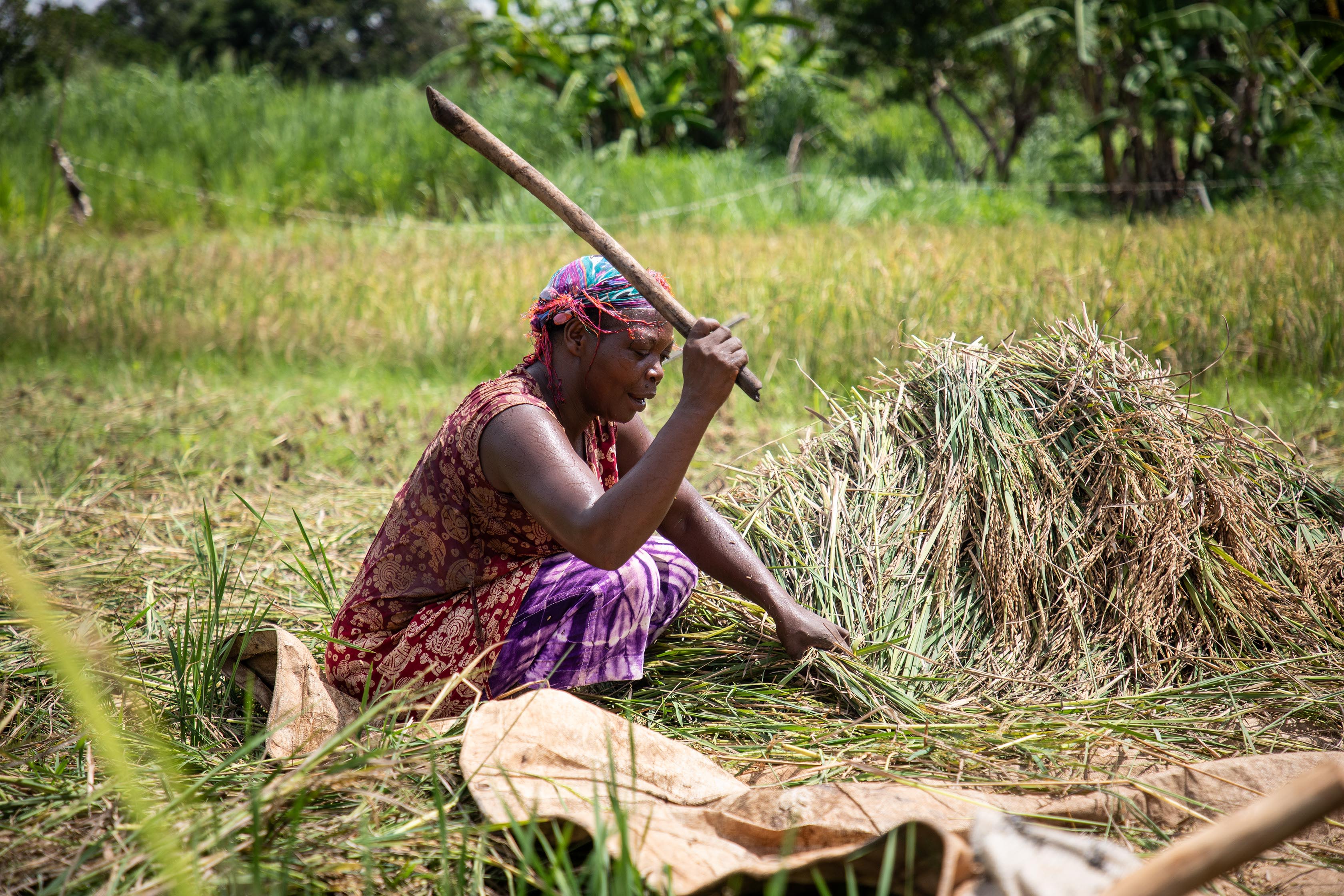
Volatsarasoa is a mother of four who lives in the village of Malangy, near the southern tip of Madagascar in one of the poorest regions in the country. With a fifth child on the way, she spends a lot of time thinking about a prosperous future for her children by learning from the experiences of her recent past.

When the El Niño phenomenon hit during the 2015-16 rainy season, Madagascar recieved just 50-80% of its normal precipitation – triggering a drought and crop yields that were 90% below normal.

“Me, my husband, and my children suffered a lot because there was no food, and we were starving. We barely ate, most of the time just a cup of rice for all of us, and only in the evening. It was very hard, and we couldn’t even figure out how to face the next day or find food for our children with everything going on I was worried. I was panicked.”

Realizing a Brighter Future for a Young, Energized, and Connected Africa

Indigenous Youth on Cultural Identity and a Livable Planet

This year, the International Day of the World’s Indigenous Peoples recognizes the efforts of Indigenous Youth to support sustainable development, along with their pursuit of justice and preservation of their culture and traditions. The World Bank interviewed Indigenous Youth leaders from Africa, Asia, and Latin America to hear their stories and deepen our understanding of their strategies.  While each have experienced unique circumstances, they face similar challenges that put at risk their capacity to sustain their peoples’ significant contributions to conserving the world’s rich cultural and biological diversity.

Continue reading

Investing in Youth, Transforming Africa

STORY HIGHLIGHTSafe-hc-summit

  • By 2075, one-third of the world’s population—and of the working-age population—will be African. It is the only region where the workforce will grow continuously in the coming decades.
  • This gives Africa an enormous opportunity to drive economic growth and prosperity through investments in education, skills, and health.
  • Africa’s Heads of State are gathering at the Africa Human Capital Heads of State Summit to discuss how to accelerate human capital accumulation, leverage the youth bulge, and create jobs to propel economic growth.

Continue reading

Mission to Rewrite World Bank Group Playbook Advances with Banga’s Global Tour

WASHINGTON, June 8, 2023—The World Bank Group announced today a months-long global tour for new president Ajay Banga, an early step in his mission to write a new playbook for the 78-year-old institution.

Between now and December 2023, Banga will visit multiple countries in every region where the World Bank Group operates. During the impact-focused tour, Banga will work to reimagine strategic partnerships with other multilateral banks and development organizations, work to identify barriers for private sector investment, deepen the relationships between the World Bank Group and the countries it serves, and identify opportunities to maximize impact through knowledge, financing, and technical assistance.

Continue reading

Hiding in plain sight: The missing trillions for climate change

In debates about how to finance the growing bill for climate change, many worry where we hero_factory.jpg can find the money.

There is reason to worry. As part of the Paris Agreement, the world’s wealthier countries reaffirmed their commitment to mobilize at least $100 billion of climate financing annually to help developing countries to adapt to climate change, invest in renewable energies and achieve low-carbon development. But getting there is a work in progress. 

Continue reading