
This year, the International Day of the World’s Indigenous Peoples recognizes the efforts of Indigenous Youth to support sustainable development, along with their pursuit of justice and preservation of their culture and traditions. The World Bank interviewed Indigenous Youth leaders from Africa, Asia, and Latin America to hear their stories and deepen our understanding of their strategies. While each have experienced unique circumstances, they face similar challenges that put at risk their capacity to sustain their peoples’ significant contributions to conserving the world’s rich cultural and biological diversity.
Tag Archives: Africa
Fish, Not Plastics: Science to Rescue Africa’s Sea Pollution
Investing in Youth, Transforming Africa
STORY HIGHLIGHTS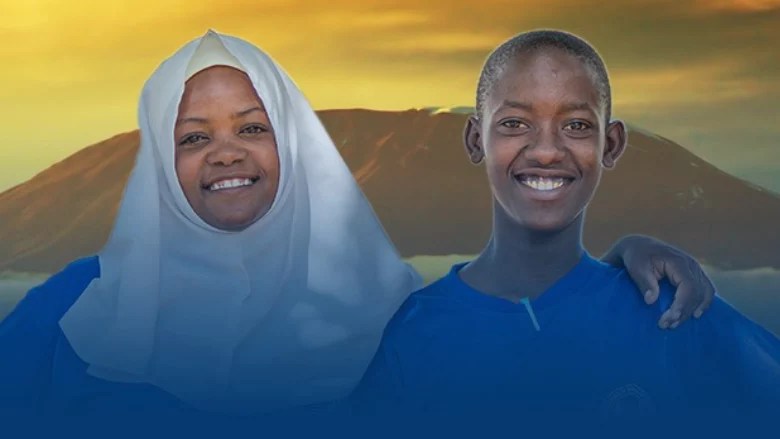
- By 2075, one-third of the world’s population—and of the working-age population—will be African. It is the only region where the workforce will grow continuously in the coming decades.
- This gives Africa an enormous opportunity to drive economic growth and prosperity through investments in education, skills, and health.
- Africa’s Heads of State are gathering at the Africa Human Capital Heads of State Summit to discuss how to accelerate human capital accumulation, leverage the youth bulge, and create jobs to propel economic growth.
Mission to Rewrite World Bank Group Playbook Advances with Banga’s Global Tour
WASHINGTON, June 8, 2023—The World Bank Group announced today a months-long global tour for new president Ajay Banga, an early step in his mission to write a new playbook for the 78-year-old institution.
Between now and December 2023, Banga will visit multiple countries in every region where the World Bank Group operates. During the impact-focused tour, Banga will work to reimagine strategic partnerships with other multilateral banks and development organizations, work to identify barriers for private sector investment, deepen the relationships between the World Bank Group and the countries it serves, and identify opportunities to maximize impact through knowledge, financing, and technical assistance.
Hiding in plain sight: The missing trillions for climate change
In debates about how to finance the growing bill for climate change, many worry where we 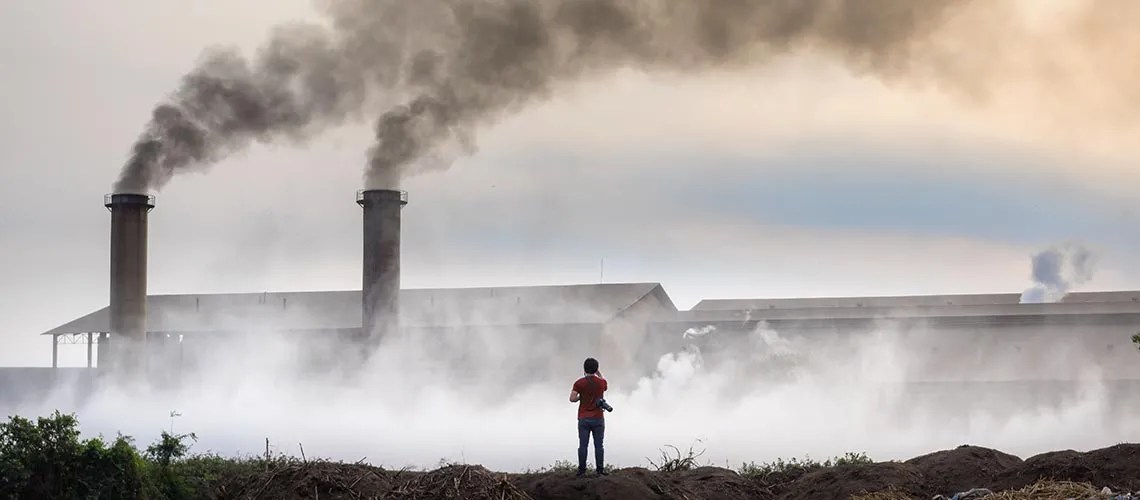 can find the money.
There is reason to worry. As part of the Paris Agreement, the world’s wealthier countries reaffirmed their commitment to mobilize at least $100 billion of climate financing annually to help developing countries to adapt to climate change, invest in renewable energies and achieve low-carbon development. But getting there is a work in progress.
What Counts as Climate? Preliminary Evidence from the World Bank’s Climate Portfolio
|
Dear Reader, |
In Ghana, Sustainable Cocoa-Forest Practices Yield Carbon Credits
STORY HIGHLIGHTS
- Cocoa farmers in Ghana are improving yields and mitigating climate change by adopting climate-smart cocoa practices while curbing deforestation.
- Ghana has earned $4.8 million for reducing nearly 1 million tons of carbon emissions caused by deforestation and forest degradation—with up to $45 million expected by the end of 2024.
- Ghana and other countries are generating high-quality, high-integrity jurisdictional carbon credits to realize their climate goals and gain access to international carbon markets.
The role of ethical leadership in curbing corruption
As much as researchers try to isolate the factors of success in controlling corruption, whether it be at a national scale or that of a particular organization, there is always a residual unexplained element. It may be attributed to culture, systems, or other factors, but one catalytic ingredient is almost always leadership.
We can’t have a world without poverty in a world with plastic pollution
When future generations share the story of plastic pollution, it will include graphic images of 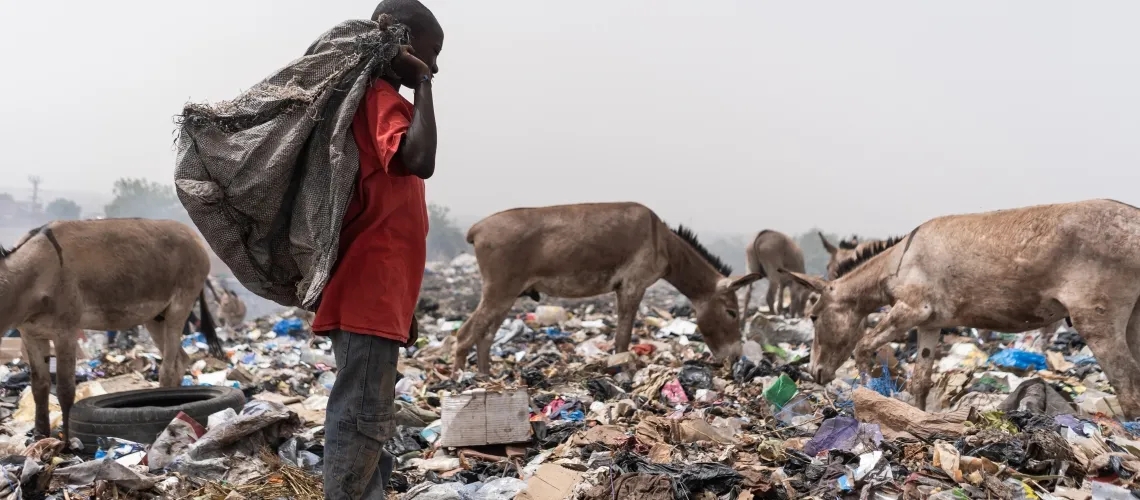 turtles choking on plastic debris, zooming out to show beaches and communities laden with trash, and panning to medical reports showing microplastic in the average person’s bloodstream. This is a story that started as an environmental crisis, and quickly became an economic and health crisis. And it’s a story that intersects with the triple planetary crises we are grappling with today: biodiversity, climate, and pollution. We are on the brink of writing the next important chapter in this story.
Climate Change in Africa
How the private sector is rising to meet the challenges of a global crisis
Across Africa, the private sector is rising to the pressing challenges posed by the 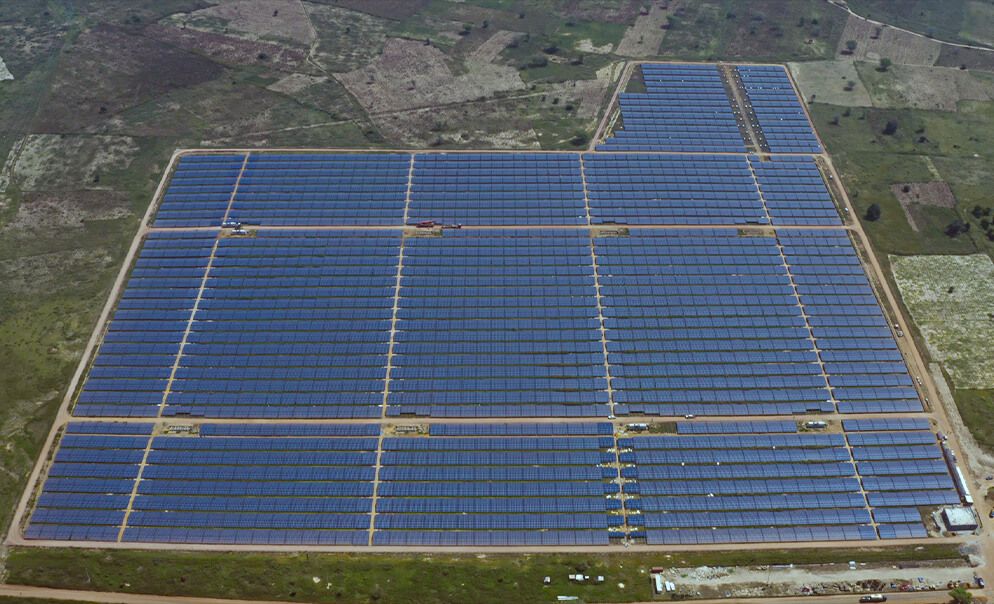 global climate crisis.
From housing and energy to transport and agriculture, businesses on the continent are delivering strategies, technologies, and projects that are reducing the human impact on the environment, while supporting jobs, reducing poverty, and furthering development.


You must be logged in to post a comment.