eC2: Preparation of Flood Hazard and Flood Risk Maps (FHRM) and Flood Risk Management Plans (FRMP)

Deadline: 31-Aug-2020 at 11:59:59 PM (Eastern Time – Washington D.C.)floods

The assignment aims to develop flood hazard and flood risk maps (FHRM) and flood risk management plans (FRMP) for all twelve Units of Management of Romania, i.e. for 11 river basins and for the Danube River, in line with the EU Floods Directive. Furthermore, the assignment also aims to develop a plan for measures that are to be taken nationally.

Continue reading →

Automated transport could propel development forward. Can we turn the vision into reality?

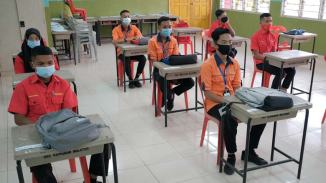
The next few weeks mark the beginning of the school year across the northern hemisphere. Safety of students and teachers vis-à-vis COVID-19 spread is top priority. Learn how countries are planning for the reopening of schools. This is what they had to say.

Violence amid the pandemic: The COVID-19 pandemic has put a spotlight on some of the biggest cracks in societies worldwide. While many governments are still grappling with surging cases, violence is fueling the crisis in some of the world’s most fragile environments.

Killer # 2: Millions of women and children may die or endure lifelong health impacts because of disruptions to essential health services and the reluctance by patients to seek care for fear of COVID-19 infection. A recent analysis examined the effects of service disruptions. The results are overwhelming.

Power of digital ID: As countries focus on “building back better” after the pandemic, they have a crucial opportunity to leapfrog to a more digital economy – and to do so responsibly. Whichever model they choose, governments can transform the lives of people everywhere by building digital ID systems designed to maximize privacy, inclusion, and trust.

Go deeper: Learn how the World Bank Group is responding to the COVID-19 (coronavirus) pandemic. Explore our multilingual portal. Click, bookmark and come back for updates.

Facebook

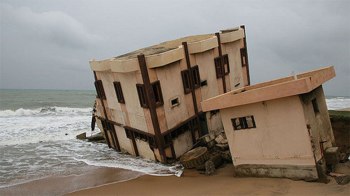
eC2: Guyana- Improving Urban Resilience of Coastal Cities in the Caribbean through Resilient Infrastructure and Urban Planning

Deadline: 31-Aug-2020 at 11:59:59 PM (Eastern Time – Washington D.C.) blog-in-benin-can-resilient-investment-solutions-save-a-battered-coast-780x439

The consultancy primary objective is to provide professional expertise to develop a comprehensive urban resilience plan for the select coastal cities in Guyana, which aims to,
1.Study approaches for improving urban infrastructure planning to achieve resilience goals in coastal cities for the sustainable concurrence of the urban space with natural environment;
2.Help urban practitioners better understand the integration of green with existing grey infrastructure and contextually inform citiesplanning strategies; and
3.Forge an urban vision to identify infrastructure need and investment opportunities for the cities in the selected coastal areas.
Scope of Work
As part of the EU-GFDRR/WB Regional Resilience Program for LAC, the project will focus on carrying out diagnostic work related to urban resilience in selected coastal cities in Guyana. The main objective is to develop an integrated vision for building resilience and sustainability into infrastructure.

Continue reading →

eC2: Grenada – Improving Urban Resilience of Coastal Cities in the Caribbean through Resilient Infrastructure and Urban Planning

Deadline: 31-Aug-2020 at 11:59:59 PM (Eastern Time – Washington D.C.) water-pollution-cartoon

The consultancy objective is to provide professional expertise to develop a comprehensive urban resilience plan for the select coastal cities in Grenada which aims to,
1.Study approaches for improving urban infrastructure planning to achieve resilience goals in coastal cities for the sustainable concurrence of the urban space with natural environment;
2.Help urban practitioners better understand the integration of green with existing grey infrastructure and contextually inform cities planning strategies; and
3.Forge an urban vision to identify infrastructure need and investment opportunities for the cities in the selected coastal areas.
Scope of Work
As part of the EU-GFDRR/WB Regional Resilience Program for LAC, the project will focus on carrying out diagnostic work related to urban resilience in selected coastal cities for Grenada. The main objective is to develop an integrated vision for building resilience and sustainability into infrastructure.

Continue reading →

Water for peace: preventing conflict related to water and wetlands

Water can be a key trigger of conflict among communities or between citizens and the waterstate. This is happening all over the world: from Iraq to Guatemala and from Mali to Lebanon. Preventing water-related conflicts can save lives and is good for the economy. The Water, Peace and Security (WPS) partnership and the Geneva Water Hub show how water-related conflict prevention looks in practice, and how to measure the success of such programs. Clarity about programming and measuring impact are needed to unlock more investment in conflict prevention and to do so efficiently and effectively. 

Continue reading →

Automated transport could propel development forward. Can we turn the vision into reality?

The transport sector has always unleashed the creativity of engineers, inventors, and uae-dubai metro-laborant-shutterstockproblem solvers of all kinds. But even the greatest innovations don’t always come to life. After the early excitement of the public and investors, the vast majority (70% to 97%) of new ideas do not survive the “trough of disillusionment,” and only a lucky few end up being widely adopted.

Continue reading →

Djibouti’s Data Collection Efforts: How Information Helps Tackle Poverty

Four years ago, the Government of Djibouti launched Vision 2035, a target to improve Djibouti-farmersliving standards for the country’s people over the next two decades. A country in the Horn of Africa, Djibouti has a rocky, arid landscape that has driven the vast majority of people to cities. More than 35 percent of the country lives in poverty, and about 21 percent in extreme poverty, including nomadic Djiboutians and others who live in extreme rural poverty.

Continue reading →

Calling all innovators with sustainable cooling solutions!

IFC’s award-winning match-making program, TechEmerge, has launched its new unnamedSustainable Cooling program in Latin America (Mexico, Colombia) to drive innovation in climate-smart, energy-efficient cooling technologies, products, and services, where it’s needed most. Phase one focuses on Latin American cities, specifically those in Mexico and Colombia, and will match innovators from across the world with leading local companies and municipalities to pilot projects and build commercial partnerships. Click here to respond to our open call. Applications close September 18, 2020.

APPLY NOW

Join the Webinar

Learn about the benefits of joining the Tech Emerge Sustainable Cooling program in Latin America (Mexico, Colombia), how to apply to our open call, our match-making process, market opportunities, pilot funding, and the valuable support participants receive from our panel of respected industry advisors. We have two timeslots designed to make it easy for you to participate, no matter where you are located.

unname

August 18, 2020
11:00 AM -12:30 PM EST
Virtual – Webex

August 19, 2020
9:00 PM -10:30 PM EST
Virtual – Webex

Young people’s resilience is the boost we need right now

During this pandemic, the remarkable creativity and innovation of youth-led initiatives in sectors like health, jobs, and food security prove that young people are critical in driving forward ideas and actions on global issues. We launched an online campaign to provide a platform for youth to share their stories on hope and resilience. This is what they had to say.

Continue reading →

Calling all innovators with sustainable cooling solutions!

IFC’s award-winning match-making program, TechEmerge, has launched its new unnamedSustainable Cooling program in Latin America (Mexico, Colombia) to drive innovation in climate-smart, energy-efficient cooling technologies, products, and services, where it’s needed most. Phase one focuses on Latin American cities, specifically those in Mexico and Colombia, and will match innovators from across the world with leading local companies and municipalities to pilot projects and build commercial partnerships. Click here to respond to our open call. Applications close September 18, 2020.

APPLY NOW

Join the Webinar

Learn about the benefits of joining the Tech Emerge Sustainable Cooling program in Latin America (Mexico, Colombia), how to apply to our open call, our match-making process, market opportunities, pilot funding, and the valuable support participants receive from our panel of respected industry advisors. We have two timeslots designed to make it easy for you to participate, no matter where you are located.

unname

August 18, 2020
11:00 AM -12:30 PM EST
Virtual – Webex

August 19, 2020
9:00 PM -10:30 PM EST
Virtual – Webex