
Paris, 12 December, 2017 – At the One Planet Summit convened by President Emmanuel Macron of France, United Nations Secretary General Antonio Guterres, and World Bank Group President Jim Yong Kim, the World Bank Group made a number of new announcements in line with its ongoing support to developing countries for the effective implementation of the Paris Agreement’s goals.


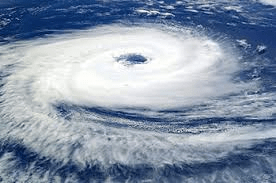 recorded in the Southern Hemisphere, impacting 62% of the Fiji population and caused F$2 Billion in damage (20% of GDP). It killed 44 people, injured hundreds and left 131,000 people homeless. The Category 5 storm first made landfall in Ra, leaving its communities completely devastated. Cyclone Winston was an example of new enemies facing communities. Enemies that are linked to climate change.
 milestone. But the deal is far from done. Getting from commercial close to financial close involves satisfying a long list of PPP contract Conditions Precedent, the terms, and conditions of lenders, among other requirements. The process is tricky and involves a lot of heavy lifting, particularly in emerging markets where the market for PPPs and supporting institutional structures may not yet be robust. None of this is news.


 The Project aims to identify, mitigate, and manage risks from disasters and climate change impacts that disrupt national industries, domestic and international value chains, undermine competitiveness and reduce economic derived from industries through a focus on business continuity planning and upgrading of critical industrial infrastructure. The results from this knowledge project will fill a critical gap in knowledge related to industrial resilience and provide the World Bank Group with a clear entry point on providing solutions for client governments.
 For this end the activity will assess the economic impacts associated with the potential disruption of core road network assets in terms of infrastructure related loss and the loss of functional connectivity as a function of time among other dimensions. It will overall advance the analytical knowledge to better inform and define possible measures and strategies to improve the Western Balkans Regions Action Plan for Facilitating Trade and Transport against adverse natural events.
 Netherlands for the World Bank
You must be logged in to post a comment.