
Tag Archives: World Bank Group
Unlocking the potential of the seaweed sector for sustainable growth
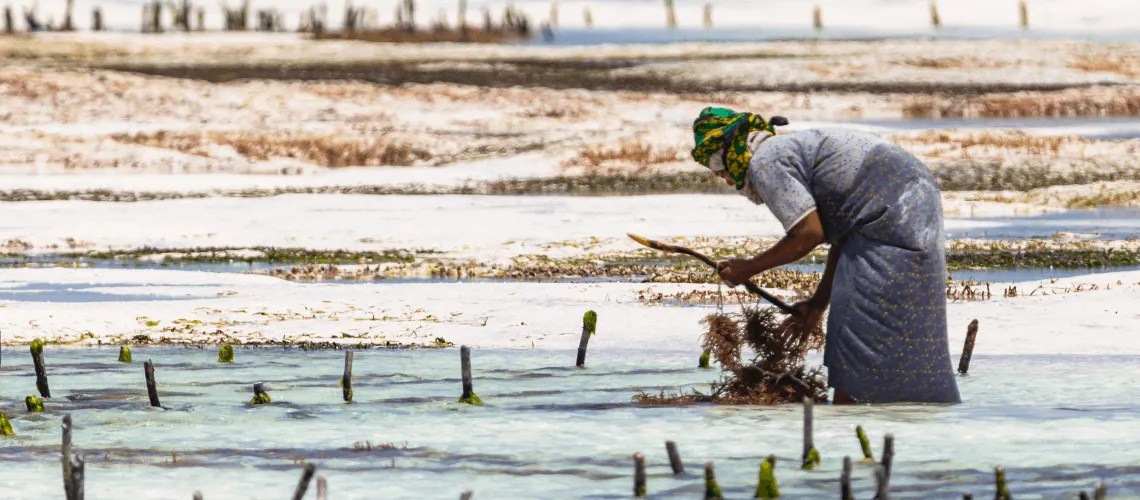 spurring economic growth and providing opportunities for greater social equality.
 Take seaweed, for instance.
For centuries, brown, green, and red algae growing naturally in salty coastal waters or strewn along shorelines has been gathered for consumption and sale –mostly by women – to support the nutritional and economic needs of rural families and communities. In more recent times, women have also dominated aquaculture production of seaweed.
Sowing the seeds of change to solve the water crisis
Image
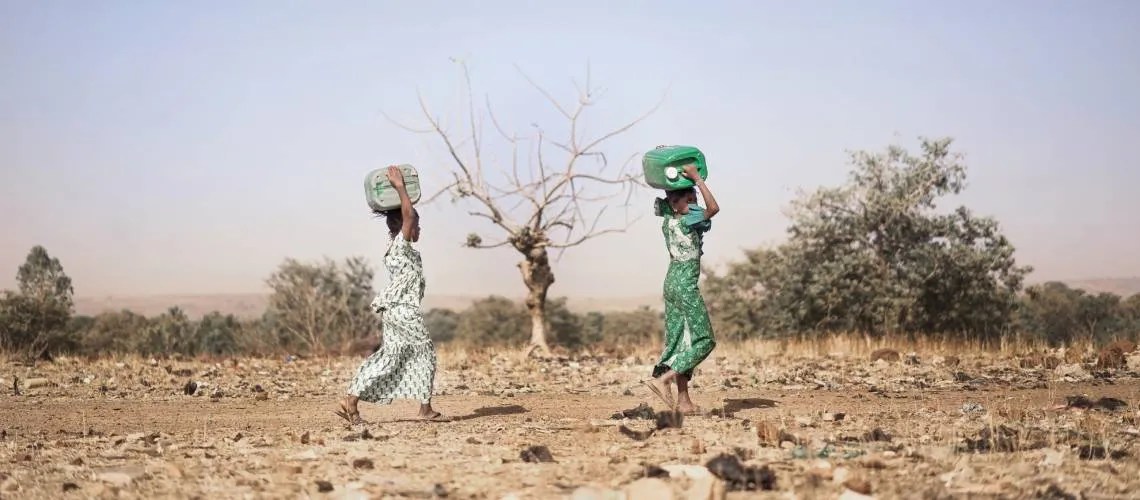
Solving the water crisis is central to our future on a livable planet. Whether it is too much, too little, or too polluted water, this triple threat, exacerbated by climate change, denies billions of people reliable access to safe water and sanitation. It threatens economies, fuels migration, and can ignite conflict. We need global action to establish water security for green, resilient, and inclusive growth, and to tackle the water-climate-conflict nexus.
Continue readingWBG Procurement Opportunities
Interested in Doing Business with the World Bank Group? Please see selected opportunities below.
Procurement Framework and Regulations for Projects After July 1, 2016 (worldbank.org)
Realizing a Brighter Future for a Young, Energized, and Connected Africa
“We need the means for our dreams to come true.” –Hafsat Abdullahi, Nigerian poet
Dar es Salaam, Tanzania recently bustled with immense energy and optimism. The ambitions and aspirations of young people were matched with commitments by African leaders to take action and invest in people toward a brighter future.
Strengthening Collaboration to Maximize Development Impact
Image

Join World Bank President Ajay Banga and Interamerican Development Bank (IDB) President Ilan Goldfajn for an insightful discussion about strategic and collaborative approaches in a world faced with complex challenges.
Strengthening Collaboration to Maximize Development Impact
Thursday, August 31
10:00-10:30 am EDT (local time)
A Pathway to Decarbonization: Green Hydrogen in Chile | World Bank Expert Answers
Image
WBG Procurement Opportunities
Interested in Doing Business with the World Bank Group? Please see selected opportunities below.
Procurement Framework and Regulations for Projects After July 1, 2016 (worldbank.org)
The International Development Association: the World Bank Group’s Fund for the Poorest Countries
Global Food Crisis Finding Solutions with the Global Food and Nutrition Security Dashboard


You must be logged in to post a comment.