Today, over 2 billion people live in lagging and violent lands with the processes of
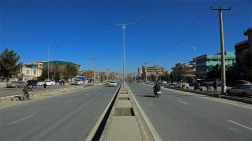
economic isolation and violence closely linked. In Africa, close to 600 million people live within 90 minutes of violence. The issue of “lagging lands, violent lands” was examined at a World Bank seminar on April 22. The session focused on identifying options for stimulating sustainable and inclusive economic growth in lagging lands and urban spaces to bridge economic and social divisions and mitigate conflict and human vulnerability. An integrated policy framework combining the main thrusts of the World Development Report (WDR) 2009 on Reshaping Economic Geography and the WDR 2011 on Conflict, Security, and Development was at the core of diagnosing challenges and identifying solutions.
Tag Archives: Wereldbank Groep
Competitiveness Boost Urgently Needed to Meet Africa’s Demographic Challenges
DURBAN, South Africa, May 4, 2017—Without urgent action to address stagnating
levels of competitiveness, Africa’s economies will not create enough jobs for the young people entering the job market, according to a report released today. If current policies remain unchanged, fewer than one-quarter of the 450 million new jobs needed in Africa in the next 20 years will be created.
Moving Away from Humanitarian Appeals to Managing Droughts in Ethiopia
STORY HIGHLIGHTS
- The World Bank has approved another $100 million for a program in Ethiopia that focuses on long-term practical measures to prevent famine.
- Despite these measures, this year’s widespread drought in the Horn of Africa has badly affected Afar and Somali pastoralists in eastern Ethiopia.
- Ethiopia routinely supports people during prolonged droughts like this one, but has issued an appeal for international aid this year.
eC2:Formative research. Social and behavioral change communication to promote improved water, sanitation and hygiene behaviors in rural Cambodia
Deadline: 25-May-2017 at 11:59:59 PM (Eastern Time – Washington D.C.) 
The objective of the assignment is to assist the MRD and key stakeholders in the rural WASH sector to develop a SBCC package to promote improved WASH behaviors. This requires completion of the following tasks:
1) conduct rapid, qualitative research on handwashing with soap (HWWS);
2) develop an overarching umbrella brand to be used for all future WASH campaigns including branding guidelines;
3) develop a behavior-specific campaign to promote latrine adoption and HWWS among rural Cambodians that includes training manuals, activity guidelines and outreach tools (both print and audiovisual);
4) conduct training to government staff on how to use and train others in the use of the tools;
5) conduct launch event of campaign materials.
eC2: Support to Reforms and Governance in the Health Sector in Ukraine Consulting services: Independent Anticorruption Capacity Development and Monitoring for the SPIH project
Deadline: 12-May-2017 at 11:59:59 PM (Eastern Time – Washington D.C.) ![medical-appointment-doctor-healthcare-clinic-health-hospital-medicine[7]](https://nl4worldbank.org/wp-content/uploads/2015/09/medical-appointment-doctor-healthcare-clinic-health-hospital-medicine7.jpg?w=274&h=183)
Independent Anticorruption Capacity Development and Monitoring for the SPIH project
The preference will be given to local NGOs or consortiums of NGOs and non-for-profit organizations, but participation from other types of organizations is not limited.
NEW World Bank Website
World Bank Group Launches New Program to Support Africa’s Top Digital Entrepreneurs
WASHINGTON, April 25, 2017 — The World Bank Group launched XL Africa, a five-month business acceleration program designed to support the 20 most promising digital start-ups from Sub-Saharan Africa. Start-ups will receive mentoring from global and local experts, learn through a tailor-made curriculum, increase their regional visibility, and get access to potential corporate partners and investors. With support from prominent African investment groups, XL Africa will help the 20 selected start-ups attract early stage capital between $250,000 and $1.5 million.
eC2:Disaster Risk Reduction Practice Research and Capacity Building Support to SADC
Deadline: 16-May-2017 at 11:59:59 PM (Eastern Time – Washington D.C.) 
The SADC Disaster Risk Reduction Strategic Plan lays out the following key activities: To strengthen governance, legal and institutional framework at all levels of DRR in the region. Facilitate the identification, assessment and monitoring of disaster risks and support the enhancement of early warning systems at all levels. Promote the usage and management of information and knowledge, innovation and education to build a culture of safety and resilience at all levels in the SADC region; Ensure that DRR becomes a national and local priority with a strong institutional basis for implementation; and The integration of preparedness and emergency response into national and regional DRR interventions.
eC2: 2017 GAFSP Program Evaluation
Deadline: 16-May-2017 at 11:59:59 PM (Eastern Time – Washington D.C.) 
The principal purpose of the evaluation is to assess the extent to which GAFSP is achieving its key objective of improving the income and food security of poor people in developing countries. The evaluation should look into the overall impact of the Program, and the impacts of the Public Sector and Private Sector Windows respectively, including the Missing Middle Initiative, addressing overall operational and development effectiveness. the Programs performance should be evaluated against criteria including relevance, efficiency, impact, sustainability, additionality, and operational effectiveness/accountability of the Program and the related indicators.
Three Roles Cities Play in Building a Sustainable Future
- The global productivity slowdown, increasing climate and disaster risks, among other factors, have brought unprecedented challenges to poverty reduction and economic growth.
- Amid rising uncertainties, cities can provide renewed sources of growth to help improve livelihoods, drive growth, and build a sustainable future for all.
- The World Bank is working with countries worldwide to ensure that cities and metropolitan regions excel in the three critical roles they play—matchmakers, drivers, and anchors—for people and businesses alike.

You must be logged in to post a comment.