
MANILA, July 15, 2025 – Strategic reforms that enhance foundational investments in connectivity and human capital, promote smarter regulations and competition, and mobilize private investments for stronger job creation could propel the Philippines closer to a 7-percent growth trajectory, transforming it into a middle-class society by 2040.
Continue readingTag Archives: RVO
The world needs radical debt transparency

Over the past two decades, many developing countries have made remarkable progress in reducing poverty, expanding access to education and health care, and investing in infrastructure. These gains were the result of sound national policies and coordinated efforts by the international community, often financed through responsible borrowing.
Continue readingPower More With Less: Scaling Up Energy Efficiency for Growth and Energy Security
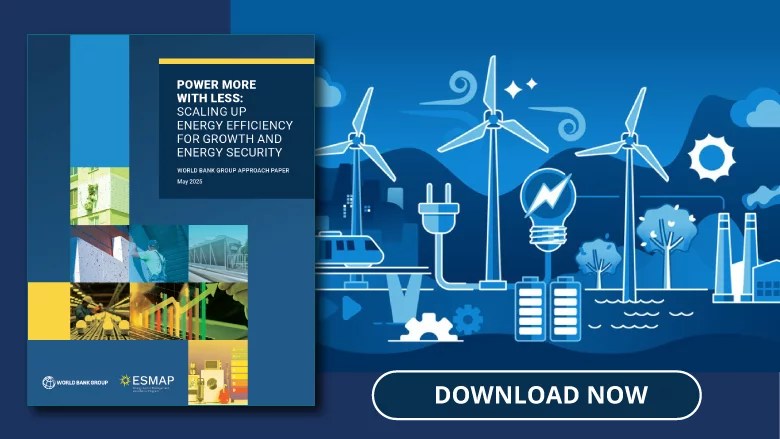
Energy efficiency is a transformative, low-cost solution that can fast-track access to affordable and secure energy and boost economic growth. Amid soaring power demand, driven in part by air conditioners, heavy industry, and, increasingly, data centers needed to power artificial intelligence, energy efficiency can help countries avoid overspending on new energy infrastructure, importing fuels, and taking on more debt for their energy sectors.
Continue readingBetter Jobs: Evidence from the Life in Transition Survey

Jobs are the surest path out of poverty, but not all jobs are the same. “Good jobs” provide not only income but also stability, security, and benefits that enhance well-being and strengthen communities.
These distinctions became evident in the latest Life in Transition Survey (LiTS) conducted by the European Bank for Reconstruction and Development (EBRD) in collaboration with the World Bank. More than half (54%) of respondents identified sufficient income as the most important characteristic of a good job, followed by job stability (23%), good working conditions (11%), and benefits (5%). Yet these features are often missing in the widespread informal employment found across Europe and Central Asia (ECA), and the Middle East and North Africa (MENA).
Continue readingState and Trends of Carbon Pricing 2025
The World Bank’s annual State and Trends of Carbon Pricing report is aimed at providing an up-to-date overview of existing and emerging carbon pricing instruments around the world, including international, national, and subnational initiatives. It focuses on identifying key developments relating to all forms of direct carbon pricing – emissions trading systems, carbon taxes, and carbon crediting mechanisms. This year’s report will be the twelfth (in its current format) – building on many decades of World Bank Group’s work in this space.
Beyond the numbers: Key trends reshaping Latin American jobs

Jobs are the main driver of poverty reduction. They help build more resilient and self-sufficient societies, reduce the need for humanitarian aid, and address the root causes of unrest and migration. Jobs were the key to fighting poverty in Latin America during its last period of sustained poverty reduction (2009-2014): strong employment creation and wage growth drove two-thirds of the decrease in poverty rates. After this prosperous timeframe, both poverty and labor market conditions have remained largely stagnant across the region (COVID-19 aside).
Continue readingSeizing the Moment: Four Priorities to Unlock Job Creation in South Africa
Originally published in South Africa’s Sunday Times

Governments do not create many jobs—globally, they employ about 10%, and in South Africa only 6-8%, of the workforce. Instead, governments’ role is to create an environment where the private sector can drive employment. However, it is fair to say that South Africa has struggled to create such an environment over the past 15 years, with limited economic growth and job opportunities for its expanding labor force. With unemployment over 30% (excluding discouraged work seekers) and two-thirds of young workers jobless, improving conditions for private sector growth is more urgent than ever. These challenges have kept poverty and inequality entrenched, with nearly 39 million people surviving on less than R127 a day, equivalent to the $6.85 poverty line for upper-middle income countries.
Continue readingFurther strengthening how we measure global poverty
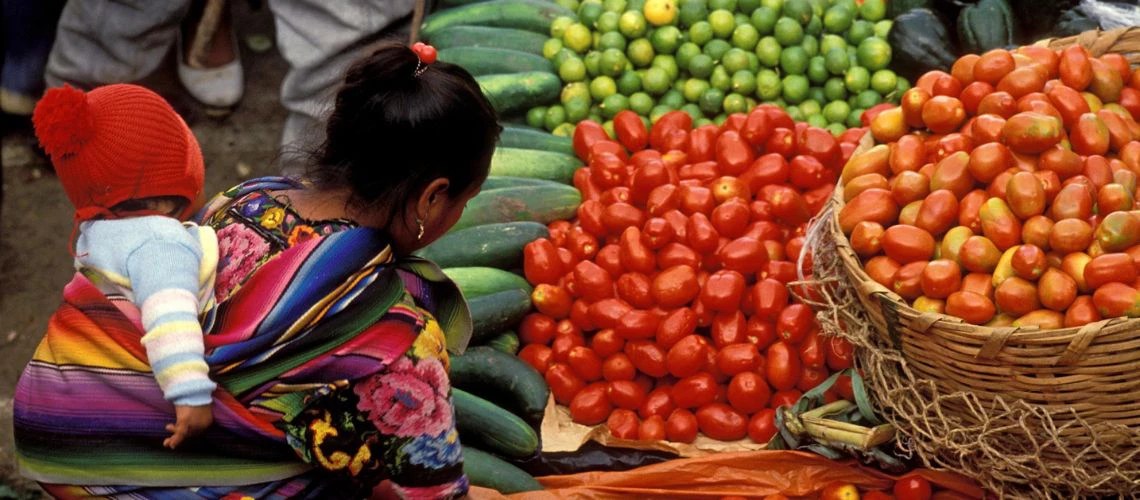
For 35 years, the World Bank Group has measured global poverty to track progress toward eradicating what is considered the most severe deprivation of basic human needs—extreme poverty. This goal is at the very heart of our organization’s mission.
Continue readingPoised to thrive: Empowering women with skills and jobs in South Asia

Sangay Choden, in her own words, displayed much Tha Dhantse—a Bhutanese concept of having the courage to do the right thing with integrity and loyalty. Choden was the first female science graduate in her family and now handles complex power projects with ease as the manager with the Bhutan Power Corporation Limited. She has climbed mountains, both literally and metaphorically, she says.
Continue readingHow the World Bank is tackling the growing global waste crisis

Every year, the world produces over two billion tonnes of municipal waste, a figure expected to rise by 73 percent to nearly four billion tonnes by 2050. Managing this surge will be a major investment and policy challenge for cities in low- and middle-income countries.
Continue reading Netherlands for the World Bank
You must be logged in to post a comment.