
WASHINGTON, November 28, 2025 – On November 24, 2025, the World Bank released US$500 million to support the Philippine Government’s recovery and reconstruction efforts in areas battered by Typhoon Kalmaegi (locally known as “Tino”).
Continue readingTag Archives: Philippines
Reforms to Boost Job Creation Could Help Transform the Philippines into a Middle-Class Society by 2040
MANILA, July 15, 2025 – Strategic reforms that enhance foundational investments in connectivity and human capital, promote smarter regulations and competition, and mobilize private investments for stronger job creation could propel the Philippines closer to a 7-percent growth trajectory, transforming it into a middle-class society by 2040.
Continue readingHow the World Bank Delivered COVID Vaccines in East Asia and the Pacific
STORY HIGHLIGHTS
- The World Bank has provided US$1.44 billion to support the purchase and distribution of COVID-19 vaccines, tests, and treatments in the East Asia and the Pacific (EAP) region, especially for the poor and vulnerable.
- Strong partnerships and flexible financing approaches have helped countries ramp up their vaccination programs while investing in health, education, and social protection to ensure a more resilient future.
- Based on the current pace of vaccination and availability of vaccines to EAP countries, most will achieve at least 70% coverage by mid-2022.
Unlocking Private Investment in Climate Adaptation and Resilience
STORY HIGHLIGHTS
- A new joint report by the World Bank and IFC offers a blueprint for action for
 governments to catalyze private investment in climate adaptation and resilience.
- The blueprint for action lays out a systematic approach to incentivize adaptation financing from the private sector and meet countries’ fast-growing financing needs to achieve climate resilience.
- The approach will be tested in several pilot countries as part of the World Bank Group’s support towards enabling private investment in adaptation.
eC2: Offshore Wind Roadmap for the Philippines
Deadline: 11-Jan-2021 at 11:59:59 PM (Eastern Time – Washington D.C.)
A study to provide strategic analysis on the role that offshore wind could play in meeting future power demand and presents different options of industry development pathways for future activities in the Philippines.
eC2: Accelerating Climate Investments in the Philippines
Deadline: 02-Nov-2020 at 11:59:59 PM (Eastern Time – Washington D.C.) 
The consultant will be an international organization. It will be selected through a competitive selection. This assignment is to develop an approach for prioritizing geographic areas for coastal resilience investments, identify priority geographic areas and investments for coastal protection, and develop cost and benefits analyses (CBAs) for these investments.
eC2: Support Private Sector Participation in LGUs Water Supply and Sanitation Systems
Deadline: 28-Sep-2020 at 11:59:59 PM (Eastern Time – Washington D.C.) 
The objective of the assignment is to undertake the following: (i) support the province in preparation for the DBO/DBL through capacity building and perform collaborative activities with national government agencies through NEDA to ensure that WSS subprojects are in sync and within the implementation reforms that will be instituted under the currently approved PWSSMP, specifically the achievement on the KPIs and proper operationalization of the Unified Resource Allocation Framework (URAF); (ii) strengthen technical and economic analysis of the projects; (iii) assist in the market survey to ensure robust interests of the private sector; and (iv) support the preparation of an O&M plan .
eC2: Study on Understanding Participation of Young Farmer-Entrepreneurs in Agri-Businesses in Mindanao
Deadline: 05-Nov-2018 at 11:59:59 PM (Eastern Time – Washington D.C.) 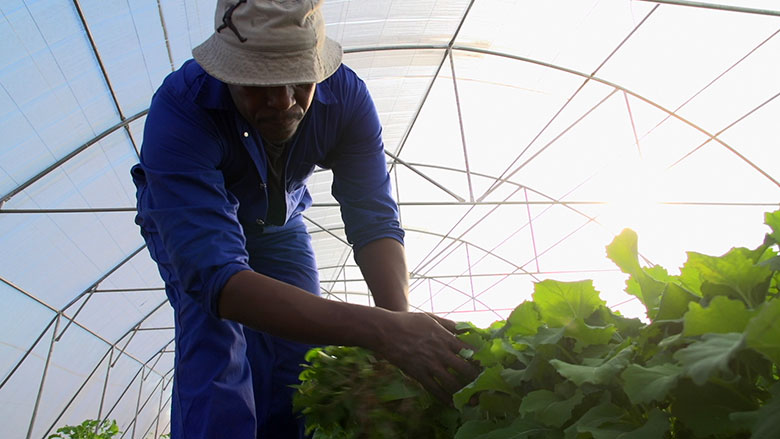
The study aims to further understand what makes younger farmers thrive and engage successfully in agricultural businesses. The study is intended to provide in-depth information on design choices for the proposed Mindanao Inclusive Agriculture Development Project in terms of supporting an enabling environment for young farmers sustained participation in agriculture businesses.
eC2: Mainstreaming Disaster Risk Management to Sustain Local Infrastructure
 Deadline: 09-Jul-2018 at 11:59:59 PM (Eastern Time – Washington D.C.)
The objective of the technical assistance (TA) is to increase the capacity and knowledge of a selected LGU (1 province) in dealing with climate/disaster risks faced by local transport infrastructure and pilot an institutionalized coordination process with the national agencies to better inform local roads planning, using a learning-by-doing approach. Based on this activity, technical notes/guidelines will be prepared for the ongoing provincial roads program to benefit all participating LGUs. LGUs are the implementing units under the provincial roads program, and hence increasing their technical capacity in dealing with climate resilience for local roads will improve the performance and development impact of the provincial roads program.
eC2: Mainstreaming Disaster Risk Management to Sustain Local Infrastructure- A Case Study on Resilient Roads Planning.
Deadline: 05-Apr-2018 at 11:59:59 PM (Eastern Time – Washington D.C.) 
Objective: The objective of this technical assistance (TA) is to increase the capacity and knowledge of selected LGU/s in dealing with climate/disaster risks faced by local transport infrastructure and pilot an institutionalized coordination process with the national agencies to better inform local roads planning, using a learning-by-doing approach. The activity will revolve around three important areas: (a) high-resolution risk mapping based on existing hazard information; (b) a prioritization of corrective investments, including primarily those for roads improvement and flood management, based on life cycle approach; and (c) planning, design standards and asset management frameworks especially for local roads are reevaluated in light of future climate and natural hazard risks. The firm has to demonstrate experience working on previous assignments in the Philippines. Because of the capacity building component and learning by doing approach, international firms are encouraged to tap a local entity for this purpose such as a local firm, university, research/think tank group, NGO, or individual. The TA site is still to be agreed with government.
 Netherlands for the World Bank
You must be logged in to post a comment.